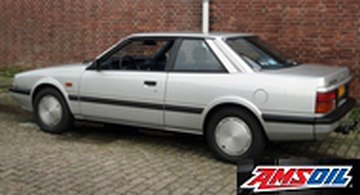
Engine Oil Maintenance for the 1983 Mazda 626 2.0L
Maintaining proper lubrication is one of the most critical aspects of vehicle longevity. For owners of a 1983 Mazda 626 with the 2.0L engine, understanding how to manage engine oil and recognizing when service is required helps ensure the internal components remain protected from friction and heat.
When should I change the oil in my 1983 Mazda 626 2.0L?
To determine the correct interval for an oil change, you should follow the owner's manual or the manufacturer maintenance schedule. Do not rely on estimated mileage or timeframes, as the specific requirements for your vehicle are defined by the original manufacturer documentation.
The Role of Engine Oil in Engine Longevity
Engine oil serves several vital functions within the 2.0L engine. Primarily, it provides a thin film between moving metal parts to reduce friction and prevent premature wear. Beyond lubrication, oil helps to dissipate heat away from high-temperature areas like pistons and cylinder walls. It also assists in cleaning the engine by suspending microscopic contaminants and debris, carrying them toward the oil filter where they can be trapped.
Over time, however, oil begins to break down due to thermal stress and the accumulation of combustion byproducts. As the oil degrades, its ability to maintain a consistent film and manage heat diminishes. This is why adhering to the manufacturer's suggested service intervals is necessary to prevent the buildup of sludge or excessive wear on engine components.
Monitoring Oil Levels Regularly
While following a maintenance schedule is essential, regular manual checks of the oil level are a proactive way to monitor engine health. Checking the oil level allows you to identify potential leaks or unusual consumption patterns before they lead to mechanical issues.
To check the oil, ensure the vehicle is parked on a level surface and the engine is turned off. Use the dipstick provided by the manufacturer to verify that the fluid level falls within the designated operating range. If the level is consistently low between scheduled changes, it may indicate a need for closer inspection of gaskets, seals, or other engine components.
Understanding Oil Viscosity
Viscosity refers to a fluid's resistance to flow. In an internal combustion engine, the viscosity must be appropriate for the clearances within the engine and the operating temperatures the vehicle encounters. If oil is too thin, it may not provide a sufficient protective film; if it is too thick, it may not flow quickly enough to reach critical components during a cold start.
For this specific 1983 Mazda 626 application, 10W-40 is a listed viscosity. Using the correct weight helps ensure that the oil can effectively lubricate the engine across various operating conditions, from initial startup to sustained driving temperatures.
The Importance of Oil Filter Maintenance
An oil change is not complete without addressing the oil filter. The filter is responsible for removing contaminants from the circulating oil. As a filter becomes saturated with particles, its efficiency decreases. In some cases, a heavily loaded filter can restrict oil flow, which may lead to increased wear on engine bearings and other moving parts.
It is standard practice to replace the oil filter every time the engine oil is changed. This ensures that the new oil enters a clean environment, allowing it to perform its cleaning and lubricating functions at maximum efficiency from the moment the engine is started.
Identifying Potential Oil Issues
Observing the physical characteristics of your engine oil can provide clues about the internal state of the engine. While some discoloration is normal due to the presence of combustion byproducts, certain changes should be noted:
- Darkness and Sludge: Extremely dark oil or the presence of thick, gel-like sludge can indicate that service intervals have been exceeded or that the engine is experiencing high levels of contamination.
- Milky Appearance: If the oil appears milky or has a frothy texture, this can be an indication of coolant entering the lubrication system, which requires immediate professional inspection.
- Odor: A strong smell of fuel in the oil may suggest issues with the fuel system or combustion process.
BUYING ENGINE OIL
When you are ready to purchase supplies for your maintenance routine, ensure you select a product that meets the requirements for your vehicle. For this 1983 Mazda 626 2.0L, look for oil that matches the 10W-40 viscosity listed in your technical documentation. Always verify that any oil or filter you purchase is intended for use in your specific engine application to ensure proper performance and protection.