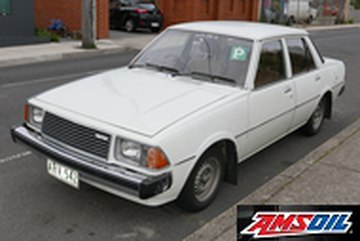
Maintaining Lubrication Integrity for the 1980 Mazda 626 2.0L
Proper engine maintenance is a cornerstone of vehicle longevity, particularly when managing an engine that has been in operation for several decades. For the 1980 Mazda 626 equipped with the 2.0L (1970cc) engine, consistent attention to lubrication and fluid health is essential for maintaining mechanical efficiency and preventing unnecessary wear.Monitoring Fluid Condition and Potential Leakage
A proactive approach to maintenance involves regular visual inspections of the engine bay and the ground beneath the vehicle. For an older 2.0L engine, observing the condition of various seals and gaskets can provide early indicators of where attention might be needed. Rather than assuming a specific component is failing, owners should look for any signs of seepage or active fluid loss. When performing routine checks, it is useful to inspect:- The area surrounding the engine block for any evidence of oily residue or weeping.
- The condition of various hoses and connections to ensure they remain pliable and secure.
- Any accumulation of fluid in the drain areas that might suggest a slow leak from an upper component.
Prioritizing Maintenance Based on Current Condition
As vehicles age, the most effective way to manage upkeep is to move away from rigid, age-based schedules and toward condition-based monitoring. For the 1980 Mazda 626, this means evaluating the actual state of the engine and its components rather than simply following a generic timeline. If you are taking over ownership of this vehicle without a complete service history, establishing a maintenance baseline is a logical first step. This involves documenting the current state of all fluids, checking for any existing leaks, and verifying the condition of age-sensitive parts like belts (if equipped) or electrical connections. Once a baseline is established, you can more easily identify when a component has deviated from its normal operating state. When deciding where to focus your efforts, address active concerns first—such as visible seepage or unusual mechanical noises—before moving on to purely preventive measures. This ensures that the most immediate risks to engine health are managed effectively.The Role of Lubrication in Engine Health
Engine oil performs several vital roles that go beyond simple lubrication. It acts as a medium for heat management, helping to carry thermal energy away from high-friction areas within the engine. Furthermore, modern lubricants are designed with additives that assist in deposit control, helping to prevent the buildup of sludge and other contaminants that can accumulate over long periods of operation. Maintaining clean and fresh lubricant is critical because as oil ages, its ability to resist oxidation and maintain its structural integrity decreases. By ensuring the lubricant is changed according to a consistent schedule, you help protect the internal components from the abrasive effects of contaminants and ensure the engine continues to operate with minimal friction.Managing Long-Term Ownership and Records
For those committed to the long-term care of a 1980 Mazda 626, keeping detailed service records is one of the most practical steps you can take. A well-maintained logbook serves as more than just a history of past repairs; it becomes a diagnostic tool. By tracking when oil was changed, which filters were used, and when specific inspections were performed, you can identify patterns that might otherwise go unnoticed. Consistent record-keeping allows you to:- Distinguish between normal aging and sudden mechanical changes.
- Verify the consistency of maintenance performed by previous owners.
- Make informed decisions about whether a component requires immediate replacement or if it can continue to be monitored.
Observing Potential Warning Signs
While many maintenance needs are identified through scheduled inspections, some require a keen ear and eye during daily operation. For the 2.0L engine in this Mazda, being attentive to how the vehicle behaves can prevent minor issues from escalating. Changes in the appearance or consistency of the oil on the dipstick can be telling. If the lubricant appears excessively dark or contains visible particulates, it may indicate that the oil is heavily contaminated or that service is overdue. Additionally, any sudden changes in engine noise—such as increased tapping or knocking—should be investigated immediately, as these can be associated with changes in lubrication effectiveness or mechanical wear. It is also important to monitor for any evidence of overheating. If the vehicle's temperature readings fluctuate unexpectedly, it may indicate an issue within the cooling system or a potential problem with how the engine is managing thermal loads. Always treat new or unusual symptoms as a prompt for a thorough inspection rather than attempting to diagnose the specific cause through guesswork.Practical Advice for Buying Engine Oil for your 1980 Mazda 626 2.0L
When it is time to replenish your engine's lubricant, the most important step is to ensure that the product you select matches the specific requirements of your vehicle. Rather than relying on general automotive trends or assumptions based on the age of the car, always refer to the application-specific information provided on this page. To make an informed purchase, consider the following:- Match the Viscosity: Use the exact vehicle-specific oil viscosity listed in the application information on this page. Do not substitute different grades based on perceived climate or engine age unless specifically directed by the technical data provided here.
- Check the Label: Before completing your purchase, verify that the product labeling aligns with the specifications required for your 1970cc engine.
- Consider Formulations: Depending on your specific needs and the current condition of your engine, you may choose between conventional, synthetic blend, or full synthetic options. Some high-mileage oil formulations also contain additives intended for use in aging engines, including seal-conditioning additives.
- Verify Quality Standards: Ensure the oil meets the appropriate API certifications to guarantee it provides the necessary level of protection and deposit control.