

Authorized AMSOIL Dealer
Joseph Feghali
Miami, FL

1982 Mazda 626 2.0L Oil Type and Capacity

Free Vehicle Maintenance App

For cars, trucks, ATVs & more

Track oil changes, save service records, and get maintenance reminders.

Keep your maintenance history handy for your next service.

Your Vehicle's Information

Year:

1982

Make:

Mazda

Model:

626

Engine Size:

2.0L

Engine #:

1970cc

Recommended Synthetic Oil for a 1982 Mazda 626 2.0L

Product Name Product Description Capacities Product
Premium Protection 10W-40 Synthetic Motor Oil Protect your vehicle with the world's best synthetic oil for your 626! With filter 3.8 quarts After refill check oil level. AMOQT-EA
Premium Protection 10W-40 Synthetic Motor Oil AMOQT-EA
Add To Cart
Add To Cart
XL 10W-40 Synthetic Motor Oil Protect your 626 now with Amsoil products! Made in USA! With filter 3.8 quarts After refill check oil level. XLOQT-EA
XL 10W-40 Synthetic Motor Oil XLOQT-EA
Add To Cart
Add To Cart

Recommended oil filters for my 1982 626

Product Name Product Description Product
WIX Oil Filter Wix oil filters for your 1982 Mazda 626 have extended OEM recommendations which match the drain intervals of AMSOIL XL synthetic motor oil which is 12k or 1 year, whichever is first. 51356-EA
WIX Oil Filter 51356-EA
Add To Cart
Add To Cart

Recommended transmission fluids for my 1982 626

Product Name Note Capacities Product Description Product
Manual Transmission & Transaxle Gear Lube 75W-90 Manual Transmission Fluid
4-SPD 3 pints
5-SPD 3.6 pints
This synthetic manual transmission and transaxle gear lube is made to protect from friction and keep viscosity for extended component and fluid life. You will get smooth and fast performance from synchronizers and gears. Enjoy quick and smooth shifting. It is made to exceed protection under severe conditions and it blows the doors off of regular fluids which are limited in protection. Protect your 1982 Mazda 626. MTGPK-EA
Manual Transmission & Transaxle Gear Lube 75W-90 MTGPK-EA
Add To Cart
Add To Cart
SEVERE GEAR® 80W-90 Manual Transmission Fluid
4-SPD 3 pints
5-SPD 3.6 pints
This lube is made to exceed the requirements of equipment and all vehicles that require SAE 80W-90 viscosity. It is made with synthetic base oils and top additives without adding any wax. Amsoil Severe Gear is solid against thermal breakdown. Will give you awesome protection for bearings and gears and tough against heat which will help extend the life of your equipment and avoid costly repairs. Made in the U.S.A. AGLPK-EA
SEVERE GEAR® 80W-90 AGLPK-EA
Add To Cart
Add To Cart
SEVERE GEAR® 75W-90 Manual Transmission Fluid
4-SPD 3 pints
5-SPD 3.6 pints
This special formula is made for harsh operating conditions that pick-up trucks endure. Also top-notch protection for SUVs, heavy equipment, and other heavy-duty vehicles. Made in the USA. SVGPK-EA
SEVERE GEAR® 75W-90 SVGPK-EA
Add To Cart
Add To Cart
SEVERE GEAR® 75W-110 Manual Transmission Fluid
4-SPD 3 pints
5-SPD 3.6 pints
This is a fantastic lubricant for towing trailers, heavy duty hauling, off road driving/4x4, commercial applications, and for race enthusiasts. This severe gear lube will protect bearings, gears from friction and exceeds performance of any regular gear oil out there! Keep your truck or vehicle out of the shop and avoid costly repairs with this made in the USA lube. SVTPK-EA
SEVERE GEAR® 75W-110 SVTPK-EA
Add To Cart
Add To Cart
Super Shift® Racing Transmission Fluid SAE 10W Automatic Transmission Fluid
3 speed 3N71B Total Fill 6.6 quarts Super Shift Racing Transmission Fluid resists extreme heat and slippage! Rock n' roll on the track with this awesome transmission fluid! Get this oil for your 1982 Mazda 626 now! ARTQT-EA
Super Shift® Racing Transmission Fluid SAE 10W ARTQT-EA
Add To Cart
Add To Cart

Differential for my Mazda 626

Product Name Note Capacities Product Description Product
SEVERE GEAR® 80W-90 Rear 2.7 pints
This lube is made to exceed the requirements of equipment and all vehicles that require SAE 80W-90 viscosity. It is made with synthetic base oils and top additives without adding any wax. Amsoil Severe Gear is solid against thermal breakdown. Will give you awesome protection for bearings and gears and tough against heat which will help extend the life of your equipment and avoid costly repairs. Made in the U.S.A. AGLPK-EA
SEVERE GEAR® 80W-90 AGLPK-EA
Add To Cart
Add To Cart
SEVERE GEAR® 75W-90 Rear 2.7 pints
This special formula is made for harsh operating conditions that pick-up trucks endure. Also top-notch protection for SUVs, heavy equipment, and other heavy-duty vehicles. Made in the USA. SVGPK-EA
SEVERE GEAR® 75W-90 SVGPK-EA
Add To Cart
Add To Cart
SEVERE GEAR® 75W-110 Rear 2.7 pints
This is a fantastic lubricant for towing trailers, heavy duty hauling, off road driving/4x4, commercial applications, and for race enthusiasts. This severe gear lube will protect bearings, gears from friction and exceeds performance of any regular gear oil out there! Keep your truck or vehicle out of the shop and avoid costly repairs with this made in the USA lube. SVTPK-EA
SEVERE GEAR® 75W-110 SVTPK-EA
Add To Cart
Add To Cart

Recommended coolants for my Mazda 626

Product Name Product Description Capacities Product
Passenger Car & Light Truck Antifreeze & Coolant maximum protection for your 1982 Mazda 626 under extreme temperatures and operating conditions! Lasts up to 150,000 miles or five years! (whichever comes first) ANTPC1G-EA
Passenger Car & Light Truck Antifreeze & Coolant ANTPC1G-EA
Add To Cart
Add To Cart
Low Toxicity Antifreeze and Engine Coolant Lasts in your 1982 Mazda 626 for up to 150,000 miles or five years! (whichever comes first). Biodegradable! ANT1G-EA
Low Toxicity Antifreeze and Engine Coolant ANT1G-EA
Add To Cart
Add To Cart

Maintaining Lubrication Integrity for the 1982 Mazda 626 2.0L

Proper engine maintenance is a cornerstone of long-term vehicle health, particularly for an engine that has been in operation for several decades. For the 1982 Mazda 626 equipped with the 2.0L (1970cc) engine, consistent attention to lubrication and fluid integrity ensures that mechanical components continue to operate within their intended design parameters.

Monitoring Fluid Condition and Potential Seepage

As vehicles age, the materials used in various seals and gaskets may undergo changes in elasticity. For a 1982 model, it is prudent to perform regular visual inspections of the engine area to identify any signs of fluid seepage. Rather than assuming a specific component has failed, an owner should look for evidence of oil residue on the exterior of the engine block or near sealing surfaces. When conducting these inspections, pay close attention to the following:
  • Sealing Surfaces: Check around various junctions where metal meets gasket material for any signs of dampness or active leaks.
  • Drain Areas: Inspect the area around the oil drain plug and the underside of the engine to ensure no fluid is accumulating there.
  • Accumulated Residue: Look for heavy buildup of grime, which can sometimes mask slow, long-term seepage from various gaskets and seals.
Identifying these signs early allows for a more controlled approach to maintenance, helping to distinguish between minor surface weeping and more significant issues that require immediate attention.

Observing Changes in Engine Operation

Maintaining an observant eye on how the vehicle behaves can provide early indicators that the lubrication system requires investigation. It is important to remember that various symptoms can have multiple underlying causes; therefore, a single observation should be treated as a prompt for further inspection rather than a definitive diagnosis. If you notice unusual mechanical noises during operation, it may warrant an investigation into the current state of your engine oil. Similarly, changes in how the engine sounds during startup or while idling can be associated with various lubrication factors. If you observe any unexpected exhaust smoke, this should be investigated to determine if it is related to the engine's internal processes or other external factors. Furthermore, keep a close watch on the vehicle's dashboard indicators. Any warning lights related to oil levels or pressure require immediate investigation to prevent potential mechanical complications.

Prioritizing Maintenance Through Condition-Based Assessment

For an older vehicle like the 1982 Mazda 626, maintenance priorities should be dictated by the actual current condition of the engine and its components rather than strictly by the age of the vehicle. This approach helps avoid unnecessary expenditures on parts that are still functioning correctly while ensuring that critical issues are addressed promptly. If you do not have a complete service history for the 1970cc engine, establishing a maintenance baseline is a practical first step. This involves:
  • Reviewing Available Records: Document any known past repairs or fluid changes to understand the vehicle's recent service life.
  • Assessing Current Needs: If records are incomplete, prioritize inspecting aging materials—such as hoses (if present) and accessible belts (if equipped)—to determine their current state of integrity.
  • Addressing Active Concerns: Always address active leaks, unusual noises, or any observed changes in fluid consumption before moving on to purely preventive tasks.
By focusing on the actual state of the vehicle, you can distinguish between necessary maintenance and unnecessary parts replacement, allowing for more efficient long-term ownership.

The Role of Lubrication in Engine Longevity

Engine oil performs several vital roles that are essential for the continued operation of the 2.0L engine. Beyond simply reducing friction between moving parts, the lubricant plays a significant role in heat management by helping to transfer thermal energy away from high-temperature areas within the engine. Additionally, the oil acts as a medium to carry away microscopic contaminants and debris that may accumulate during the combustion process. Over time, these contaminants can contribute to the formation of deposits or sludge if the oil is not changed according to a proper schedule. Maintaining fresh, clean lubricant helps mitigate the risk of deposit buildup, which is essential for maintaining the internal cleanliness of the engine components.

Managing Aging Components and Systems

When maintaining a vehicle from the early 1980s, it is helpful to consider how various auxiliary systems interact with the engine's overall health. While focusing on oil, owners should also remain aware of other aging materials that could impact the engine environment. For example, if the vehicle is equipped with an air filtration system, ensuring the filter is clean is vital for preventing excessive debris from entering the combustion chamber. Similarly, inspecting the condition of electrical connections and wiring can prevent intermittent issues that might otherwise be misdiagnosed as mechanical failures. If the vehicle features a cooling system, monitoring for any signs of leakage or degradation in hose integrity is a wise preventive measure, as temperature stability is closely linked to how effectively the engine oil performs its duties.

Practical Guidance for Buying Engine Oil for your 1982 Mazda 626 2.0L

When it is time to replenish your lubricant, the most important step is to ensure that the product you select matches the specific requirements of your application. Because different engines have unique needs based on their design and age, you should never rely on general automotive knowledge or assumptions based solely on the vehicle's year. To make an informed purchase for your 1982 Mazda 626 2.0L:
  • Consult Application Data: Match the engine oil to the specific viscosity and application information already displayed on this webpage.
  • Verify API Certification: Check the product labeling to ensure the oil meets current quality standards and appropriate certifications for your needs.
  • Consider Formulations: Depending on your engine's condition, you may choose between conventional, synthetic blend, or full synthetic oils. Some high-mileage formulations also contain additives intended for use in aging engines, including seal-conditioning additives.
  • Check the Label: Always verify that the information on the bottle aligns with the technical specifications provided in your vehicle's documentation or the data shown here.
By following these steps and adhering to the specific viscosity information provided on this page, you can ensure that your 1982 Mazda 626 receives the appropriate lubrication for continued service.
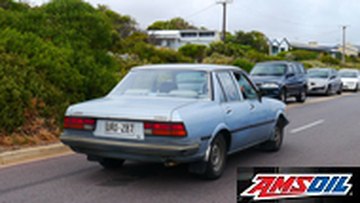
Catalog vehicle photograph for 1982 Mazda 626
Vehicle photograph from our catalog. Appearance may differ by model or trim.
Visit us on social media
