Wix oil filters for your 1981 Mazda 626 have extended OEM recommendations which match the drain intervals of AMSOIL XL synthetic motor oil which is 12k or 1 year, whichever is first.
This synthetic manual transmission and transaxle gear lube is made to protect from friction and keep viscosity for extended component and fluid life. You will get smooth and fast performance from synchronizers and gears. Enjoy quick and smooth shifting. It is made to exceed protection under severe conditions and it blows the doors off of regular fluids which are limited in protection. Protect your 1981 Mazda 626.
This lube is made to exceed the requirements of equipment and all vehicles that require SAE 80W-90 viscosity. It is made with synthetic base oils and top additives without adding any wax. Amsoil Severe Gear is solid against thermal breakdown. Will give you awesome protection for bearings and gears and tough against heat which will help extend the life of your equipment and avoid costly repairs. Made in the U.S.A.
This special formula is made for harsh operating conditions that pick-up trucks endure. Also top-notch protection for SUVs, heavy equipment, and other heavy-duty vehicles. Made in the USA.
This is a fantastic lubricant for towing trailers, heavy duty hauling, off road driving/4x4, commercial applications, and for race enthusiasts. This severe gear lube will protect bearings, gears from friction and exceeds performance of any regular gear oil out there!
Keep your truck or vehicle out of the shop and avoid costly repairs with this made in the USA lube.
Super Shift Racing Transmission Fluid resists extreme heat and slippage! Rock n' roll on the track with this awesome transmission fluid! Get this oil for your 1981 Mazda 626 now!
This lube is made to exceed the requirements of equipment and all vehicles that require SAE 80W-90 viscosity. It is made with synthetic base oils and top additives without adding any wax. Amsoil Severe Gear is solid against thermal breakdown. Will give you awesome protection for bearings and gears and tough against heat which will help extend the life of your equipment and avoid costly repairs. Made in the U.S.A.
This special formula is made for harsh operating conditions that pick-up trucks endure. Also top-notch protection for SUVs, heavy equipment, and other heavy-duty vehicles. Made in the USA.
This is a fantastic lubricant for towing trailers, heavy duty hauling, off road driving/4x4, commercial applications, and for race enthusiasts. This severe gear lube will protect bearings, gears from friction and exceeds performance of any regular gear oil out there!
Keep your truck or vehicle out of the shop and avoid costly repairs with this made in the USA lube.
maximum protection for your 1981 Mazda 626 under extreme temperatures and operating conditions! Lasts up to 150,000 miles or five years! (whichever comes first)
Maintaining Lubrication Integrity for the 1981 Mazda 626 2.0L
Proper engine care for a vehicle of this era requires a proactive approach to fluid management and component inspection. For owners of a 1981 Mazda 626 equipped with the 2.0L (1970cc) engine, staying ahead of routine maintenance tasks is essential for managing the natural aging processes of mechanical systems. While modern vehicles often feature advanced electronic monitoring, older engines rely heavily on consistent manual oversight and high-quality lubrication to maintain operational efficiency.
Monitoring Fluid Condition and Consumption
One of the most effective ways to monitor the health of the 2.0L engine is through regular observation of fluid levels and the physical condition of the oil itself. Changes in how an engine utilizes lubricant can be early indicators that require further investigation.
If you notice a significant decrease in oil levels between service intervals, it warrants a closer look at the vehicle's sealing surfaces. Similarly, the appearance of the oil can provide useful information. While oil naturally darkens over time due to heat and use, an extremely rapid change in color or texture may indicate that the lubricant is being subjected to excessive thermal stress or contamination.
If you observe any unusual exhaust smoke, such as a blue tint, this can be associated with the engine consuming oil. Such symptoms do not point to one specific failure but rather serve as a signal to inspect the internal state of the engine and its various seals. Always treat unexpected changes in fluid behavior as an opportunity for a thorough inspection rather than assuming a catastrophic failure has occurred.
Practical Inspection Priorities for Aging Components
As vehicles age, certain materials and connections may undergo changes that affect overall performance. When performing routine maintenance on a 1981 Mazda 626, it is beneficial to look beyond just the oil change itself and perform a broader visual survey of the engine bay.
Seals and Gaskets: Inspect accessible gaskets and seals for signs of age-related seepage or leakage. Even small amounts of moisture around sealing surfaces should be noted to prevent larger issues later.
Hoses and Connections: If present, examine rubber hoses for signs of hardening, cracking, or swelling. Ensuring that these components remain pliable is vital for maintaining system integrity.
Electrical Integrity: Check electrical connectors and wiring for any signs of corrosion or fraying. Secure connections are necessary for the reliable operation of engine sensors and ignition components.
Drive Belts: If equipped, inspect accessible drive belts for evidence of cracking, glazing, or fraying. A belt that shows significant wear may eventually lose its ability to drive accessories effectively.
By integrating these visual checks into your regular service routine, you can transition from reactive repairs to a more organized, preventive maintenance strategy.
Establishing a Maintenance Baseline
For many owners of older vehicles, the complete service history may not be readily available. In these instances, the first priority is establishing a maintenance baseline. This involves performing a comprehensive inspection and documenting the current state of all major fluids and wear items.
If you are unsure when certain components were last serviced, it is often prudent to treat them as due for attention. Once you have documented the initial condition of the engine—noting any existing minor leaks, the condition of the belts, or the clarity of the coolant—you can more accurately track changes over time. Keeping a detailed log of every oil change, filter replacement, and observed repair creates a roadmap for the vehicle's future needs. This documentation is invaluable when trying to distinguish between normal aging and new mechanical developments.
Managing Long-Term Engine Health
Prioritizing maintenance as a vehicle enters its second or third decade of service requires a shift in mindset. Rather than following a rigid, one-size-fits-all schedule, focus on the actual condition of the machine. This means using the current state of the 2.0L engine to dictate which tasks are most urgent.
If you discover an active leak or notice that the engine is consuming more oil than previously recorded, these should be addressed before moving on to purely cosmetic or secondary maintenance tasks. Furthermore, distinguishing between necessary preventive maintenance and unnecessary parts replacement is key to efficient ownership. For example, a belt that shows minor surface dust may not need immediate replacement, whereas a belt with deep structural cracks requires attention. By focusing on condition-based maintenance, you ensure that resources are directed toward the areas that most impact the engine's longevity.
The Role of High-Mileage Formulations
When an engine has accumulated significant mileage over many years, owners may consider different types of lubricants. Some high-mileage oil formulations contain additives intended for use in aging engines. These specialized products often include seal-conditioning additives designed to help maintain the elasticity of various gaskets and seals. While these are not a substitute for repairing major leaks, they can be a useful component of a maintenance strategy for an older 1981 Mazda 626 that is otherwise performing well.
Practical Guidance for Buying Engine Oil for your 1981 Mazda 626 2.0L
When it comes time to replenish your engine's lubricant, the most important step is ensuring the product matches the specific requirements of your application. Because different engines have unique needs regarding flow and protection, you should never rely on general automotive knowledge or assumptions based solely on the vehicle's age.
To ensure the best results for your 1981 Mazda 626 2.0L, match the engine oil to the application-specific viscosity information already displayed on this page. Before finalizing your purchase, always check the product labeling to verify that the oil meets the appropriate quality standards and certifications. You may choose between conventional, synthetic blend, or full synthetic oils depending on your specific maintenance goals and the guidance provided in your vehicle's technical documentation. Always prioritize the viscosity and specifications listed in the application information above to maintain the integrity of your engine's lubrication system.
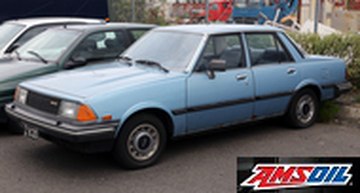
Vehicle photograph from our catalog. Appearance may differ by model or trim.
If you're looking for another year, make or model instead of this 1981 Mazda 626 motor oil, try one of these similar models below. We try to keep one page for each model vehicle.