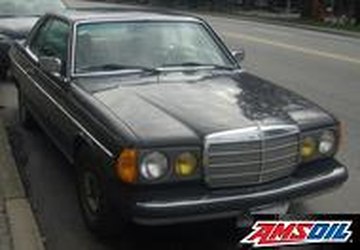
Engine Oil Maintenance for the 1983 Mercedes Benz 300CD
Maintaining the lubrication system is a fundamental aspect of long-term vehicle care. For the 1983 Mercedes Benz 300CD with the 3.0L engine, using the correct oil viscosity is essential for maintaining proper internal engine operation and protecting moving parts from wear.
What oil does my 1983 Mercedes Benz 300CD 3.0L take?
For this vehicle, the following options are listed: SAE 5W-40 FS Synthetic European Motor Oil and SAE 0W-40 FS Synthetic European Motor Oil.
Understanding Engine Oil Viscosity
Viscosity refers to a fluid's resistance to flow. In an internal combustion engine, the oil must be thin enough to circulate quickly during a cold start but thick enough to maintain a protective film when the engine reaches operating temperature. The numbers in a viscosity rating, such as 5W-40 or 0W-40, describe this behavior.
The first number followed by a "W" (for Winter) indicates how the oil flows at lower temperatures. A lower number suggests better flow during cold starts, which helps reduce metal-on-metal contact immediately after ignition. The second number represents the oil's viscosity at higher operating temperatures. Selecting an oil within the specified range ensures that the lubrication system can handle both the initial startup and the sustained heat of driving.
The Importance of Regular Oil Changes
Engine oil does not remain in perfect condition indefinitely. Over time, the chemical additives designed to protect the engine begin to break down due to heat and oxidation. Additionally, oil collects microscopic debris, soot, and combustion byproducts that can become abrasive if left in the system for too long.
To maintain engine health, you should follow the manufacturer's maintenance schedule regarding how often to change the oil. Regularly replacing old oil with fresh lubricant ensures that the engine continues to receive adequate cleaning and lubrication properties. Neglecting these intervals can lead to increased sludge buildup and accelerated component wear.
Monitoring Oil Levels
Checking your oil level is a simple but vital maintenance task. Even when following a regular change schedule, it is wise to periodically inspect the dipstick to ensure the level remains within the appropriate range. Low oil levels can lead to insufficient lubrication, increased engine temperature, and potential mechanical failure.
When checking the oil, it is generally best to perform the check on level ground. Depending on how long the vehicle has been sitting, you may need to wait a few minutes after shutting off the engine to allow the oil to drain back into the oil pan for an accurate reading. If you notice the oil level dropping more rapidly than expected between services, it may indicate a leak or consumption that requires professional inspection.
Inspecting for Oil Leaks
A clean engine bay makes it much easier to identify potential issues. Regularly inspecting the area around the engine for signs of oil seepage can help you catch small leaks before they become significant problems. Common areas where leaks may occur include gaskets, seals, and the oil filter housing.
If you notice oil spots on your driveway or see wetness around various engine components, investigate the source immediately. Small leaks can lead to a gradual loss of oil volume, which compromises the lubrication system's ability to protect the engine. Addressing a leak early is often more cost-effective than repairing damage caused by running an engine with low oil pressure or insufficient fluid levels.
The Role of the Oil Filter
The oil filter is a critical component of the lubrication system, working alongside the engine oil to remove contaminants. As oil circulates through the engine, the filter captures particles that could otherwise score cylinder walls or damage bearings. Because the filter eventually becomes saturated with debris, it must be replaced during every oil service.
Using a clean filter ensures that the flow of oil remains unobstructed and that the fluid entering the engine is as clean as possible. A clogged or failing filter can restrict oil flow or, in some cases, allow unfiltered oil to bypass the filtration media, exposing engine components to contaminants.
BUYING ENGINE OIL
When you are ready to purchase lubrication for your vehicle, focus on finding products that match the specific viscosity requirements of your engine. For this 1983 Mercedes Benz 300CD, look for options such as the SAE 5W-40 FS Synthetic European Motor Oil or the SAE 0W-40 FS Synthetic European Motor Oil listed in your technical documentation. Always verify that the product packaging matches the required specifications before completing your purchase to ensure proper engine protection.