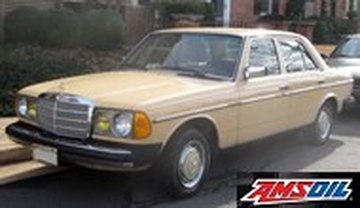
Maintenance and Lubrication for the 1981 Mercedes Benz 300CD 3.0L
Owning a classic diesel vehicle like the 1981 Mercedes Benz 300CD requires a disciplined approach to routine service. The 3.0L engine, identified by the 616.912 designation, is a central component of this vehicle's operation. Maintaining proper lubrication and monitoring the condition of various engine components are essential practices for ensuring long-term mechanical health.
Monitoring Fluid Integrity and Engine Condition
Regularly observing the state of your engine fluids provides critical information regarding the internal environment of the 3.0L engine. While many owners focus solely on the oil change itself, the condition of the lubricant between services is equally telling. Changes in the appearance or consistency of the oil can be associated with various factors that warrant further investigation.
When performing routine checks, look for the following indicators:
- Fluid Seepage: Inspecting the area around the engine block and sealing surfaces can help identify signs of age-related seepage. Even minor traces of fluid may indicate that a gasket or seal is beginning to lose its effectiveness.
- Lubricant Appearance: If the oil appears significantly darker than expected shortly after a change, or if it exhibits an unusual texture, this may indicate contamination or the presence of combustion byproducts.
- Consumption Patterns: Monitoring how much lubricant is required to maintain proper levels between service intervals is a helpful way to track engine health. A sudden increase in the frequency of top-offs should be investigated.
It is important to remember that many different factors can cause changes in fluid appearance or consumption. Rather than attempting to diagnose a specific component based on a single observation, use these signs as prompts for a more thorough inspection.
Practical Inspection Priorities for Aging Engines
As vehicles age, maintenance priorities often shift from simple part replacement to condition-based monitoring. For a 1981 Mercedes Benz 300CD, this means looking at the actual state of components rather than relying solely on chronological age. Establishing a baseline of what is "normal" for your specific engine is the first step in effective long-term ownership.
If you are managing a vehicle with an incomplete service history, your initial goal should be to establish a clear record of current component conditions. This involves reviewing any available maintenance logs and then performing a comprehensive visual inspection. Once you know the current state of the engine, you can better distinguish between necessary preventive maintenance and unnecessary repairs.
When inspecting the engine bay, pay close attention to age-sensitive materials. If equipped, inspect accessible drive belts for signs of cracking, glazing, or fraying. Similarly, check any visible hoses for signs of hardening, swelling, or surface deterioration. These components are subject to thermal cycling and may require attention before they reach a point of failure.
Managing Long-Term Engine Health
Effective long-term maintenance is built on consistency and documentation. Keeping a detailed log of every oil change, filter replacement, and fluid service allows you to identify patterns that might otherwise go unnoticed. For example, tracking the specific products used and the intervals between services can help you determine if certain lubricants are performing better than others in your specific operating environment.
When addressing maintenance tasks, it is often most efficient to prioritize active concerns. If you notice evidence of fluid seepage or a change in how the engine sounds during operation, these should be addressed before moving on to general preventive tasks. Addressing small issues early can prevent them from evolving into more complex mechanical requirements.
Furthermore, as the vehicle continues to age, your inspection routine should become more granular. This does not mean performing more frequent oil changes, but rather being more observant during every service. Checking electrical connections for cleanliness and ensuring that air filtration components are free of debris are simple steps that contribute to overall engine stability.
The Role of Lubrication in Engine Longevity
Engine oil performs several vital roles that go beyond simply reducing friction. It acts as a medium for heat management, helping to carry thermal energy away from high-temperature areas within the engine. Additionally, the lubricant helps to suspend and carry away microscopic particles that could otherwise lead to the formation of deposits or sludge.
Maintaining the correct quality of oil is essential for these processes. High-quality lubricants are formulated with additives designed to resist oxidation and maintain their chemical stability over time. Some high-mileage formulations also include seal-conditioning additives, which may assist in maintaining the flexibility of aging gaskets and seals. However, the primary goal of any lubrication strategy should be to ensure that the oil can effectively manage heat and contamination throughout its service life.
Selecting Lubricants for Your 3.0L Diesel
When it comes time to replenish your engine's lubricant, accuracy is paramount. Because different engines have specific requirements regarding additive packages and chemical compositions, you must ensure that the product you select is appropriate for the 616.912 engine.
Avoid making assumptions based on the vehicle's age or general diesel engine characteristics. While some owners may be tempted to use certain types of oil based on common knowledge, it is always safer to rely on the specific data provided for your exact application. Modern oil standards and formulations have evolved significantly since 1981, so matching the lubricant to the requirements listed in your technical documentation is the most reliable way to ensure compatibility.
Buying Engine Oil for the 1981 Mercedes Benz 300CD 3.0L
To ensure the continued health of your engine, always match the engine oil to the application-specific viscosity and requirements shown on this webpage. Before completing your purchase, carefully check the product labels to verify that the oil meets the necessary specifications for your 1981 Mercedes Benz 300CD. Whether you choose a conventional, synthetic blend, or full synthetic formulation, the most important factor is that the lubricant aligns with the technical information provided in the application data above. Always verify the container's details against your vehicle's specific needs to ensure a correct match.