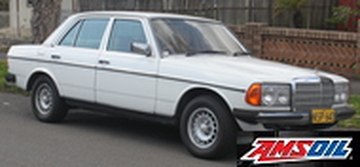
Maintaining Lubrication Standards for the 1980 Mercedes Benz 300CD 3.0L
Proper engine maintenance is a cornerstone of long-term vehicle health, particularly for diesel engines like the 616.912 found in this application. Maintaining the correct lubrication profile ensures that internal components operate with minimal friction and that heat is effectively managed during operation. For owners of a 1980 Mercedes Benz 300CD, staying proactive with fluid inspections and understanding the nuances of engine oil can significantly influence the longevity of the powertrain.
Monitoring Fluid Integrity and Condition
Regularly checking the condition of your engine oil is one of the most effective ways to monitor the internal state of the engine. Rather than relying solely on a calendar, observing the physical characteristics of the lubricant can provide useful information. When performing a routine check, pay close attention to the following:
- Color and Clarity: While diesel engine oil naturally darkens more quickly than gasoline engine oil due to the nature of diesel combustion, extreme changes in appearance or an unusual consistency should be noted.
- Contamination: Look for signs of unexpected substances within the oil. If the lubricant appears milky or has a cloudy texture, it may indicate that other fluids are entering the lubrication system.
- Odors: Unusual smells emanating from the oil during a change can sometimes be associated with combustion byproducts or other fluid interactions.
If you notice significant changes in how the oil looks or behaves, it warrants a closer investigation to determine the underlying cause. Addressing these observations early can prevent minor issues from evolving into more complex mechanical concerns.
Observing Potential Warning Signs
While many maintenance tasks are scheduled, being able to recognize unexpected symptoms is vital for responsible ownership. It is important to remember that various symptoms can have multiple causes, and a single observation does not always point to one specific component failure. However, certain signs should never be ignored.
Visible fluid seepage or leakage around the engine block or sealing surfaces is a primary indicator that gaskets or seals may be aging. If you notice oil accumulating in areas where it should not be present, such as on the underside of the engine or near external components, an inspection of the relevant seals and mounting surfaces is advisable. Similarly, if you observe unusual mechanical noises during startup or while idling, this can be associated with changes in the lubrication film or other internal mechanical shifts.
Any sudden increase in how much oil the engine seems to use between service intervals should also be investigated. While some consumption is expected as engines age, a noticeable trend warrants a check of the engine's overall condition and sealing integrity. Always approach these symptoms with the understanding that they are indicators for further diagnostic inspection rather than definitive diagnoses.
Prioritizing Maintenance Through Condition-Based Care
As vehicles age, the strategy for maintenance often shifts from strictly following a schedule to a more nuanced, condition-based approach. For a 1980 Mercedes Benz 300CD, this means using the actual state of the vehicle to determine where to focus your efforts. If you are stepping into ownership of this vehicle without a complete service history, establishing a maintenance baseline is an excellent first step.
To establish this baseline, begin by documenting the current condition of all major fluids and visible components. Reviewing any available repair records can help identify if certain parts have been recently addressed or if there are recurring areas of concern. If documentation is incomplete, prioritize addressing active leaks, visible signs of wear on accessible belts (if equipped), or any overdue service items that are immediately apparent.
Distinguishing between necessary preventive maintenance and unnecessary parts replacement is key to efficient ownership. Rather than replacing components simply because they have reached a certain age, focus on inspecting them for actual deterioration. For example, inspect hoses and electrical connections for signs of cracking, fraying, or corrosion. This targeted approach ensures that resources are directed toward the areas that truly require attention.
Managing Aging Components and Seals
With a vehicle from 1980, certain materials are naturally subject to the effects of time and thermal cycling. While it is not a guarantee that every component will fail, being aware of how aging affects various parts can help you stay ahead of potential issues. Gaskets and seals are particularly sensitive to these changes. Inspecting these areas for signs of seepage or dryness can provide an early warning before a leak becomes significant.
If your vehicle is equipped with various drive belts, these should be checked periodically for signs of glazing, cracking, or fraying. Similarly, if the engine utilizes specific cooling-system components, inspecting hoses for softness or brittleness is a prudent measure. Maintaining a clean environment around the engine can also make it much easier to spot new leaks or signs of wear as they develop.
Effective Record Keeping for Long-Term Ownership
One of the most valuable tools for any owner is a detailed maintenance log. Keeping a consistent record of every oil change, filter replacement, and mechanical repair provides a clear picture of the vehicle's health over time. This history is invaluable when:
- Identifying Trends: You can see if oil consumption or fluid degradation is accelerating.
- Assessing Value: A well-documented service history demonstrates a high standard of care to future owners or technicians.
- Planning Future Service: Knowing exactly when a component was last inspected helps in scheduling the next round of preventive maintenance.
A good record should include the date of service, the mileage at the time, the specific products used (such as oil and filter part numbers), and any observations made during the inspection process. This level of detail transforms routine maintenance from a series of disconnected tasks into a comprehensive management strategy for the vehicle.
Practical Guidance for Buying Engine Oil for your 1980 Mercedes Benz 300CD 3.0L
When it is time to replenish your engine's lubrication, the most important step is ensuring that the product you select matches the specific requirements of your engine. For this 1980 Mercedes Benz 300CD 3.0L, do not rely on general knowledge or assumptions based on the vehicle's age to choose a lubricant. Instead, match the engine oil to the application-specific viscosity information already displayed on this webpage.
Before making a purchase, carefully check the product labeling to ensure it meets the appropriate quality standards and certifications for your specific diesel application. You may encounter various formulations, including conventional, synthetic blends, or full synthetic oils. While some high-mileage oil formulations contain additives intended for use in aging engines, such as seal-conditioning agents, you should always prioritize the viscosity and specification requirements listed in your vehicle's technical data. By following the specific guidance provided on this page, you ensure that your lubricant is capable of providing the necessary protection and thermal stability required for your engine.