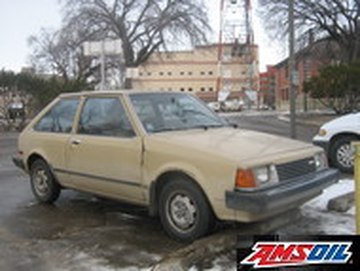
Engine Oil Maintenance for the 1983 Mazda GLC 1.5L
Maintaining proper lubrication is one of the most important aspects of preserving the longevity and operational integrity of your vehicle's engine. For a 1983 Mazda GLC with the 1.5L engine, consistent attention to oil levels and quality helps ensure that internal components remain properly lubricated under various operating conditions.
When should I change the oil in my 1983 Mazda GLC 1.5L?
To determine the correct interval for an oil change, you should follow the owner's manual or the manufacturer maintenance schedule provided for your specific vehicle. Do not rely on estimated mileage or time intervals, as the official documentation contains the necessary guidance for your engine.
Understanding Engine Oil Functions
Engine oil serves several critical roles within the 1.5L engine of your Mazda GLC. Primarily, it provides a thin film of lubrication between moving metal parts, such as pistons, crankshaft bearings, and camshafts. This film prevents direct metal-to-metal contact, which reduces friction and minimizes wear during engine operation.
Beyond lubrication, oil also assists in thermal management by helping to carry heat away from high-temperature areas within the engine block and cylinder head. Additionally, oil helps to suspend and transport contaminants, such as microscopic soot particles or combustion byproducts, toward the oil filter where they can be trapped. Maintaining clean oil is essential for these functions to remain effective.
Monitoring Oil Levels Regularly
Checking your oil level is a fundamental maintenance task that should be performed frequently. A regular check allows you to identify potential leaks or excessive oil consumption before they lead to mechanical issues. To perform a check, ensure the vehicle is parked on a level surface and the engine is in the appropriate state (either recently shut off or at operating temperature, depending on your specific manual's instructions).
Use the dipstick provided by the manufacturer to verify that the oil level falls within the designated operating range. If the level is low, adding oil is necessary to prevent the pump from sucking in air or running the engine with insufficient lubrication. If you notice a significant drop in oil levels between checks, it may indicate a leak or an internal issue that requires professional inspection.
The Importance of Oil Filter Maintenance
Every time the engine oil is changed, the oil filter should also be replaced. The filter is responsible for capturing debris and contaminants that circulate within the lubrication system. Over time, a filter can become saturated with particles, which reduces its ability to clean the oil effectively.
A clogged or inefficient filter can restrict the flow of oil to critical engine components. While many modern filters are designed to bypass oil if they become completely blocked to prevent total starvation, relying on this mechanism is not a substitute for regular replacement. Replacing the filter alongside the oil ensures that the fresh lubricant enters a clean environment.
Observing Oil Condition and Color
The physical appearance of your engine oil can provide useful information about the health of your engine. Fresh oil typically has a clear, translucent appearance (though it may be tinted by additives). As oil undergoes its service life, it will naturally darken due to the accumulation of combustion byproducts and heat exposure.
While some darkening is normal, you should look for signs of extreme contamination. For example, an oil that appears milky or frothy may indicate the presence of coolant, which suggests a potential issue with a head gasket or internal seal. Similarly, an extremely gritty texture could indicate significant metal wear. If the oil looks unusual, it is advisable to have the vehicle inspected.
Managing Oil Leaks
Oil leaks can stem from various points, including gaskets, seals, or the oil pan. Even small, slow leaks can lead to a gradual loss of oil volume over time. It is important to inspect the area around the engine for any signs of wetness or dark staining. Common areas where leaks may occur include the valve cover gasket and the oil pan gasket.
If you notice oil spots on your driveway or a burning smell inside the cabin while driving, these are common indicators that a leak may be present. Addressing leaks promptly helps prevent the engine from running low on oil and protects other vehicle components from being coated in oil residue.
BUYING ENGINE OIL
When you are ready to purchase lubrication for your 1983 Mazda GLC 1.5L, ensure you select a product that meets the requirements of your engine. For this specific application, 10W-40 is a listed viscosity. When shopping, look for products that clearly state their viscosity grade on the container and check that they align with the information found in your vehicle's documentation. Always verify that any oil or filter you purchase is intended for use in your specific engine configuration to ensure proper performance.