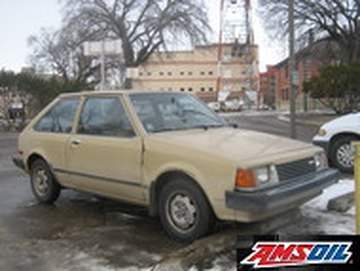
Lubrication Maintenance for the 1982 Mazda GLC 1.5L
Maintaining the engine of a 1982 Mazda GLC with the 1.5L (1490cc) engine requires consistent attention to fluid integrity and mechanical inspections. As vehicles age, the importance of high-quality lubrication and proactive monitoring increases. Proper care ensures that internal components remain protected against friction and thermal stress, which is essential for the continued operation of this era of Mazda engineering.
Monitoring Fluid Integrity and Potential Leaks
One of the most effective ways to monitor the health of a 1982 Mazda GLC engine is through regular visual inspections for fluid seepage. Over time, various gaskets and seals may experience changes in their ability to maintain a tight barrier. When performing routine checks, it is useful to look for any signs of oil residue around the engine block or at connection points.
If you notice dark staining or wet areas on the underside of the engine or near the bottom of the casing, this may indicate that a seal or gasket is no longer providing an airtight fit. Rather than assuming a specific component has failed, these observations should be treated as indicators that closer inspection is required. Identifying small amounts of seepage early can prevent more significant issues from developing later.
Additionally, checking the level and appearance of the engine oil during every service interval is vital. If the lubricant appears excessively dark or contains visible particulates, it may suggest that the oil has undergone significant thermal breakdown or has been subjected to heavy contamination. Consistent monitoring helps establish a baseline for what "normal" looks like for your specific vehicle.
Managing Engine Oil and Thermal Stability
The engine oil in a 1.5L Mazda GLC performs several roles, primarily acting as a barrier against metal-on-metal contact and assisting in heat dissipation from the internal components. Because engines operate under varying thermal loads, the stability of the lubricant is paramount. As oil ages, it can lose its ability to resist oxidation, which is the chemical breakdown that occurs when oil is exposed to high temperatures and oxygen.
When an engine's oil loses its structural integrity, it can lead to the formation of deposits or sludge. These accumulations can interfere with the smooth movement of internal parts. To prevent this, using a lubricant that meets modern quality standards for deposit control is a practical approach. While the vehicle was manufactured in 1982, utilizing oils that adhere to current API (American Petroleum Institute) service classifications ensures that you are benefiting from contemporary additive technology designed to manage oxidation and cleanliness.
For owners of older engines, some high-mileage oil formulations may be considered. These products often contain seal-conditioning additives intended for use in aging engines, which can help maintain the flexibility of various rubber components within the lubrication system. However, the primary goal should always be to match the lubricant to the specific requirements provided in your application data.
Observing Potential Warning Signs
While many maintenance needs are identified through scheduled service, certain symptoms warrant immediate investigation. If you notice changes in how the engine operates, it is important to determine if they are related to lubrication or other mechanical factors. Symptoms can have multiple causes, so a professional diagnosis is often necessary when something feels incorrect.
- Changes in Lubricant Consumption: If you find yourself needing to add oil more frequently than usual, this warrants an inspection of the engine's sealing surfaces and internal components.
- Unusual Noises: Any new mechanical sounds—such as tapping, clicking, or knocking—should be investigated promptly, as these can sometimes be associated with insufficient lubrication or changes in component clearances.
- Visual Indicators: While modern dashboard warning lights may not be present on all 1982 models, any visible signs of smoke from the exhaust or significant fluid puddles under the vehicle are critical signals that require attention.
- Thermal Changes: If the engine seems to run hotter than its historical norm, it is important to check the cooling system and ensure the oil is performing its heat management role effectively.
It is a mistake to ignore these signs. Addressing a minor symptom early can often prevent more extensive mechanical complications.
Prioritizing Long-Term Engine Care
For an owner of a 1982 Mazda GLC, long-term maintenance should be driven by the actual condition of the vehicle rather than just its age. If you have inherited the vehicle without a complete service history, your first priority should be establishing a maintenance baseline. This involves performing a thorough inspection of all fluids, belts, and hoses to understand the current state of the machine.
Once a baseline is established, prioritize tasks based on what the vehicle actually needs. For example, if you find that the engine oil is being consumed at an unusual rate, addressing that issue should take precedence over other cosmetic or non-essential repairs. Keeping a detailed log of every oil change, filter replacement, and observed leak will be invaluable for making informed decisions about future repairs.
As the vehicle continues to age, you may notice that maintenance needs shift. You might find yourself inspecting electrical connections more frequently or paying closer attention to the condition of rubber components like hoses and belts (if equipped). By focusing on condition-based maintenance, you can avoid unnecessary parts replacement while ensuring that critical systems remain reliable.
Practical Inspection of Auxiliary Components
Beyond the engine oil itself, other components in the engine bay require periodic attention to ensure the overall health of the 1.5L powerplant. If equipped, inspect accessible drive belts for signs of deterioration such as cracking, glazing, or fraying. These belts are essential for driving various accessories and their condition is a key indicator of the engine's operational readiness.
Similarly, if the vehicle is equipped with various hoses, check them for softness, brittleness, or bulging. A hose that has become too soft may be prone to collapsing, while one that is too brittle may crack under pressure. Keeping these components in good condition supports the engine's ability to manage heat and maintain stable operating conditions.
Buying Engine Oil for your 1982 Mazda GLC 1.5L
When you are ready to purchase new lubricant, the most important step is to match the product to the specific application information provided on this page. Do not rely on general automotive knowledge or assumptions based on the vehicle's age to select a viscosity; instead, always use the vehicle-specific oil viscosity listed in the application information shown above.
Before completing your purchase, check the product labeling to ensure the oil meets the appropriate API certification for your needs. Depending on your specific maintenance goals and the current condition of your engine, you may choose between conventional, synthetic blend, or full synthetic formulations. If you are managing an engine with higher mileage, you might also look for high-mileage formulations that include seal-conditioning additives. Always verify that the oil you select is compatible with the requirements documented for this 1982 Mazda GLC 1.5L.