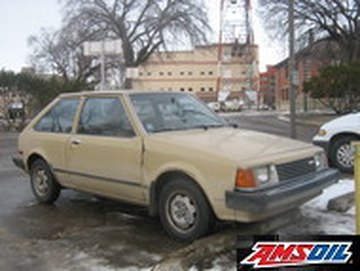
Lubrication Maintenance for the 1980 Mazda GLC 1.4L
Maintaining the mechanical integrity of a vehicle like the 1980 Mazda GLC requires a disciplined approach to fluid management and routine inspections. With the 1.4L engine, ensuring that internal components receive consistent lubrication is a fundamental aspect of long-term ownership. Because this vehicle was manufactured several decades ago, maintenance strategies often focus on monitoring the condition of aging materials and responding to the specific needs of an older powertrain.
Monitoring Fluid Integrity and Consumption
One of the most effective ways to monitor the health of the 1.4L engine is through regular observation of lubricant levels and appearance. Changes in how much oil the engine uses can be a significant indicator of changing mechanical conditions. If you notice that the level on the dipstick is dropping more rapidly than expected between service intervals, it warrants a closer investigation into potential sources of loss.
Beyond just checking the quantity, the physical condition of the lubricant provides useful information. When performing a routine check, observe the color and texture of the oil. While oil naturally darkens over time due to use, extreme discoloration or an unusual consistency may indicate that the lubricant is no longer performing its intended role effectively. Furthermore, any signs of unexpected odors or changes in how the engine sounds during operation should be treated as signals to inspect the system more thoroughly.
Observing Potential Warning Signs
Identifying issues early can prevent more significant mechanical complications. While many symptoms can have multiple underlying causes, certain observations are worth noting during your regular maintenance routine. For instance, visible seepage around various engine junctions or on the underside of the vehicle may indicate that gaskets or seals are beginning to lose their effectiveness due to age and thermal cycling.
It is also important to remain observant of any changes in exhaust characteristics. While certain colors of smoke can be associated with various internal processes, they should never be ignored. If you notice a change in the way the engine breathes or if you detect unusual smells while driving, these are indicators that the vehicle's lubrication or combustion environment may need professional attention. Always remember that a single symptom does not provide a definitive diagnosis; rather, it serves as a prompt to investigate further.
Prioritizing Long-Term Engine Care
As vehicles age, maintenance priorities often shift from simple part replacement to more comprehensive condition monitoring. For an owner of a 1980 Mazda GLC, establishing a clear baseline of the vehicle's current state is highly beneficial. If you do not have a complete service history available, your first priority should be to document the current condition of all vital fluids and the general state of accessible engine components.
Effective long-term care involves distinguishing between necessary preventive maintenance and unnecessary component replacement. Rather than replacing parts based solely on the age of the vehicle, focus on the actual condition of the materials. For example, inspect any visible hoses or belts for signs of cracking, glazing, or fraying. If these components appear supple and intact, they may not require immediate attention, whereas those showing physical deterioration should be addressed promptly to maintain operational reliability.
Practical Inspection of Engine Components
A thorough visual inspection can reveal much about the current state of the 1.4L engine without requiring extensive disassembly. When the engine is cool, take the opportunity to look for signs of moisture or residue around various connection points. Inspecting the area around the oil filler cap and the drain plug can help confirm that seals are maintaining their integrity.
If equipped, check the condition of any drive belts by looking for signs of wear or contamination. Similarly, if the vehicle is equipped with an air filtration system, ensuring the filter is clean is essential for preventing debris from entering the combustion chamber. Maintaining a clean environment around the engine helps in identifying new leaks or issues as they arise, rather than having them obscured by accumulated grime or old residue.
Managing Maintenance Records
For any vintage vehicle, keeping a detailed log of all service performed is an invaluable tool. Documenting when oil was changed, which products were used, and any observations made during inspections allows you to track patterns over time. This history becomes particularly useful when trying to determine if a specific issue is a new development or a long-standing characteristic of the vehicle.
A well-maintained record helps in making informed decisions about future repairs. If you can see a clear timeline of fluid changes and component replacements, you can better prioritize which maintenance tasks are most urgent. This organized approach moves maintenance from a reactive process to a proactive one, helping to ensure the 1980 Mazda GLC remains in consistent operating condition.
Buying Engine Oil for your 1980 Mazda GLC 1.4L
When it is time to replenish the engine's lubricant, the most important step is to match the product to the specific requirements of your application. To ensure proper protection and performance, always use the vehicle-specific oil viscosity and application information that is displayed on this webpage.
As you shop for products, consider the following practical tips:
- Verify Labeling: Always check the product packaging to confirm it meets the necessary specifications before completing your purchase.
- Evaluate Formulations: Depending on the current condition of your engine, you may encounter various options such as conventional, synthetic blends, or full synthetic oils. Some high-mileage oil formulations contain additives intended for use in aging engines, including seal-conditioning additives, which may be a consideration for older vehicles.
- Check Certifications: Ensure the oil carries the appropriate API certification to confirm it meets modern quality and performance standards.
By following the application-specific guidance provided on this page, you can select a lubricant that is appropriate for your 1980 Mazda GLC 1.4L and support its continued operation.