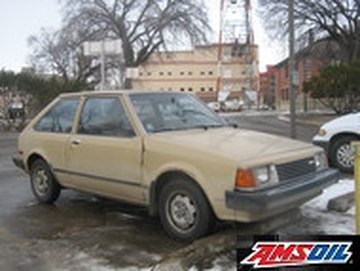
Maintaining Lubrication Integrity for the 1981 Mazda GLC 1.5L
Proper engine care for a vehicle of this era requires a focus on consistent monitoring and proactive inspection. For the 1981 Mazda GLC equipped with the 1.5L (1490cc) engine, maintaining the lubrication system is a fundamental aspect of long-term mechanical health. Because older engines rely on precise tolerances and effective fluid properties to manage friction and heat, staying attentive to how the engine handles its oil can prevent many common issues associated with aging vehicles.
Monitoring Fluid Condition and Consumption
One of the most effective ways to monitor the health of a 1.5L engine is through regular observation of the lubricant itself. Changes in the appearance or consistency of the oil can be early indicators of underlying mechanical processes. For example, if the oil appears excessively dark or contains visible particulates, it may suggest that the fluid is no longer effectively managing contaminants or that service intervals need closer attention.
It is also important to keep track of how much oil the engine consumes between service intervals. While some level of consumption can occur as engines age, a noticeable increase in the frequency of top-offs warrants investigation. If you find yourself adding oil more often than previously necessary, it may indicate that the engine is utilizing the lubricant in ways that require a closer look at seals or other internal components. Always use the application-specific oil quantity information provided on this page when checking levels to ensure accuracy.
Observing Potential Warning Signs
When maintaining an older vehicle like the 1981 Mazda GLC, being able to recognize subtle changes in operation is vital. While many issues develop slowly, certain symptoms should never be ignored. If you notice unusual mechanical noises that coincide with engine operation, or if you observe any evidence of fluid seepage around the engine block or under the vehicle, these are signs that require a thorough inspection.
An oil-related warning light on the dashboard is perhaps the most critical signal; such an indicator requires immediate investigation to prevent potential damage. Additionally, keep an eye out for any changes in exhaust characteristics. While symptoms can have multiple causes—ranging from sensor issues to mechanical wear—any sudden change in how the engine sounds or breathes should be treated as a priority for diagnostic review. Rather than attempting to pinpoint a specific failed component based on a single symptom, use these observations as a prompt to schedule a professional inspection.
Age-Related Inspection Priorities
As vehicles move into higher decades of service, the materials used in various systems can undergo changes due to heat cycles and time. For the 1981 Mazda GLC, focusing on the condition of aging components is a practical approach to preventive maintenance. This includes inspecting accessible hoses and belts, if equipped, for signs of deterioration such as cracking, glazing, or fraying.
Furthermore, it is wise to inspect various gaskets and seals for any evidence of age-related seepage. Even if a leak is not currently dripping onto the ground, "sweating" or oily residue around sealing surfaces can indicate that a component is nearing the end of its effective service life. Checking electrical connections and ensuring they are free from corrosion or loose seating is another important task, as stable electrical signals are necessary for the proper operation of engine management components.
Establishing a Maintenance Baseline
For many owners of a 1981 Mazda GLC, the vehicle's full service history may not be immediately available. In these cases, the first step in effective ownership is establishing a maintenance baseline. This involves performing a comprehensive inspection of all fluids and major engine-adjacent components to determine their current state.
By documenting the current condition of the oil, the integrity of the cooling system (if present), and the state of any visible belts or hoses, you create a reference point. Once this baseline is established, you can more easily identify when a component has changed or when a fluid has degraded. Keeping a detailed log of every oil change, filter replacement, and observed leak allows you to move from reactive repairs to a more organized, preventive maintenance strategy. This historical record becomes an invaluable tool for both the owner and any technician performing future service.
Prioritizing Service Tasks
Effective maintenance is not just about doing everything at once; it is about knowing what to address first. When managing an older 1.5L engine, priorities should be dictated by the current condition of the vehicle rather than a generic calendar. If you discover an active leak or notice that the oil level is dropping rapidly, these issues take precedence over routine cosmetic or secondary maintenance tasks.
Distinguishing between necessary repairs and unnecessary parts replacement is key to efficient ownership. For instance, if a component shows minor surface aging but remains functionally sound, it may not require immediate replacement. However, if an inspection reveals that a belt is fraying or a hose is soft and bulging, addressing that item immediately can prevent more significant mechanical interruptions later. Always prioritize tasks that directly impact the engine's ability to remain lubricated and thermally stable.
Practical Guidance for Buying Engine Oil for your 1981 Mazda GLC 1.5L
When it is time to replenish your lubricant, the most important step is to ensure the product matches the specific requirements of your engine. Do not rely on general automotive knowledge or assumptions based on the vehicle's age to select a grade. Instead, match the engine oil to the application-specific viscosity information already displayed in the technical data section of this page.
When you are ready to purchase, check the product labeling carefully to ensure it meets the appropriate API service classifications. Depending on your specific needs and the current condition of your engine, you may choose between conventional oil, synthetic blends, or full synthetic formulations. Some high-mileage oil formulations contain additives intended for use in aging engines, including seal-conditioning additives that may be beneficial for older seals. Always verify that the oil you select is compatible with the information provided above to ensure the continued protection of your 1.5L Mazda engine.