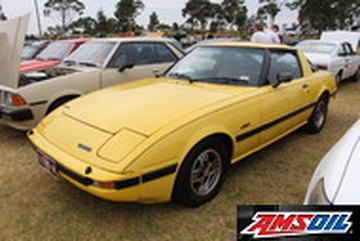
Lubrication Maintenance for the 1982 Mazda RX-7 1.1L
Maintaining a vehicle of this era requires a disciplined approach to routine service and careful monitoring of fluid health. For owners of the 1982 Mazda RX-7 with the 1.1L engine, consistent attention to lubrication systems is a fundamental aspect of long-term preservation. Because mechanical components undergo significant thermal and physical stress during operation, the quality and condition of the engine oil play a vital role in the overall health of the powertrain.
Monitoring Fluid Condition and Consumption
One of the most effective ways to monitor the status of an engine is through regular observation of fluid levels and characteristics. Rather than waiting for a warning indicator, proactive owners often establish a routine of checking the oil level during standard maintenance intervals. This practice helps in identifying any unexpected changes in how the engine utilizes its lubricant.
When inspecting the oil, look for several key indicators:
- Color and Clarity: While oil naturally darkens over time due to use, extreme discoloration or a milky appearance can warrant further investigation.
- Consistency: The presence of particulate matter or an unusual texture in the fluid may indicate that the lubricant is no longer performing its intended role effectively.
- Level Fluctuations: If you notice that the oil level is dropping more rapidly than expected between service intervals, it is important to investigate why the engine might be consuming more lubricant.
It is important to note that changes in how an engine behaves can have many different causes. A sudden change in oil consumption or a noticeable odor may be associated with various mechanical factors, and these symptoms should always be investigated by a qualified technician to determine the exact source.
Systematic Inspection of Aging Components
As vehicles age, the materials used in various systems can undergo changes due to heat cycles and time. For a 1982 model, a systematic approach to inspection is more effective than relying on assumptions about what might fail. Instead of replacing parts based solely on their age, focus on the actual condition of the components present on the vehicle.
When performing routine service, consider inspecting the following areas:
- Sealing Surfaces: Inspect various gaskets and seals for signs of seepage or weeping. Even minor traces of fluid around sealing surfaces should be monitored to ensure they do not develop into active leaks.
- Hoses and Connections: If equipped, check any visible hoses for signs of hardening, cracking, or swelling. Ensuring that connections remain tight and secure is a key part of preventing fluid loss.
- Electrical Integrity: Inspect accessible wiring and electrical connectors for signs of corrosion or fraying, which can impact the performance of various engine sensors and management systems.
- Drive Components: If the engine utilizes accessible belts, inspect them for glazing, cracking, or fraying. Maintaining the integrity of these components helps ensure that accessory-driven systems operate smoothly.
By focusing on these physical indicators, you can prioritize maintenance tasks based on the actual needs of your specific vehicle rather than following a generic age-based schedule.
Establishing a Maintenance Baseline
For many owners of classic or older vehicles, the complete service history may not be readily available. In these instances, the first priority is to establish a maintenance baseline. This involves performing a thorough inspection and documenting the current state of all vital fluids and mechanical components.
Once you have documented the initial condition of the engine oil, cooling system, and other lubricants, you can begin to track changes over time. Keeping a detailed log of when oil is changed, which products are used, and any observations made during inspections provides an invaluable resource. This history allows you to distinguish between normal aging and new developments that require attention. If you encounter evidence of previous neglect or inconsistent maintenance, establishing this baseline becomes even more critical for ensuring the vehicle's continued operation.
Prioritizing Service Tasks
Effective maintenance is not just about performing tasks; it is about deciding which tasks require immediate attention. When managing an older engine, it is helpful to categorize maintenance into preventive measures and corrective actions. Preventive maintenance involves routine tasks like oil changes that keep the system in good standing, while corrective actions address active issues discovered during inspections.
If you discover an active leak or notice a change in how the engine sounds or operates, these should be addressed before proceeding with standard preventive maintenance. Addressing small issues early can prevent them from evolving into more complex mechanical concerns. Furthermore, always prioritize tasks that directly impact the lubrication and cooling of the engine, as these systems are central to its operational stability.
Practical Considerations for Long-Term Ownership
Long-term ownership of a 1982 Mazda RX-7 involves a shift in mindset from simple part replacement to comprehensive condition monitoring. Rather than following a rigid schedule that may not account for how the vehicle is actually driven, successful owners often adapt their maintenance approach to the vehicle's current state. This means being attentive to how the engine responds to different operating conditions and adjusting inspection frequencies accordingly.
Reviewing any available repair records can provide context on what has already been addressed. If a specific component was replaced recently, you can focus your attention elsewhere. Conversely, if certain systems have not been serviced in many years, they should be moved to the top of your inspection list. This targeted approach ensures that your time and resources are spent where they will have the most significant impact on the vehicle's longevity.
Buying Engine Oil for the 1982 Mazda RX-7 1.1L
When it is time to replenish your engine lubricant, the most important step is to ensure that the product you select matches the specific requirements of your application. Because different engines have unique needs regarding thermal stability and additive packages, you should never rely on general automotive knowledge or assumptions based on the vehicle's age.
To make an informed purchase for your 1982 Mazda RX-7 1.1L, follow these guidelines:
- Consult Application Data: Match the engine oil to the application-specific viscosity and requirements already displayed on this webpage.
- Verify API Certification: Ensure that any oil you purchase carries the appropriate current API service certifications to guarantee a baseline of quality and performance.
- Evaluate Formulations: Depending on your specific needs, you may choose between conventional, synthetic blend, or full synthetic oils. Some high-mileage formulations also include seal-conditioning additives which may be useful for aging engines.
- Check the Label: Always verify that the information on the product container aligns with the technical specifications provided in your vehicle's documentation and the data shown here.
By strictly adhering to the application-specific information provided, you ensure that the lubricant provides the necessary protection for your engine's unique operating environment.