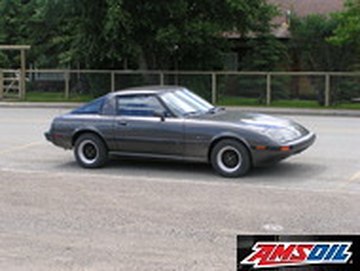
Lubrication Maintenance for the 1981 Mazda RX-7 1.1L
Maintaining a vehicle of this era requires a proactive approach to fluid management and component inspection. For owners of the 1981 Mazda RX-7 with the 1.1L engine, consistent attention to lubrication systems is a fundamental aspect of long-term preservation. Because mechanical components age at different rates depending on usage and environmental exposure, a structured maintenance strategy is more effective than following generic advice.
Monitoring Fluid Integrity and Consumption
One of the most practical ways to monitor engine health is through regular observation of fluid levels and the physical condition of the lubricant. Rather than waiting for a warning indicator, an owner can gain significant insight by performing periodic checks. If you notice a change in how much oil the engine consumes between service intervals, it warrants a closer investigation into the vehicle's sealing surfaces.
When inspecting the oil, look for changes in its appearance. While some level of darkening is expected as the lubricant performs its duties, significant discoloration or an unusual texture can be indicative of various factors. Furthermore, if you observe any evidence of fluid seepage around the engine block or connection points, it is important to address these areas promptly. Identifying a small seep early can prevent more significant issues later in the vehicle's service life.
It is also useful to monitor the exhaust for any unusual smoke patterns. While certain symptoms can have multiple underlying causes, changes in exhaust color or consistency may be associated with how the engine is managing its internal lubrication. Always treat new or unexpected symptoms as a prompt for a professional diagnostic inspection rather than attempting to pinpoint a specific failed component based on visual cues alone.
Prioritizing Service Based on Vehicle Condition
For an older vehicle, maintenance priorities should be dictated by the actual current state of the machine rather than just its age. If you are stepping into ownership without a complete service history, establishing a baseline is the first logical step. This involves performing a comprehensive inspection of all major service points to determine what has been addressed and what may require attention.
When reviewing maintenance records, look for patterns in previous repairs or fluid changes. A well-documented history provides confidence in the vehicle's current state, whereas gaps in documentation suggest that certain components should be inspected more rigorously. If you find that service intervals have been inconsistent in the past, focusing on immediate needs—such as fresh fluids and filter replacements—is a sound way to stabilize the engine's operating environment.
As the vehicle ages, distinguish between preventive maintenance and unnecessary part replacement. Not every aging component requires immediate intervention; instead, focus on addressing active leaks, unusual noises, or any signs of overdue service first. This condition-based approach ensures that resources are directed toward the areas that most impact the engine's continued operation.
Inspecting Aging Engine Components
A thorough inspection should include more than just checking fluid levels. If equipped, accessible drive belts should be examined for signs of wear such as cracking, glazing, or fraying. Similarly, if the vehicle is equipped with various hoses, check them for any evidence of hardening, swelling, or surface deterioration. These components are subject to thermal cycles that can affect their structural integrity over several decades.
Electrical connections and wiring harnesses also merit attention. Over time, heat and vibration can lead to brittle insulation or loose connectors. Ensuring that electrical paths remain clean and secure is vital for the overall reliability of the engine's management systems. Additionally, if applicable, inspecting the air filtration system ensures that the engine is not ingesting unnecessary debris, which helps maintain the cleanliness of the internal environment.
Finally, keep an eye on the cooling-system condition. Any evidence of visible leakage or signs of previous overheating should be investigated. Maintaining a stable operating temperature is essential for preventing premature wear on all lubricated surfaces within the engine.
The Role of High-Mileage Lubricant Formulations
As engines accumulate significant mileage, the physical properties of seals and gaskets can change. Some high-mileage oil formulations are designed with specific additives intended for use in aging engines. These seal-conditioning additives may help maintain the flexibility of certain components, which can be a consideration when managing an older vehicle.
While these formulations are an option, they should be selected based on the specific needs of the engine and the current state of its seals. The goal is to provide a lubricant that maintains stable film strength and resists oxidation, ensuring that the engine remains protected during both high-temperature operation and initial startup.
Practical Steps for Long-Term Ownership
Successful long-term ownership of a 1981 Mazda RX-7 involves moving from reactive repairs to proactive management. This is best achieved through meticulous record-keeping. Documenting every oil change, filter replacement, and mechanical repair creates a roadmap of the vehicle's health. These records are invaluable not only for your own maintenance planning but also for maintaining the documented history of the vehicle.
By keeping a log of fluid consumption and any observed changes in engine behavior, you can identify trends before they escalate into significant mechanical issues. This data-driven approach allows you to make informed decisions about when to perform preventive maintenance versus when to investigate a specific symptom.
Buying Engine Oil for your 1981 Mazda RX-7 1.1L
When it is time to replenish the engine's lubricant, the most important step is to match the product to the application-specific information provided on this page. Do not rely on general automotive knowledge or assumptions based on the vehicle's age to select a viscosity; instead, always use the specific viscosity and oil type listed in the technical data above.
Before completing your purchase, carefully check the product labeling to ensure it meets the necessary quality standards and certifications. Whether you choose a conventional, synthetic blend, or full synthetic lubricant, the selection must align with the requirements shown in the application information for this 1.1L engine. By strictly adhering to the provided specifications, you ensure that the lubricant provides the appropriate protection for your specific engine configuration.