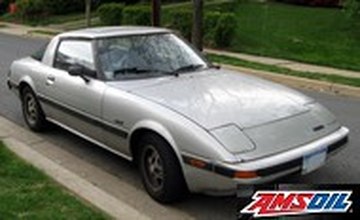
Lubrication Maintenance for the 1980 Mazda RX-7 1.1L
Maintaining a vehicle from this era requires a proactive approach to fluid management and mechanical inspection. For the 1980 Mazda RX-7 equipped with the 1.1L engine, consistent attention to lubrication systems is a fundamental aspect of long-term ownership. Because older engines often exhibit different sealing characteristics than modern vehicles, understanding how to monitor and respond to changes in lubricant condition is essential for effective maintenance.
Monitoring Fluid Integrity and Potential Leaks
One of the most practical aspects of routine service is the visual inspection of the engine bay for any signs of fluid seepage. Over time, various gaskets and seals may undergo changes due to heat cycles and age. When performing regular checks, it is useful to look for dampness or residue around sealing surfaces. Identifying these areas early can help prevent more significant issues later.
If you notice any evidence of fluid leakage, it warrants a closer investigation to determine the source. This might involve checking the area around the oil pan or other relevant engine junctions. Additionally, inspecting the condition of hoses and electrical connections during these routine checks is a sound practice. While these components are not always directly related to the lubrication system, their overall condition contributes to the health of the entire engine environment.
It is also beneficial to observe the appearance of the lubricant itself. Significant changes in color or texture can sometimes indicate that the oil has been exposed to contaminants or has undergone extreme thermal stress. If you notice any unusual mechanical noises during operation, these should be investigated promptly, as they may be related to the lubrication state or other internal components.
Prioritizing Maintenance Based on Current Condition
For owners of a 1980 Mazda RX-7, establishing a maintenance baseline is often the first step in effective long-term care. If the vehicle's service history is not fully documented, performing a comprehensive inspection of all fluids and belts (if equipped) can help create a clear picture of the engine's current needs. Rather than relying solely on the age of the vehicle, maintenance priorities should be driven by the actual condition of the components.
When managing an older engine, it is helpful to distinguish between necessary preventive maintenance and unnecessary parts replacement. For example, if a component shows no signs of wear or deterioration, there may be no immediate need for intervention. However, addressing active leaks or responding to observed warning signs should always take precedence over scheduled tasks that do not address current issues.
Keeping detailed records of all completed maintenance—including the types of lubricants used, filter replacements, and any observed changes in engine behavior—is highly recommended. These records serve as a vital tool for both the owner and any future technicians, providing a roadmap of the vehicle's mechanical evolution and helping to identify patterns that might otherwise go unnoticed.
Observing Potential Warning Signs
While many maintenance tasks are proactive, being able to recognize symptoms that require attention is critical. It is important to remember that various symptoms can have multiple underlying causes; for instance, an unusual odor or a change in exhaust appearance does not automatically point to one specific mechanical failure. Instead, these signs should be viewed as indicators that the vehicle requires professional inspection.
Potential indicators that warrant investigation include:
- Visible fluid seepage around engine components.
- Changes in how much lubricant the engine seems to consume between service intervals.
- Unusual mechanical sounds during startup or steady-state operation.
- The illumination of any dashboard warning indicators related to the engine or lubrication system.
- Evidence of overheating, such as temperature gauge fluctuations.
By staying observant and responding to these signs with a systematic approach, owners can better manage the complexities of maintaining a classic engine configuration.
The Role of High-Mileage Formulations
As engines age, the physical properties of seals and gaskets may change. In such cases, some owners look toward specialized lubricant options. Some high-mileage oil formulations contain additives intended for use in aging engines. These products often include seal-conditioning additives designed to help maintain the integrity of various components within the lubrication system.
While these formulations can be a useful tool in a maintenance strategy, they are not a substitute for addressing active leaks or mechanical wear. They are best used as part of a broader preventive maintenance program aimed at managing the natural progression of an older engine's service life.
Effective Lubricant Management Strategies
Consistent oil changes are a cornerstone of engine health. For the 1980 Mazda RX-7, ensuring that the lubricant is replaced according to a regular schedule helps prevent the buildup of deposits and maintains the fluid's ability to manage heat and reduce friction. When performing an oil change, it is also an ideal time to inspect the condition of any accessible drive belts (if equipped) for signs of cracking, glazing, or fraying.
Maintaining clean air filtration is another vital component of engine care. A clean intake environment ensures that the engine is not drawing in excessive debris, which helps protect internal components and prevents premature contamination of the engine oil. Combining these routine tasks creates a comprehensive approach to preserving the mechanical integrity of the 1.1L engine.
Practical Guidance for Buying Engine Oil for your 1980 Mazda RX-7 1.1L
When it is time to replenish your lubricant, the most important step is to ensure that the product you select matches the specific requirements of your vehicle. Rather than making assumptions based on the age of the car or general automotive trends, always refer to the application-specific viscosity and oil information provided on this webpage.
Before completing a purchase, follow these practical steps:
- Match the engine oil to the application-specific viscosity information shown above.
- Verify that the product meets the appropriate API certification listed in your vehicle's documentation.
- Check the product label carefully to ensure it aligns with the requirements for your specific 1.1L engine.
- Consider whether a conventional, synthetic blend, or full synthetic formulation is most appropriate based on the guidance provided in your application data.
By strictly adhering to the technical specifications displayed on this page, you ensure that the lubricant provides the necessary protection and performance characteristics required for your 1980 Mazda RX-7.