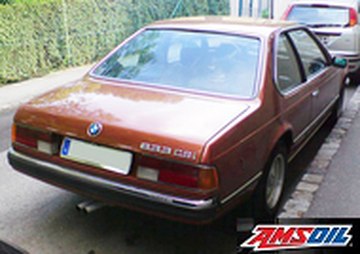
Maintaining Lubrication Integrity for the 1983 BMW 633CSi
Proper engine care for a vehicle like the 1983 BMW 633CSi requires a disciplined approach to fluid management and mechanical inspection. With the M30 B32 3.2L engine, maintaining the correct lubrication standards is a fundamental aspect of long-term ownership. Because this vehicle represents a specific era of automotive engineering, maintenance routines should focus on preserving component integrity through consistent monitoring and high-quality lubricant selection.
Monitoring Fluid Condition and Potential Seepage
A primary task for any owner is the regular observation of the engine bay for signs of fluid movement. Over time, various gaskets and seals may undergo changes in their ability to maintain a perfect barrier. Rather than assuming a component has failed, it is more effective to perform routine visual checks to identify any evidence of seepage or active leaks.
When inspecting the engine area, look for:
- Dampness or residue around sealing surfaces and mating components.
- Accumulations of grime that may indicate a slow, long-term leak.
- Any fluid spotting on the ground beneath where the vehicle is parked.
If any signs of leakage are observed, they should be investigated promptly. Identifying a small seepage early can prevent more significant issues later. It is also useful to check the condition of various hoses and connections if they are accessible, as aging materials can sometimes become brittle or lose their sealing effectiveness.
Observing Operational Indicators
Beyond visual inspections of the engine bay, paying attention to how the vehicle behaves during operation provides critical information. Changes in the way an engine sounds or smells can be early indicators that something requires professional attention. For example, a change in exhaust odor or unusual mechanical noises may warrant further investigation by a qualified technician.
It is important to remember that many different factors can cause similar symptoms. An unusual noise might be related to several different components, and an odor could stem from various sources. Therefore, rather than attempting to diagnose a specific part based on a single symptom, owners should treat these observations as prompts for a more thorough inspection. Monitoring the consistency of engine performance and any changes in fluid consumption levels can help establish a pattern that assists in proactive maintenance.
Prioritizing Long-Term Engine Care
For an owner of a 1983 BMW 633CSi, effective maintenance is often about distinguishing between immediate needs and long-term preventive measures. If you are working with a vehicle where the service history is not fully documented, establishing a baseline is a logical first step. This involves performing a comprehensive inspection of all fluids and major mechanical components to understand the current state of the engine.
Once a baseline is established, maintenance priorities can be set based on actual condition rather than just the age of the vehicle. For instance:
- Address any active leaks or visible signs of fluid loss immediately.
- Review existing service records to identify which components have been recently serviced and which may be approaching a need for attention.
- Monitor the condition of aging materials, such as electrical connections or rubber components, if they show signs of deterioration.
Keeping detailed records of all completed maintenance, including the specific products used and the dates of service, is invaluable. This documentation helps track the health of the M30 B32 engine over time and ensures that no critical service tasks are overlooked.
The Role of High-Quality Lubricants
The engine oil in a 3.2L engine performs several vital roles, including reducing friction between moving parts and assisting in heat management within the engine block. Because these functions are essential to the engine's operation, the quality and type of lubricant used can have a significant impact on how well the engine maintains its internal cleanliness.
Modern lubricant technology offers various formulations that may be suitable for different needs. Some high-mileage oil formulations contain additives intended for use in aging engines, which may assist in maintaining the integrity of various seals. Additionally, some high-mileage formulations include seal-conditioning additives. While these can be useful considerations, the most important factor is ensuring the lubricant meets the specific requirements of the application.
Maintaining clean oil helps prevent the buildup of deposits and sludge, which can occur if oil is allowed to oxidize or becomes heavily contaminated by combustion byproducts over extended periods. Regular changes help ensure that the protective properties of the oil remain effective throughout the service interval.
Practical Inspection of Accessory Components
While much focus is placed on the internal engine components, the external systems that support engine operation also require attention. If equipped, accessible drive belts should be inspected periodically for signs of wear such as cracking, glazing, or fraying. Similarly, if the vehicle is equipped with various hoses, checking them for softness, swelling, or leaks is a prudent part of a routine service.
Electrical integrity is another area worth monitoring. Inspecting wiring and electrical connectors for corrosion or loose connections can prevent intermittent issues. By combining these external checks with internal fluid monitoring, an owner can develop a comprehensive view of the vehicle's mechanical health.
Buying Engine Oil for your 1983 BMW 633CSi 3.2L
When it is time to replenish or change the engine oil, accuracy in selection is paramount. To ensure the longevity and proper operation of the M30 B32 engine, you must match the engine oil to the application-specific viscosity information shown on this page.
Before making a purchase, follow these practical steps:
- Verify that the lubricant matches the specific viscosity requirements listed in the application data provided above.
- Check the product labeling to ensure the oil meets current quality standards and certifications.
- Consider whether a conventional, synthetic blend, or full synthetic formulation is most appropriate based on your specific driving needs and the information provided in the technical specifications.
- If the engine has high mileage, you may choose to look at formulations specifically designed with seal-conditioning additives, provided they align with the required viscosity.
Always rely on the data presented in the vehicle's specific application record rather than making assumptions based on the vehicle's age or general engine size. Using the correct lubricant as specified for this 1983 BMW 633CSi is a critical step in effective engine maintenance.