
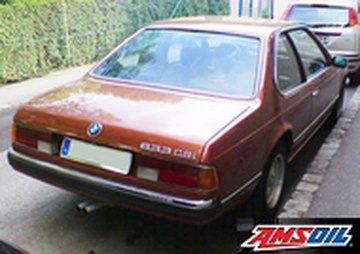




Engine Lubrication and Maintenance for the 1982 BMW 633CSi
Maintaining the mechanical integrity of a high-performance vehicle from the early 1980s requires a disciplined approach to fluid management and routine inspections. The 1982 BMW 633CSi, powered by the 3.2L M30 B32 engine, represents a period of engineering where precision and thermal management were paramount. Because these engines operate under specific mechanical tolerances, the quality and condition of the engine oil are central to long-term operational health.
Monitoring Fluid Integrity and Potential Seepage
For an owner of a 1982 BMW 633CSi, regular visual inspections can provide early indicators of how the engine is performing. Rather than waiting for a significant event, a proactive approach involves checking for signs of fluid movement around the engine block and sealing surfaces. Over time, heat cycles and age can affect the ability of various components to maintain a perfect seal.
When conducting an inspection, look for the following:
- Surface Seepage: Check around the edges of gaskets and seals for any signs of dampness or oily residue. Even minor seepage should be noted, as it can indicate that a seal is beginning to lose its effectiveness.
- Fluid Color and Consistency: If you are checking the oil level via a dipstick, observe the color and texture of the lubricant. While some discoloration is expected due to use, extremely dark or gritty oil may suggest that service intervals are being exceeded or that contamination is present.
- External Contamination: Ensure that the area around the oil filler cap and the drain plug remains clean. Accumulated grime can sometimes hide small leaks or make it difficult to identify where a leak actually originates.
It is important to remember that many symptoms, such as an oily residue on a component, can have multiple causes. A visual inspection is a tool for observation, not a definitive diagnostic method. If you notice unexpected fluid loss or changes in how the engine behaves, these observations should be investigated by a qualified technician.
Managing Long-Term Engine Health
As vehicles age, maintenance priorities often shift from simple part replacement to more comprehensive condition monitoring. For the M30 B32 engine, establishing a baseline of how the vehicle operates is an essential step for any owner. If you have recently acquired this vehicle and do not have access to a complete service history, your first priority should be to document its current state.
Reviewing available maintenance records can reveal whether previous owners adhered to consistent service schedules. If records are incomplete, you can establish your own baseline by carefully monitoring fluid consumption and the condition of aging materials. This involves more than just changing the oil; it means observing how the vehicle responds to different driving conditions and noting any changes in mechanical noise or thermal behavior.
When deciding which maintenance tasks to prioritize, address active concerns first. If there is evidence of a leak or if the engine shows signs of unusual operation, these should take precedence over general preventive measures. Distinguishing between necessary repairs and unnecessary parts replacement is key to efficient ownership. Instead of replacing components simply because they are decades old, focus on components that show actual signs of wear or deterioration during your inspections.
Observing Operational Warning Signs
Understanding the communication between the machine and the driver is vital for preventing unexpected downtime. While modern vehicles use a vast array of electronic sensors, an older engine like the one in the 1982 BMW 633CSi relies heavily on physical indicators and sensory feedback.
Be attentive to any changes in the following areas:
- Auditory Changes: Any new or unusual mechanical sounds during startup or while the engine is at operating temperature warrant investigation.
- Exhaust Observations: While exhaust characteristics can be influenced by many factors, any sudden change in the appearance of exhaust gases should be noted.
- Thermal Management: Keep a close eye on temperature gauges. Evidence of the engine running hotter than usual can be associated with various issues within the cooling or lubrication systems.
If you encounter a warning light or an indicator on the dashboard, treat it as a prompt for immediate investigation rather than attempting to diagnose the specific failed component yourself. These indicators are designed to alert you that a system is operating outside of its intended parameters.
The Role of Lubrication in Engine Longevity
Engine oil performs several critical functions that go beyond simple lubrication. In an engine like the 3.2L M30 B32, the lubricant acts as a vital medium for heat management, helping to carry thermal energy away from high-friction areas. It also serves as a cleaning agent, helping to suspend microscopic particles and prevent them from settling into deposits or sludge within the engine architecture.
Maintaining the cleanliness of the oil is essential for preventing the buildup of contaminants that can interfere with mechanical tolerances. Regular service ensures that the lubricant retains its ability to reduce friction and protect internal components from the stresses of operation. By staying diligent with fluid changes, you help ensure that the engine remains protected against oxidation and the accumulation of combustion-related byproducts.
Practical Maintenance for Aging Components
When maintaining a vehicle of this era, it is wise to inspect all age-sensitive components that are accessible during routine service. This includes checking the condition of various hoses and electrical connections. Hoses can become brittle or soft over time, which may lead to leaks or unexpected failures if they are not monitored.
If equipped, inspect accessible drive belts for signs of cracking, glazing, fraying, or other forms of deterioration. Similarly, ensuring that electrical connectors are clean and free from corrosion helps maintain the integrity of the engine's ignition and sensor systems. This type of holistic inspection ensures that you are not just focusing on the oil, but on the entire environment in which the engine operates.
Buying Engine Oil for your 1982 BMW 633CSi 3.2L
When it is time to replenish your engine's lubricant, the most important step is to ensure that the product you select matches the specific requirements of your vehicle. Because different formulations offer different properties, such as varying levels of thermal stability or additive packages for aging engines, you must be precise in your selection.
To choose the correct oil, match the engine oil to the application-specific viscosity information already displayed on this webpage. Do not rely on general automotive knowledge or assumptions based on the vehicle's age to determine the correct grade. Instead, always refer to the technical specifications provided in the application data above. When purchasing, check the product labels carefully to verify that the oil meets the appropriate quality standards and certifications required for your specific engine configuration.
