
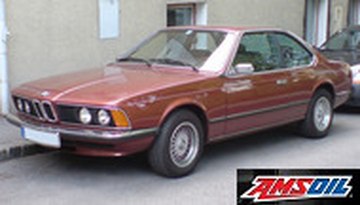




1980 BMW 633CSi Oil Change and Maintenance Guide
ABOUT THIS VEHICLE AND ENGINE
The 1980 BMW 633CSi is a notable representative of the E24 generation, a luxury grand tourer produced by BMW. This specific vehicle is powered by the M30 B32 engine, a 3.2L inline-six powerplant. The M30 engine family is well-recognized for its robust architecture and has been a cornerstone of BMW's longitudinal engine configurations for many years.
Maintaining a vehicle of this era requires an understanding of both its mechanical heritage and the specific needs of the 3.2L displacement. Proper care of the M30 B32 ensures that the engine continues to operate according to its design parameters, preserving the performance characteristics expected from this model year.
CHOOSING ENGINE OIL
Selecting the correct BMW 633CSi engine oil is a fundamental aspect of engine longevity. Because different operating conditions and engine wear levels may require different lubricant properties, it is essential to follow the vehicle-specific viscosity and application information already displayed on this webpage.
When choosing a lubricant, consider the following factors:
- Oil Type: You may choose between conventional mineral oils, synthetic oils, or synthetic blends. Synthetic oils often provide enhanced thermal stability and better resistance to oxidation compared to conventional formulations.
- API Certification: Ensure the oil meets current American Petroleum Institute (API) service classifications to guarantee a baseline of detergent and anti-wear properties.
- High-Mileage Formulations: For engines with higher odometer readings, some high-mileage oil formulations contain additives intended for use in aging engines, including seal-conditioning additives that may assist in maintaining the integrity of older gaskets.
- Protection: High-quality oils are designed to provide effective lubrication during cold starts and maintain a stable film strength under high operating temperatures.
WHY ENGINE OIL MAINTENANCE MATTERS
Regular engine oil changes are critical for the health of the M30 B32 engine. The primary function of engine oil is to reduce friction between moving internal components, which helps prevent premature wear on bearings and other critical surfaces. Beyond lubrication, the oil plays a vital role in heat management by helping to carry thermal energy away from high-temperature zones within the engine block.
Consistent maintenance also addresses contamination. Over time, engine oil can collect microscopic debris and combustion byproducts. If not replaced regularly, these contaminants can lead to the formation of sludge or deposits, which may impede the movement of internal parts. Maintaining fresh oil ensures that the engine remains clean and that lubrication reaches all necessary components effectively.
AGE-RELATED MAINTENANCE
As a 1980 model, the 633CSi requires a proactive approach to maintenance due to the natural aging of automotive materials. Owners should perform regular inspections of various systems to identify potential issues before they escalate.
Key areas for age-related inspection include:
- Gaskets and Seals: Inspect accessible gaskets and seals for signs of age-related seepage or leakage.
- Rubber Components: Check the condition of hoses and any visible belts. Rubber components can become brittle, cracked, or glazed over several decades.
- Cooling System: Periodically inspect the cooling system for leaks or signs of degradation in the hoses and connections.
- Electrical Integrity: Examine electrical connections and wiring for corrosion or insulation breakdown.
- Air Filtration: Ensure the air filtration system is clean to prevent debris from entering the engine intake.
- Ignition Components: If equipped, inspect age-sensitive ignition components and electrical connections to ensure reliable operation.
WHAT TO INSPECT DURING AN OIL CHANGE
A 1980 BMW 633CSi oil change provides an excellent opportunity to perform a broader visual inspection of the engine bay. When performing this service, consider checking the following:
- Sealing Areas: Inspect the oil-filter sealing area and the drain plug for any signs of weeping or active leaks.
- Hardware Condition: Check the condition of the drain plug sealing washer; replacing this washer is a standard practice to prevent leaks.
- Fluid Integrity: Look for any abnormal oil appearance that might suggest contamination.
- Drive Belts: If equipped, inspect accessible drive belts for cracking, fraying, or other signs of deterioration.
- Hoses and Connections: Check the condition of various hoses and look for evidence of leaks in the surrounding area.
- General Cleanliness: Look for signs of neglected maintenance, such as heavy sludge buildup or excessive grime, which can hide developing leaks.
OIL-RELATED WARNING SIGNS
While many issues are not immediately apparent, certain symptoms warrant closer investigation during 1980 BMW 633CSi maintenance. It is important to remember that symptoms can have multiple causes and should be investigated thoroughly.
- Unexplained Oil Loss: A noticeable drop in oil levels between service intervals may indicate a leak or other consumption issues.
- Visible Leakage: Puddles under the vehicle or oil spotting on engine components should be addressed.
- Burning Odors: An odor of burning oil can be associated with oil contacting hot engine surfaces.
- Unusual Engine Noise: Any new or abnormal mechanical noises coming from the engine may indicate a lubrication issue or component wear.
- Abnormal Oil Appearance: Significant discoloration or the presence of metallic particles in the oil warrants immediate attention.
VEHICLE HISTORY AND LONG-TERM OWNERSHIP
Owning a classic BMW like the 633CSi involves managing the history of the vehicle through diligent record-keeping. Maintaining detailed service records can be invaluable for tracking previous repairs and identifying patterns in maintenance needs.
For long-term ownership, it is practical to focus on the verification of replacement parts to ensure they meet the necessary standards for a 1980 model. Additionally, being mindful of age-sensitive rubber components and the overall condition of the cooling system can help prevent unexpected downtime. Identifying signs of previous neglect early in ownership allows for more controlled and predictable maintenance cycles.
MAINTAINING AN OLDER 1980 BMW 633CSi
Preventative inspection is the most effective tool for maintaining an older vehicle. As components age, the margin for error decreases, making regular checks of the service history and current component condition vital.
Focusing on the following can help maintain the vehicle's operational integrity:
- Leak Detection: Regularly checking for new or worsening leaks from seals and gaskets.
- System Integrity: Monitoring the cooling system and inspecting hoses to prevent overheating.
- Electrical and Ignition: Ensuring that wiring, connectors, and ignition components remain in good condition to prevent starting or running issues.
- Filtration: Keeping air filtration systems clean to protect the internal engine environment.
BUYING ENGINE OIL FOR THE 1980 BMW 633CSi 3.2L
When purchasing oil for your 1980 BMW 633CSi, prioritize quality and compatibility. Always match the engine oil to the application-specific viscosity information already displayed on this page.
To ensure the best results, select a reputable brand that offers appropriate API certification. Depending on your specific needs and the current condition of your M30 B32 engine, you may choose between conventional oil or more advanced synthetic and synthetic blend options. If you are operating an engine with higher mileage, consider high-mileage formulations that include seal-conditioning additives. The most important factor is ensuring that the lubricant matches the exact vehicle and engine application requirements specified for this 3.2L BMW engine.
