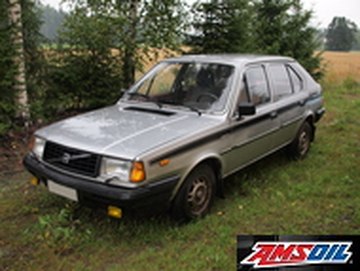
Lubrication Maintenance for the 1982 Volvo DL 2.1L
Maintaining a vehicle of this era requires a proactive approach to fluid management and mechanical inspection. For the 1982 Volvo DL equipped with the 2.1L engine, consistent attention to lubrication systems is a fundamental aspect of long-term ownership. Because older engines rely on precise tolerances and effective fluid properties to operate efficiently, understanding how to monitor and manage engine oil is essential for any owner or technician.
Monitoring Fluid Integrity and Condition
Regularly checking the condition of the engine oil provides significant insight into the overall health of the 2.1L power plant. Rather than simply looking at the level, an inspection of the lubricant's physical properties can reveal much about the internal environment. When performing a routine check, observe the color and texture of the oil on the dipstick.
While some discoloration is expected as oil ages and collects microscopic debris, significant changes in appearance warrant closer investigation. For instance, an extremely dark or gritty texture might suggest that service intervals have been exceeded, while an unusual smell could indicate something more complex. Furthermore, if the lubricant appears milky or cloudy, this can be associated with moisture or coolant entering the system, which requires immediate attention to prevent internal damage.
It is also useful to monitor for any signs of unexpected consumption. If you notice that the oil level is dropping more frequently than anticipated between service intervals, it may indicate a need to inspect various seals and gaskets for seepage. Identifying these changes early allows for much more controlled maintenance decisions rather than reacting to sudden mechanical issues.
Observing Potential Warning Signs
A vehicle's feedback systems and physical symptoms serve as the primary indicators that something requires investigation. For the 1982 Volvo DL, owners should be attentive to several specific signals during operation. If a warning light or indicator appears on the dashboard related to oil levels or pressure, it is critical to stop the engine and investigate immediately. These indicators are designed to alert you to conditions that could lead to rapid mechanical wear.
Beyond dashboard alerts, physical observations can be equally telling:
- Visible Seepage: Inspecting the area around the engine for any signs of wetness or fluid accumulation on the block or underside of the vehicle can help identify aging gaskets or seals that are no longer providing a perfect barrier.
- Exhaust Observations: While exhaust color can be influenced by many factors, certain types of smoke may indicate that oil is entering the combustion process, which warrants a thorough inspection of the engine's internal state.
- Mechanical Sounds: Any new or unusual noises coming from the engine compartment during startup or while idling should be investigated, as they can sometimes be linked to changes in lubrication effectiveness.
It is important to remember that these symptoms are not definitive diagnoses of a single failed part; rather, they are indicators that the vehicle's current operating condition has deviated from its normal baseline and requires professional assessment.
Prioritizing Maintenance as the Vehicle Ages
As a 1982 model continues to operate, maintenance priorities often shift from purely preventive measures to more condition-based monitoring. Instead of following a rigid schedule based solely on age, an effective strategy involves reviewing the vehicle's specific history and current physical state.
If you are managing a Volvo DL with incomplete service records, your first priority should be establishing a maintenance baseline. This can be done by performing a comprehensive inspection of all fluids, checking for active leaks, and verifying the condition of age-sensitive components like hoses or belts (if equipped). Once you understand the current state of the vehicle, you can better distinguish between necessary repairs and routine preventive tasks.
For owners of older vehicles, focusing on "active" issues is often more efficient than replacing parts that still appear to be in good condition. For example, addressing a small, slow seepage at a seal is generally more productive than replacing a component that shows no signs of wear. Keeping detailed records of every oil change, filter replacement, and observed leak will create a roadmap for future service, making it easier to spot trends in how the engine is aging.
Inspecting Peripheral Components
Engine lubrication does not exist in isolation; it is part of a larger ecosystem of belts, hoses, and electrical connections. During an oil service, it is practical to perform a broader visual inspection of the engine bay to ensure all supporting systems are intact.
If the vehicle is equipped with various drive belts, inspect them for signs of deterioration such as cracking, glazing, or fraying. Similarly, if there are visible hoses present in the vicinity of the engine, check them for softness, brittleness, or bulging. Even electrical connections and wiring harnesses should be checked for signs of corrosion or damage, as these can affect how sensors communicate engine status to the driver.
This holistic approach ensures that when you perform an oil change, you are also catching smaller issues that could eventually lead to more significant mechanical complications. A clean and well-organized engine bay also makes it much easier to spot new leaks or fluid changes in the future.
Effective Record Keeping for Long-Term Ownership
For a classic vehicle like the 1982 Volvo DL, documentation is one of the most valuable tools an owner possesses. A well-maintained logbook serves two purposes: it ensures that critical service tasks are not overlooked, and it provides a clear history for anyone performing future repairs.
A useful maintenance record should include more than just dates and mileages. It is beneficial to note the specific products used—such as the type of oil and filter part numbers—and any observations made during inspections. For instance, noting that "a small amount of seepage was observed near the valve cover" allows a technician months later to see if that issue has progressed or remained stable. This level of detail transforms a simple list of repairs into a diagnostic tool that helps manage the vehicle's longevity.
Buying Engine Oil for your 1982 Volvo DL 2.1L
When it is time to replenish the lubrication in your engine, the most important step is ensuring the product matches the specific requirements of your application. Because different engines have unique needs regarding chemical composition and flow characteristics, you should never rely on general assumptions based on the vehicle's age or size.
To select the correct lubricant for your 1982 Volvo DL 2.1L, match the engine oil to the application-specific viscosity information already displayed on this webpage. Before finalizing your purchase, always check the product labeling to confirm that it meets the appropriate API certification standards for your needs. Depending on your specific maintenance goals and the current condition of your engine, you may choose between conventional oils, synthetic blends, or full synthetic formulations. Some high-mileage oil formulations also contain additives intended for use in aging engines, including seal-conditioning additives. Always verify that the product you are buying aligns with the technical data provided in the application information above to ensure optimal performance and protection.