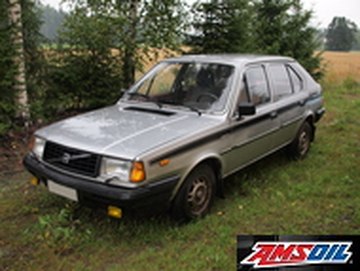
Maintaining Lubrication Standards for the 1982 Volvo DL 2.1L
Proper engine care for a vehicle of this era requires a focus on consistent monitoring and adherence to specific fluid requirements. For the 1982 Volvo DL equipped with the 2.1L B21F engine, maintaining the integrity of the lubrication system is a fundamental aspect of long-term mechanical health. Because older engines operate under different thermal and mechanical stresses than modern counterparts, owners should prioritize regular inspections and high-quality lubricant selection.
Monitoring Fluid Integrity and Potential Leaks
One of the most effective ways to monitor the condition of an engine is through frequent visual inspections. For a 1982 Volvo DL, this involves looking for any signs of fluid seepage or active leakage around the engine block and associated components. While some degree of minor seepage can occur as gaskets and seals age, significant wetness or dripping should be investigated promptly.
When performing these checks, consider the following:
- Surface Inspection: Look for oily residue on the exterior of the engine or on the underside of the vehicle.
- Seal Condition: Inspect accessible gaskets and seals for signs of age-related degradation. If any area appears heavily saturated with oil, it may indicate a need for further diagnostic attention.
- Fluid Appearance: Periodically check the color and consistency of the engine oil. While oil naturally darkens over time due to use, extremely thick or unusual textures can be an indicator of contamination or excessive heat exposure.
Identifying these signs early allows for more controlled maintenance decisions rather than reacting to unexpected mechanical issues. If you notice a sudden increase in lubricant consumption or see evidence of pooling, it is important to determine the source through a thorough inspection.
Managing Maintenance Records and Baselines
For owners of a 1982 Volvo DL, establishing a clear maintenance history is invaluable. If you have recently acquired this vehicle, your first priority should be to establish a baseline for its current condition. This involves reviewing any available service records to understand what has been replaced or serviced in the past.
If documentation is incomplete, performing a comprehensive inspection of all fluids and major engine components can help create a new starting point. Keeping a detailed log of every oil change, filter replacement, and observed leak provides a roadmap for future service. This record-keeping helps distinguish between routine maintenance needs and emerging issues that may require more significant attention. By tracking how the vehicle responds to different lubricants or parts over time, you can make more informed decisions regarding its long-term care.
Observing Potential Warning Signs
While many engine issues develop gradually, certain symptoms warrant immediate investigation. It is important to remember that a single symptom can be associated with various underlying causes, so diagnostic caution is necessary.
Potential indicators that the lubrication system requires attention include:
- Unusual Noises: Any new mechanical sounds coming from the engine area should be evaluated.
- Changes in Consumption: If you find yourself needing to add oil more frequently than previously recorded, this change in consumption pattern warrants an inspection of the engine's seals and internal components.
- Visual Indicators: While exhaust characteristics can vary based on many factors, any significant changes should be noted during routine service.
If a warning light or indicator appears on the dashboard, do not ignore it. Such signals are designed to alert you to conditions that could potentially impact engine safety and longevity. Always treat these indicators as a prompt for professional verification.
Prioritizing Service Tasks as the Vehicle Ages
As a 1982 Volvo DL continues to operate, maintenance priorities may shift from purely preventive tasks to condition-based monitoring. Rather than following a rigid schedule based solely on the age of the vehicle, it is often more effective to prioritize tasks based on the actual state of the mechanical components.
Effective prioritization involves:
- Addressing Active Issues: If an inspection reveals an active leak or a component showing signs of wear, these should take precedence over non-essential aesthetic or secondary maintenance.
- Monitoring Aging Materials: Components such as hoses and belts (if equipped) should be inspected for cracking, glazing, or fraying. Replacing these items before they fail is a key aspect of preventive care.
- Evaluating Fluid Condition: If the engine oil shows signs of rapid degradation or contamination, adjusting the frequency of changes based on actual usage may be necessary.
By focusing on the current condition of the 2.1L B21F engine, you can ensure that maintenance efforts are directed where they will provide the most benefit to the vehicle's continued operation.
Practical Considerations for Engine Lubrication
The lubrication system performs several critical roles within the engine. Beyond simply reducing friction between moving parts, the oil helps manage heat and assists in cleaning the internal environment by carrying away microscopic debris. In an older engine like the one found in the 1982 Volvo DL, the ability of the lubricant to maintain its properties under thermal stress is vital.
When selecting a lubricant, consider how it interacts with the specific requirements of your engine. Some formulations are designed with additives intended for use in aging engines, which may include seal-conditioning agents. These can be useful for maintaining the flexibility of older gaskets and seals. However, the primary goal remains finding a product that provides stable protection and effective deposit control throughout the service interval.
Buying Engine Oil for your 1982 Volvo DL 2.1L
When you are ready to purchase new lubricant, it is essential to match the oil to the application-specific information provided on this page. Do not rely on general automotive knowledge or assumptions based on the vehicle's age to select a viscosity; instead, always refer to the specific requirements listed in the technical data above.
To ensure you are making an informed purchase, follow these steps:
- Verify Viscosity: Match your selection exactly to the vehicle-specific oil viscosity information shown on this webpage.
- Check API Certification: Ensure the product carries a current and appropriate API certification to guarantee it meets modern quality standards for lubrication and engine protection.
- Evaluate Formulations: Depending on your specific needs, you may choose between conventional, synthetic blend, or full synthetic oils. If the engine shows signs of high mileage, you might consider formulations that include seal-conditioning additives.
- Inspect the Label: Always double-check the product packaging against the application details provided here to confirm a correct match before completing your purchase.