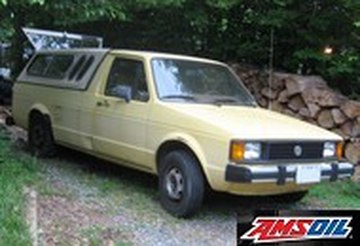
Lubrication Maintenance for the 1982 Volkswagen PICKUP 1.7L
Maintaining the engine lubrication system in a 1982 Volkswagen PICKUP with the 1.7L [B] EN engine is a fundamental aspect of long-term vehicle care. Proper oil management ensures that internal components remain protected against friction and heat, which is essential for preserving the mechanical integrity of an older engine. Because this vehicle has been in operation for several decades, maintenance strategies should focus on consistent monitoring and responding to the actual condition of the engine rather than relying solely on generic age-based assumptions.
Monitoring Fluid Condition and Consumption
One of the most effective ways to monitor the health of your 1.7L engine is to pay close attention to how the oil behaves between service intervals. Changes in the appearance or volume of the lubricant can provide important clues about the engine's internal state. For instance, if you notice a significant increase in the amount of oil required to reach the proper level, it may indicate that the engine is consuming more lubricant than usual. Such changes warrant a closer inspection to determine why the fluid is being used.
The color and texture of the oil can also be telling. While oil naturally darkens over time due to heat and use, an extremely rapid change in color or the presence of unusual textures might suggest that the lubricant is not performing its intended role effectively. Additionally, if you observe any unusual mechanical noises during startup or while the engine is idling, these can sometimes be associated with changes in lubrication quality or levels. It is important to remember that symptoms like noise or consumption can have multiple underlying causes, so they should be investigated thoroughly rather than diagnosed from a single observation.
Observing Potential Signs of Seepage
As vehicles age, the various seals and gaskets that contain fluids may undergo changes in their ability to maintain a tight seal. For a 1982 Volkswagen PICKUP, performing regular visual inspections around the engine area is a practical maintenance habit. You should look for any evidence of fluid seepage or wetness on the exterior of the engine block or surrounding components. Even small amounts of oil residue can accumulate over time and may eventually lead to more significant leaks if left unaddressed.
When conducting these inspections, it is helpful to check:
- The area around various gaskets and seals for signs of age-related seepage.
- The condition of any visible connections or mounting points where fluids are contained.
- The cleanliness of the underside of the engine to identify if any fluid is dripping onto other components.
Prioritizing Maintenance Based on Current Condition
For owners of an older 1.7L engine, the most effective way to manage maintenance is to prioritize tasks based on the actual, current state of the vehicle. If you are stepping into ownership of this Volkswagen PICKUP without a complete service history, your first goal should be to establish a baseline. This involves performing a thorough inspection of all fluids and checking for any active leaks or signs of previous neglect.
Once a baseline is established, maintenance priorities should shift toward addressing the most pressing needs first. For example, if an active leak is identified or if the oil shows signs of heavy contamination, these issues should take precedence over general preventive tasks. Keeping a detailed log of every oil change, filter replacement, and observed fluid level is highly beneficial. These records allow you to track changes in how the engine operates over months and years, making it much easier to spot trends—such as a gradual increase in oil consumption or a change in how the engine responds to different lubricants.
Managing Aging Engine Components
While many maintenance tasks are routine, an older vehicle requires a slightly more observant approach toward its various components. Beyond just the oil, other parts of the engine compartment may show signs of wear due to time and thermal cycles. If equipped, inspect accessible drive belts for any evidence of cracking, glazing, or fraying. Similarly, if the vehicle is equipped with various hoses, check them for signs of brittleness or softening.
Electrical connections and wiring should also be inspected periodically for signs of corrosion or deterioration. Maintaining a clean engine environment can also assist in these inspections, as it makes it much easier to spot new leaks or cracks that might otherwise be hidden by accumulated grime. By focusing on the condition of these components rather than simply replacing them based on their age, you can practice a more efficient and practical approach to long-term ownership.
The Role of Lubrication in Engine Health
Engine oil performs several vital roles that are necessary for the continued operation of the 1.7L engine. Primarily, it provides a thin film between moving parts to reduce friction, which helps prevent premature wear. Beyond simple lubrication, the fluid also plays a role in heat management by helping to carry thermal energy away from high-temperature areas within the engine. Furthermore, modern oil formulations are designed with additives that help manage contaminants and prevent the buildup of deposits that can occur during the combustion process.
Maintaining the correct quality of lubricant is essential for these functions to work as intended. As the oil undergoes thermal stress and interacts with combustion byproducts, its chemical properties can change. This is why regular service is necessary—to ensure that the fluid remains capable of protecting the engine from friction, managing heat, and keeping internal surfaces clean.
Buying Engine Oil for your 1982 Volkswagen PICKUP 1.7L
When it is time to replenish your engine's lubricant, the most important step is to ensure that the product you select matches the specific requirements of your application. To avoid errors, do not rely on general automotive knowledge or assumptions based on the age of the vehicle. Instead, match the engine oil to the application-specific viscosity information already displayed on this webpage.
Before making a purchase, carefully check the product labeling to verify that the oil meets the appropriate quality standards and certifications. Depending on your specific needs and the current condition of your engine, you may encounter various options, including conventional oils, synthetic blends, or full synthetic formulations. Some high-mileage oil formulations also contain additives intended for use in aging engines, such as seal-conditioning additives. Always prioritize the viscosity and specifications provided in the application information above to ensure the best possible care for your 1.7L engine.