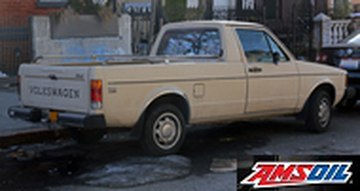
Engine Lubrication and Maintenance for the 1981 Volkswagen PICKUP 1.7L
Maintaining the mechanical integrity of a 1981 Volkswagen PICKUP requires a disciplined approach to routine service. For vehicles of this era, consistent attention to lubrication systems is one of the most effective ways to manage long-term engine health. Because these vehicles have been in operation for several decades, maintenance strategies often shift from simple scheduled changes to more detailed condition-based monitoring.
Monitoring Fluid Integrity and Potential Seepage
A primary component of routine service involves a thorough visual inspection of the engine area to identify any signs of fluid loss. Over time, various gaskets and seals may experience changes in their ability to maintain a tight seal due to heat cycles and age. When performing regular checks, it is useful to look for:
- Evidence of oily residue or seepage around sealing surfaces.
- Drips or stains on the ground beneath where the vehicle is parked.
- Changes in the level of fluids during routine checks.
If any signs of leakage are observed, they should be investigated promptly. It is important to note that a visible stain does not always point to a single specific component; rather, it serves as an indicator that a seal or gasket may require attention. Addressing minor seepage early can prevent more significant issues later in the vehicle's service life.
Observing Changes in Engine Performance and Appearance
Beyond visual inspections of the exterior engine components, owners should remain attentive to how the vehicle operates during daily use. Subtle changes in behavior can often serve as early indicators that maintenance is required. For instance, if you notice unusual mechanical noises or a change in how the engine sounds while idling or under load, these symptoms warrant further investigation.
Additionally, monitoring exhaust characteristics and fluid appearance is helpful. While many factors can influence exhaust color or smell, any sudden or persistent changes should be noted. Similarly, when checking the oil, pay attention to its color and consistency. If the lubricant appears excessively dark, gritty, or shows signs of contamination, it may indicate that the current service interval has been exceeded or that other engine components require inspection.
Always remember that symptoms like unusual noises or odors can have multiple underlying causes. Rather than attempting a self-diagnosis, use these observations as a prompt to perform a more detailed inspection or to consult professional service guidance.
Prioritizing Maintenance Based on Current Condition
For an older vehicle like the 1981 Volkswagen PICKUP, maintenance priorities should be dictated by the actual condition of the machine rather than just the passage of time. If you are stepping into ownership of a vehicle with an incomplete service history, establishing a baseline is a logical first step.
This process involves reviewing any available repair records and then performing a comprehensive inspection of all major service points. If documentation is unavailable, treat the vehicle as if it requires a thorough assessment of its current state. Focus on addressing active concerns—such as visible leaks or overdue fluid changes—before moving on to purely preventive measures. This approach ensures that resources are directed toward the most immediate needs of the 1.7L engine.
As the vehicle continues to age, keep a detailed log of all completed services, including the dates and the specific products used. This record-keeping becomes an invaluable tool for distinguishing between necessary repairs and unnecessary parts replacement, helping you make informed decisions about the long-term care of the pickup.
Managing Aging Engine Components
As mechanical components age, they may exhibit different characteristics than when they were new. When inspecting the 1981 Volkswagen PICKUP, it is wise to look at various peripheral systems that support engine operation. If equipped, inspect accessible drive belts for signs of wear such as cracking, glazing, or fraying. Similarly, if the vehicle is equipped with various hoses, check them for brittleness or soft spots that might indicate a loss of structural integrity.
Electrical connections and wiring should also be inspected for signs of corrosion or insulation degradation. Even if these components appear functional, a periodic check can help prevent unexpected interruptions in service. By focusing on the condition of these materials rather than assuming they have reached an end-of-life stage, you can implement maintenance that is both proactive and efficient.
The Role of High-Mileage Lubricant Formulations
When managing an engine that has seen significant years of service, you may encounter different types of oil formulations. Some high-mileage oil formulations contain additives intended for use in aging engines. These specialized products often include seal-conditioning additives designed to help maintain the flexibility of various gaskets and seals.
While these formulations can be a useful tool in a maintenance strategy, they are not a substitute for addressing significant mechanical leaks. They are best viewed as part of a broader approach to managing an older engine's lubrication needs. Whether you choose a conventional, synthetic blend, or full synthetic lubricant depends on the specific requirements of your application and your personal maintenance goals.
Practical Guidance for BUYING ENGINE OIL for your 1981 Volkswagen PICKUP 1.7L
Selecting the correct lubricant is essential for the continued operation of the 1.7L engine. When you are ready to purchase new oil, do not rely on general automotive knowledge or assumptions based on the vehicle's age. Instead, match the engine oil to the application-specific viscosity information already displayed on this webpage.
Before completing your purchase, follow these practical steps:
- Verify that the product you are buying matches the specific viscosity requirements listed in the application information above.
- Check the product label to ensure it meets the appropriate API certification for your needs.
- Consider whether a conventional, synthetic blend, or full synthetic formulation is most suitable for your specific driving habits and engine condition, while always prioritizing the viscosity specified in the database record.
- If you are opting for a high-mileage formulation, ensure it aligns with the technical specifications provided for this vehicle.
By strictly adhering to the application-specific data provided on this page, you ensure that the lubrication you provide is appropriate for the unique requirements of your 1981 Volkswagen PICKUP.