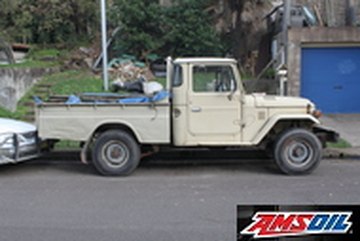
Maintenance Guidance for the 1983 Toyota LAND CRUISER 3.4L
Maintaining an auto-and-light-truck like the 1983 Toyota LAND CRUISER requires consistent attention to fluid levels and cooling system integrity. Because this vehicle utilizes a 3.4L engine, following specific guidance regarding coolant and lubrication is essential for long-term operation.
What coolant does my 1983 Toyota LAND CRUISER 3.4L take?
For the cooling system of this vehicle, the following products are listed: ANTPC1G-EA Passenger Car & Light Truck Antifreeze & Coolant and ANT1G-EA Low Toxicity Antifreeze and Engine Coolant.
Engine Oil Maintenance Considerations
Regularly monitoring engine oil is a fundamental aspect of vehicle upkeep. For the 3.4L engine in this Land Cruiser, checking the oil level frequently helps identify potential consumption or leaks before they lead to mechanical issues. While specific viscosity grades are not provided in the database for this application, it is important to ensure that any oil used aligns with the manufacturer's requirements found in the owner's manual.
When performing an oil change, inspect the area around the oil filler cap and the drain plug for signs of seepage. Maintaining a clean engine environment can assist in spotting these small leaks early. Always refer to the manufacturer's maintenance schedule to determine when the next service is due.
Cooling System Inspection
Beyond selecting the listed antifreeze products, the physical condition of the cooling system should be inspected regularly. Check the radiator hoses for signs of softening, cracking, or bulging. Inspect the radiator cap and the expansion tank for any debris or buildup that could impede the flow of coolant through the 3.4L engine.
If you notice a drop in coolant levels, investigate the system for leaks at the water pump, thermostat housing, or radiator connections. Maintaining the correct coolant mixture is vital for temperature regulation within the engine block and radiator.
Fluid Level Monitoring
A proactive approach to maintenance involves checking all essential fluids during routine inspections. This includes not only engine oil and coolant but also any other fluids necessary for the operation of the light truck's systems. Low fluid levels can lead to increased friction, overheating, or component wear.
Use the appropriate dipsticks and reservoir markings to verify that levels are within the expected range. If you find that a fluid level is consistently dropping between service intervals, it may indicate a leak or an internal consumption issue that requires professional attention.
Filter and Component Care
While specific filter part numbers are not listed for this 1983 Toyota LAND CRUISER, the general principle of replacing filtration components according to the manufacturer's schedule is critical. Filters are designed to remove contaminants from the engine oil, ensuring that the lubrication remains effective throughout its service life.
Contaminated oil can lead to increased wear on internal engine components. By adhering to the maintenance intervals specified in the owner's manual, you help ensure that the filtration system is functioning as intended to protect the 3.4L engine.
General Maintenance Scheduling
The most reliable way to manage the upkeep of this vehicle is to follow the manufacturer's official maintenance schedule. This schedule provides the necessary timing for oil changes, coolant flushes, and various inspections tailored to the specific needs of the 1983 Toyota LAND CRUISER.
Relying on the owner's manual ensures that you are not performing service too frequently or, more importantly, neglecting critical intervals. Consistent adherence to these guidelines helps maintain the operational integrity of the vehicle over time.
What oil filter does my 1983 Toyota LAND CRUISER 3.4L need?
The following oil filter is listed for this vehicle:
- EAO15-EA — AMSOIL Ea Oil Filters
BUYING ENGINE OIL
When you are ready to purchase lubrication for your engine, consult your owner's manual to identify the specific requirements for your 3.4L engine. Ensure that any product you select is available in the correct formulation for your specific application. Check the packaging of the oil to confirm it matches the manufacturer's guidance before completing your purchase.