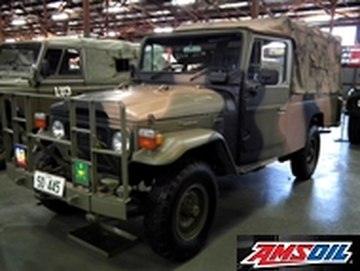
Maintaining Lubrication Integrity for the 1982 Toyota LAND CRUISER 4.2L Diesel
Owning a classic diesel vehicle like the 1982 Toyota Land Cruiser requires a proactive approach to mechanical stewardship. Because the 4.2L diesel engine relies on consistent lubrication to manage the high internal pressures and thermal loads inherent to diesel combustion, routine monitoring is essential for long-term operational health. Maintaining this vehicle involves more than just following a calendar; it requires an observant eye for how fluids and components behave under various operating conditions.
Monitoring Fluid Condition and Potential Seepage
A primary aspect of maintaining an older diesel engine is the regular inspection of all sealing surfaces. Over time, gaskets and seals may undergo changes in elasticity due to heat cycles and age. It is beneficial to perform periodic visual inspections around the engine block and accessory mounting points to look for any signs of fluid seepage or active leaks. Identifying a small amount of moisture or oil residue early can prevent more significant issues later.
When conducting these inspections, pay close attention to the following areas:
- Sealing Surfaces: Look for dampness around various engine junctions and covers.
- Drain Areas: Check that the area around the oil drain plug and filter mounting area remains clean and free of heavy accumulation.
- External Connections: Inspect any visible connections or fittings for signs of weeping.
If you notice a change in the appearance of the lubricant—such as an unusual color, a strong odor, or a significant change in texture—this warrants investigation. Such changes can be associated with various factors, including contamination or the breakdown of the lubricant's chemical properties.
Observing Operational Indicators
Beyond visual inspections of the engine exterior, paying attention to how the vehicle operates provides critical feedback regarding its internal health. Diesel engines have distinct operating characteristics, and any deviation from the norm should be noted. For instance, if you observe unusual mechanical noises during startup or while idling, it may indicate that lubrication is not reaching specific components as effectively as intended.
Changes in exhaust characteristics can also serve as a signal for further inspection. While different operating modes can produce various exhaust profiles, any sudden or persistent change in smoke color or density should be investigated to rule out issues related to combustion efficiency or internal engine health. It is important to remember that many symptoms, such as an unusual odor or noise, can have multiple underlying causes; therefore, they should be treated as prompts for a professional diagnostic check rather than definitive proof of a specific component failure.
Prioritizing Maintenance Through Documentation
For long-term owners of a 1982 Toyota Land Cruiser, establishing a clear maintenance baseline is one of the most effective ways to manage the vehicle's aging process. If you have inherited the vehicle without a complete service history, your first priority should be to document its current state. This involves recording the dates and details of all recent fluid changes, filter replacements, and any repairs performed.
Maintaining a detailed log allows you to:
- Track Trends: Recognize if the engine is consuming more lubricant over time or if leaks are progressing.
- Identify Patterns: Determine if certain components require more frequent attention than others.
- Distinguish Needs: Help differentiate between necessary preventive maintenance and unnecessary parts replacement by having a factual history of what has already been addressed.
When service records are incomplete, focus on addressing active concerns first—such as visible leaks or changes in fluid condition—before moving into broader preventive measures. This condition-based approach ensures that your maintenance efforts are directed where they are most needed.
Managing Aging Engine Components
As a vehicle reaches several decades of age, certain materials naturally become more sensitive to environmental and mechanical stress. When inspecting the 4.2L diesel engine, it is wise to look at components that may be subject to heat and vibration. If equipped, inspect accessible drive belts for signs of cracking, glazing, or fraying. Similarly, if present, check the condition of various hoses to ensure they remain pliable and free of bulges or significant hardening.
Electrical integrity is another area worth monitoring. Inspecting wiring harnesses and electrical connectors for signs of corrosion or brittle insulation can help prevent intermittent issues. By focusing on these aging materials through regular, non-invasive inspections, you can move from a reactive mindset to one of informed, preventive care.
Effective Lubricant Management Strategies
The quality and consistency of the engine oil are fundamental to the longevity of the 4.2L diesel powerplant. Because diesel engines operate under high compression, the lubricant must maintain its structural integrity under significant thermal stress. Some high-mileage oil formulations contain additives intended for use in aging engines, including seal-conditioning additives that may assist in maintaining the pliability of older gaskets.
When managing your oil service, consider the following:
- Contamination Control: Regular changes help prevent the buildup of combustion byproducts and other contaminants that can degrade the lubricant's ability to protect engine components.
- Thermal Stability: Ensuring the lubricant is capable of resisting oxidation at operating temperatures is vital for preventing the formation of deposits.
- Consistency: Avoid making sudden, drastic changes in lubricant type without understanding how it interacts with your specific engine's current condition and wear patterns.
Practical Guidance for Buying Engine Oil for your 1982 Toyota LAND CRUISER 4.2L
When you are ready to replenish the lubrication in your vehicle, the most important step is to match the product to the specific requirements of your engine. Do not rely on general assumptions about diesel oils or the age of the vehicle to make your selection. Instead, refer directly to the application-specific viscosity and lubricant information provided on this webpage.
Before completing your purchase, always verify that the product label matches the required specifications for your 4.2L diesel engine. You may choose between conventional, synthetic blend, or full synthetic formulations depending on your maintenance goals and the information displayed above. If you are managing an engine with higher mileage, you might consider high-mileage formulations, but always ensure they meet the necessary quality standards for a diesel application. By strictly adhering to the viscosity and specification data listed in the application information on this page, you ensure that your 1982 Toyota Land Cruiser receives the correct protection.