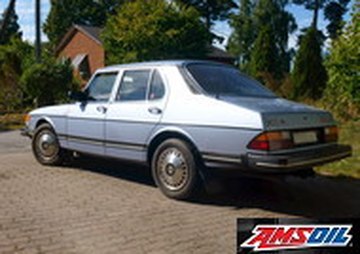
Maintaining Lubrication Integrity for the 1980 Saab 900 2.0L
Owning a classic vehicle like the 1980 Saab 900 requires a shift in mindset from modern, computerized maintenance to a more observant, hands-on approach. For the 1985cc Turbo engine, consistent attention to lubrication is a fundamental aspect of preserving the mechanical health of the powerplant. Because this era of automotive engineering relies on precise tolerances and specific fluid properties, understanding how to monitor and maintain your engine oil is essential for long-term operation.
Monitoring Fluid Condition and Consumption
One of the most effective ways to stay ahead of potential issues is to regularly observe the behavior of the engine oil. Rather than waiting for a warning light or a mechanical symptom, an owner can proactively monitor several indicators during routine checks. Changes in how the vehicle uses oil can be early indicators that something requires investigation.
If you notice a change in the amount of oil required between service intervals, it warrants closer inspection. While some level of consumption is expected as engines age, significant changes should not be ignored. Additionally, pay attention to the physical appearance of the lubricant when checking the dipstick. If the oil appears excessively dark, gritty, or shows signs of unusual discoloration, it may indicate that the fluid is no longer providing the necessary protection or that there is internal contamination occurring.
Unusual mechanical noises can also be associated with lubrication concerns. While sounds can stem from many different sources, any new or persistent noise that seems to correlate with changes in oil temperature or engine load should be investigated by a professional. It is always better to address a subtle change in sound early than to wait for a more significant event.
Observing Potential Seepage and External Leaks
As vehicles age, the various seals and gaskets that contain fluids can undergo changes due to heat cycles and time. For the 1980 Saab 900, maintaining a clean engine bay can actually assist in maintenance by making it easier to spot signs of fluid movement.
When performing inspections, look for evidence of seepage around sealing surfaces. This might appear as a damp area on the engine block or a light coating of oil on various components. It is important to distinguish between minor surface seepage and an active leak that is dripping onto the ground. If you find fresh oil spots on your driveway or garage floor, this is a clear sign that a seal or gasket may no longer be performing its intended function.
Regularly inspecting the area around the drain plug and the filter mounting area can also prevent unnecessary messes. Ensuring these components are seated correctly and that the sealing surfaces are clean during every service helps maintain a reliable barrier against leaks. If you observe any signs of fluid escaping from areas where it should be contained, plan an inspection to identify the specific source.
Prioritizing Maintenance Through Documentation
For many owners of classic turbocharged engines, the most valuable tool in their maintenance arsenal is a detailed service history. Establishing a baseline of how your 1980 Saab 900 has been treated allows you to make much more informed decisions about future repairs and preventive measures.
If you have recently acquired this vehicle and the previous service records are incomplete, your first priority should be to establish a new maintenance baseline. This involves performing a thorough inspection of all fluids, filters, and aging components to determine their current state. Once you know the condition of the engine oil, the cooling system, and other vital fluids, you can begin keeping your own meticulous logs.
Keeping a record of every oil change, including the date, mileage, and the specific products used, provides a roadmap for the vehicle's health. This documentation is particularly useful when trying to determine if a new symptom is a sudden development or part of a gradual trend. Furthermore, knowing exactly when certain components were last serviced helps you prioritize what needs attention next, allowing you to focus on active needs rather than guessing based solely on the age of the car.
Managing Aging Components and Systems
Maintenance for a vehicle from 1980 should be driven by the actual condition of the parts rather than just the calendar. While some components naturally degrade over time, an inspection-based approach ensures you are not replacing perfectly functional parts while potentially overlooking those that are nearing the end of their service life.
When inspecting the engine compartment, look at all accessible rubber and plastic components. If present, inspect hoses for signs of hardening, cracking, or excessive softness. Similarly, if the vehicle is equipped with various drive belts, check them for glazing, fraying, or cracks in the ribs. These materials are sensitive to the heat generated by the engine and can become brittle over many years.
Electrical connections and wiring should also be monitored. Ensure that connectors are secure and that there is no evidence of corrosion or fraying in the insulation. Even small amounts of oxidation on a terminal can lead to unexpected electrical behavior. By combining these visual checks with your regular fluid monitoring, you create a comprehensive strategy for managing the aging processes inherent in a classic vehicle.
Effective Strategies for Long-Term Engine Care
To ensure the longevity of the 1985cc Turbo engine, maintenance should be viewed as a continuous process of observation and response. Rather than performing large, infrequent overhauls, aim for consistent, smaller interventions. This approach helps catch minor issues—such as a slow leak or a slight change in oil quality—before they escalate into more expensive mechanical problems.
Focus on the following priorities to maintain a healthy engine:
- Address active concerns first: If you notice an active leak or a warning sign, make that your immediate priority before moving on to general preventive maintenance.
- Monitor fluid consumption: Keep a close eye on how much oil the engine uses between services to detect internal changes early.
- Use condition-based inspections: Use your eyes and ears to judge the state of belts, hoses, and seals rather than relying solely on age-based assumptions.
- Maintain thorough records: A well-documented history is the best way to track trends and manage the long-term needs of a classic Saab.
Practical Advice for Buying Engine Oil for your 1980 Saab 900 2.0L
When it is time to replenish your engine's lubrication, the most important step is to ensure the product you select matches the specific requirements of your application. Because different engines have unique needs regarding thermal stability and additive packages, you should never rely on general automotive knowledge or assumptions based on the vehicle's age.
Always refer to the application-specific oil viscosity and information provided on this webpage before making a purchase. The details listed here are tailored to your specific 1980 Saab 900 2.0L engine configuration. When you are at the store or ordering online, verify that the product label matches the viscosity and specifications shown in the application data above.
You may encounter various formulations, including conventional, synthetic blends, and full synthetics. Some high-mileage oil formulations contain additives intended for use in aging engines, which may be a consideration depending on your engine's current condition. Regardless of the formulation you choose, ensure the product meets the appropriate API certification listed in your vehicle information. By matching your purchase directly to the data provided on this page, you ensure that you are providing the correct level of protection for your engine.