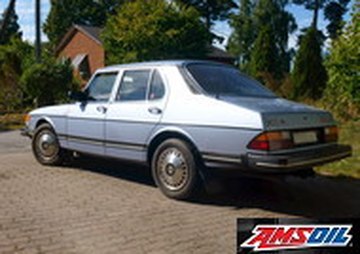
Maintaining Lubrication Integrity for the 1980 Saab 900 2.0L
Proper engine care for a vehicle like the 1980 Saab 900 2.0L involves more than just following a schedule; it requires an observant approach to how various systems interact over time. Because this vehicle utilizes a 1985cc engine, maintaining the correct lubrication environment is essential for managing the mechanical stresses inherent in its operation.Monitoring Fluid Condition and Potential Seepage
A proactive maintenance strategy begins with regular visual inspections of the engine bay. For an owner of a 1980 Saab 900, identifying changes in the environment around the engine can prevent more significant issues later. Rather than waiting for a visible puddle to form on the driveway, it is more effective to look for signs of seepage or dampness on various engine components and sealing surfaces. When performing routine checks, inspect the areas where gaskets and seals meet engine components. Signs of age-related seepage may appear as dark, oily residue or a slight film on the exterior of the engine block or near connection points. If you notice such residues, it warrants closer inspection to determine if they are active leaks or merely old, dried accumulation. Additionally, checking the condition of any visible hoses or electrical connections can provide a broader picture of the engine's current state. While these components are separate from the lubrication system, their integrity is vital to the overall health and thermal management of the 2.0L engine.Interpreting Changes in Engine Behavior
It is important to recognize that certain symptoms may indicate a need for professional investigation. If you notice changes in how the vehicle operates, these should not be dismissed. For example, an unusual mechanical noise or a change in the way the engine sounds during startup or idling can sometimes be associated with lubrication levels or quality. Similarly, if you observe any unexpected exhaust smoke or notice that the vehicle seems to be consuming more lubricant than usual between service intervals, these are indicators that require attention. It is vital to remember that symptoms like these can have multiple causes; they do not automatically point to a single failed component. Instead, they serve as prompts to investigate further, perhaps by checking fluid levels or examining the engine's overall operating temperature and performance.Prioritizing Long-Term Engine Care
As vehicles age, maintenance priorities often shift from strictly following a calendar to responding to the actual condition of the machine. For the 1980 Saab 900, establishing a baseline is an excellent way to manage long-term ownership. If you do not have access to a complete service history, your first priority should be to document the current state of all fluids and the general cleanliness of the engine compartment. Once a baseline is established, you can better identify deviations. This might involve:- Reviewing any available maintenance records to see when components were last serviced.
- Monitoring for any new or increasing signs of fluid seepage.
- Noticing if there are changes in the frequency with which you need to check lubricant levels.
- Distinguishing between necessary repairs and preventive measures based on the actual wear observed during inspections.
The Role of Lubrication in Engine Health
Engine oil performs several vital roles that are necessary for the continued operation of the 1985cc engine. Beyond simply reducing friction between moving parts, the lubricant plays a significant role in heat management by helping to carry thermal energy away from high-temperature areas within the engine. Furthermore, the quality of the oil is critical for managing internal contaminants. Over time, the combustion process and general engine operation can introduce microscopic particles into the lubricant. A high-quality oil with effective deposit control properties helps to keep these contaminants in suspension, preventing them from forming sludge or other deposits that could interfere with mechanical movement. Maintaining clean, fresh lubricant ensures that these protective functions are performed effectively throughout the service interval.Managing Aging Components and Materials
For a vehicle of this era, it is wise to be mindful of how aging materials behave. While many components are designed for longevity, rubber-based items like hoses or belts (if equipped) can undergo changes in flexibility or texture over several decades. When conducting inspections, look for evidence of cracking, glazing, or fraying on any accessible drive belts. Similarly, inspect hoses for signs of softening, hardening, or swelling. While these components are not part of the lubrication system itself, their failure can lead to secondary issues, such as overheating, which in turn affects the viscosity and effectiveness of your engine oil. A holistic approach to maintenance—where you monitor both the lubrication and the supporting systems—is the most effective way to ensure the longevity of the 1980 Saab 900.Practical Advice for Buying Engine Oil for a 1980 Saab 900 2.0L
When it is time to replenish your lubricant, the most important step is to match the product to the specific requirements of your engine. Do not rely on general automotive knowledge or assumptions based on the vehicle's age to select a grade. Instead, always refer to the application-specific oil viscosity and information provided on this webpage. When you are ready to purchase, consider the following:- Verify the Label: Always check the product packaging to ensure the SAE viscosity matches the information listed for your specific 2.0L engine.
- Consider Formulations: Depending on your engine's current condition and mileage, you may choose between conventional, synthetic blends, or full synthetic oils. Some high-mileage oil formulations also contain additives intended for use in aging engines, including seal-conditioning additives.
- Check Certifications: Ensure the oil meets the appropriate API service classifications to provide the necessary level of protection and deposit control.