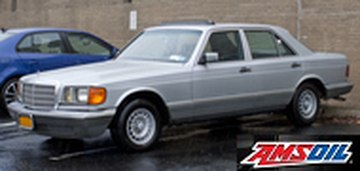
Engine Maintenance for the 1983 Mercedes Benz 300SD 3.0L
Maintaining a vintage diesel engine requires consistent attention to fluid integrity and cooling system health. For owners of the 1983 Mercedes Benz 300SD with the 3.0L engine (617.951 Diesel Turbo), following specific fluid guidelines is essential for long-term mechanical stability.
What coolant does my 1983 Mercedes Benz 300SD 3.0L take?
For this vehicle, the following coolant options are listed: ANTPC1G-EA Passenger Car & Light Truck Antifreeze & Coolant and ANT1G-EA Low Toxicity Antifreeze and Engine Coolant.
Engine Oil Viscosity Options
When selecting engine oil for the 3.0L diesel engine, it is important to use a viscosity that meets the requirements of the application. For this specific vehicle, the database allows for the following SAE viscosities: 5W-40 and 0W-40. Using an appropriate weight helps ensure the lubrication system functions correctly across various operating temperatures.
Monitoring Engine Oil Levels
Regularly checking the engine oil level is a fundamental maintenance task. Because diesel engines operate under high compression and thermal loads, maintaining the correct volume of oil is necessary to prevent premature wear on internal components. Owners should check the dipstick when the engine is cold and parked on a level surface to get an accurate reading. If the oil level appears low, it should be topped off with an oil that matches the required viscosity.
Cooling System Maintenance
The cooling system plays a vital role in regulating the temperature of the 3.0L engine. Beyond selecting the correct antifreeze or coolant, such as the ANTPC1G-EA or ANT1G-EA options listed, owners should inspect the entire system for leaks or signs of degradation. A well-maintained cooling system prevents overheating, which can lead to significant engine damage. Periodically inspecting hoses, the radiator, and the water pump ensures that the coolant remains circulating effectively through the engine block.
Understanding Oil Contamination
Diesel engines can sometimes exhibit specific oil characteristics due to their combustion process. It is important to monitor the appearance and smell of the engine oil during routine checks. If the oil appears excessively milky, it may indicate that coolant has entered the lubrication system. Conversely, a strong scent of fuel in the oil could suggest issues with the injection or combustion process. Identifying these changes early allows for more effective troubleshooting and prevents minor issues from becoming major mechanical failures.
General Maintenance Scheduling
To keep the 1983 Mercedes Benz 300SD running efficiently, owners should adhere to a consistent maintenance routine. Rather than relying on estimated timeframes, always consult the manufacturer's maintenance schedule or the vehicle's owner's manual for specific service intervals regarding oil changes, filter replacements, and fluid flushes. Following the prescribed schedule ensures that all critical components receive attention at the appropriate times, helping to preserve the longevity of the 617.951 engine.
When should I change the oil in my 1983 Mercedes Benz 300SD 3.0L?
To determine the correct oil change interval for your vehicle, follow the owner's manual or the manufacturer maintenance schedule.
What oil does my 1983 Mercedes Benz 300SD 3.0L take?
The following oils are listed for this vehicle:
- SAE 5W-40 FS Synthetic European Motor Oil (EFMQT-EA)
- SAE 0W-40 FS Synthetic European Motor Oil (EFOQT-EA)
What transmission fluid does my 1983 Mercedes Benz 300SD 3.0L take?
The following fluids are listed for this vehicle:
- ATFPK-EA — Signature Series Multi-Vehicle Synthetic Automatic Transmission Fluid
- OTFQT-EA — OE Multi-Vehicle Synthetic Automatic Transmission Fluid
BUYING ENGINE OIL
When you are ready to purchase lubrication for your vehicle, ensure you select a product that matches the allowed viscosities for this application: 5W-40 or 0W-40. Always verify that the oil meets the necessary standards for diesel engines to provide adequate protection under operating conditions. Check the labels carefully to confirm the SAE grade before completing your purchase.