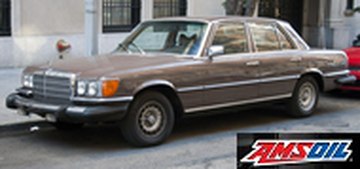
Lubrication Maintenance for the 1982 Mercedes Benz 300SD 3.0L
Maintaining a diesel engine requires a disciplined approach to fluid management and component inspection. For the 1982 Mercedes Benz 300SD equipped with the 3.0L 617.951 Diesel Turbo engine, consistent attention to lubrication and cooling systems is essential for long-term operational stability. Because diesel engines operate under high compression and significant thermal loads, the quality and condition of the engine oil play a vital role in managing internal friction and heat.
Monitoring Fluid Integrity and Potential Seepage
A proactive approach to maintenance involves regular visual inspections of the engine bay to identify any signs of fluid loss. For an engine of this era, it is useful to monitor various sealing surfaces for evidence of seepage or active leaks. While a small amount of surface film can sometimes be seen on older components, any significant accumulation of oil should be investigated.
When performing routine checks, consider the following:
- Sealing Surfaces: Inspect gaskets and seals for signs of age-related seepage. Identifying these early can help prevent more substantial fluid loss.
- Drain Areas: Check the area around the oil drain plug and the filter mounting area to ensure there is no evidence of recent leakage or improper sealing during previous service intervals.
- External Components: Look for any signs of fluid weeping from connections or housing interfaces that may indicate a need for seal inspection.
If you notice changes in how much oil the engine seems to use between service intervals, this warrants further investigation. Unusual consumption can be associated with various factors, and identifying the cause early is key to maintaining engine health.
Managing Engine Oil Condition
The engine oil in a turbo-diesel application serves as more than just a lubricant; it acts as a medium for heat management and helps carry away microscopic contaminants. Over time, even high-quality lubricants can undergo changes in viscosity or chemical composition due to thermal stress and the presence of combustion byproducts.
Maintaining the correct oil condition involves more than just periodic changes. It also requires monitoring the appearance of the lubricant itself. If the oil appears excessively dark, gritty, or shows signs of unusual thinning, it may indicate that the lubricant is no longer providing the necessary protection. Furthermore, if you observe any unusual mechanical noises during startup or operation, it can be a sign that the lubrication film is not performing as intended.
Some high-mileage oil formulations contain additives intended for use in aging engines. These formulations may include seal-conditioning additives designed to help maintain the flexibility of older rubber components. However, the decision to use such products should be based on the current condition of the engine and your specific maintenance goals.
Observing Potential Warning Signs
Drivers should remain attentive to how the vehicle behaves during operation. While many mechanical issues develop slowly, certain symptoms can serve as early indicators that a system requires attention. It is important to remember that symptoms can have multiple causes, so an observation should be treated as a prompt for inspection rather than a definitive diagnosis.
Keep an eye out for the following:
- Changes in Lubricant Appearance: If you check the oil level and notice a significant change in color or texture compared to previous checks, investigate the cause.
- Exhaust Observations: While exhaust characteristics can be influenced by many factors, any sudden or unusual changes in smoke color should be noted and inspected.
- Warning Indicators: Any illumination of dashboard warning lights related to oil pressure or engine temperature requires immediate investigation to prevent potential damage.
- Thermal Changes: If the vehicle appears to be running hotter than usual, it may indicate an issue with the cooling system or a loss of lubrication efficiency.
Prioritizing Long-Term Maintenance Tasks
As vehicles age, maintenance priorities often shift from simple part replacement to condition-based monitoring. For the 1982 Mercedes Benz 300SD, establishing a clear understanding of the vehicle's service history is one of the most effective ways to manage its longevity.
If you are beginning ownership of this vehicle or have recently acquired it, your first priority should be establishing a maintenance baseline. This involves reviewing all available repair records and service receipts to understand what has been addressed in the past. If documentation is incomplete, performing a thorough inspection of all major systems—including hoses, belts (if equipped), and electrical connections—can help you determine where to focus your efforts.
Effective long-term ownership involves distinguishing between preventive maintenance and unnecessary repairs. Rather than replacing components based solely on their age, it is often more practical to inspect them for actual wear or deterioration. For example, if an accessible belt shows no signs of cracking, glazing, or fraying, its continued use may be appropriate. Conversely, any component showing visible signs of stress should be addressed promptly.
Systematic Inspection of Auxiliary Components
Beyond the engine oil itself, several auxiliary systems must be kept in good working order to support the engine's operation. A systematic approach to these inspections can prevent minor issues from escalating into significant repairs.
When performing a routine service, it is beneficial to inspect the following if they are present on your specific model:
- Drive Belts: If equipped, inspect accessible drive belts for signs of deterioration such as cracking, glazing, or fraying.
- Cooling Hoses: Check hoses for any signs of softening, swelling, or brittleness, which could indicate they are nearing the end of their service life.
- Electrical Integrity: Inspect wiring and electrical connectors for signs of corrosion or loose connections, as these can affect sensor accuracy and overall engine management.
- Air Filtration: Ensure the air filtration system is clean and free of obstructions to allow for proper combustion air intake.
Practical Guidance for Buying Engine Oil for your 1982 Mercedes Benz 300SD 3.0L
When it is time to replenish your engine's lubricant, the most important step is ensuring that the product you select matches the specific requirements of your engine. Because different lubricants are formulated with varying additive packages and base oils, selecting a product that aligns with the application information provided on this page is critical.
To make an informed purchase, follow these steps:
- Match Application Data: Refer directly to the vehicle-specific oil viscosity and application information displayed above on this webpage. Do not rely on general knowledge or assumptions about what a diesel engine might need.
- Verify Product Labels: Before completing your purchase, check the product container to ensure the SAE viscosity and API service classifications match the requirements listed in your documentation.
- Consider Formulation Types: Depending on your engine's current condition and mileage, you may choose between conventional, synthetic blend, or full synthetic oils. If your engine shows signs of aging, you might also consider high-mileage formulations that include seal-conditioning additives.
- Check Certification: Ensure the oil meets the appropriate quality standards for modern diesel applications to provide adequate oxidation resistance and deposit control.
By strictly adhering to the application-specific viscosity information provided on this page, you ensure that your 1982 Mercedes Benz 300SD receives the lubrication necessary for its specific engine architecture.