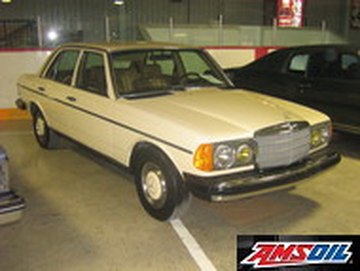
Maintaining Lubrication Standards for the 1982 Mercedes Benz 240D 2.4L
Proper engine maintenance is a cornerstone of long-term vehicle health, particularly for diesel engines like the 616.912 found in this 1982 Mercedes Benz 240D. Maintaining the correct lubrication profile ensures that internal components operate with minimal friction and that the engine remains protected against the thermal stresses inherent in diesel combustion. Because these engines are designed to operate over long periods, consistent attention to fluid integrity is essential.
Monitoring Fluid Integrity and Potential Seepage
A proactive approach to maintenance involves regular visual inspections of the engine bay to identify any changes in the vehicle's condition. For an engine of this age, observing the cleanliness of the engine block and surrounding components can provide valuable information regarding the state of various seals and gaskets. Rather than assuming a component is failing, owners should look for evidence of active seepage or staining that may indicate a need for future attention.
When performing routine checks, focus on the following areas:
- Sealing Surfaces: Inspect the areas where major engine components meet to check for any signs of oil residue.
- Drain Areas: Examine the area around the oil drain plug and the underside of the engine for any fresh fluid accumulation.
- External Connections: Check various connection points and mounting surfaces for evidence of weeping or slow leaks.
If you notice new signs of fluid presence, it is important to investigate the source. A small amount of seepage may be a sign of age-related material changes, but an active drip warrants more immediate inspection to prevent significant fluid loss.
Observing Changes in Engine Performance and Indicators
Beyond visual inspections of the engine exterior, monitoring how the vehicle operates can reveal underlying lubrication issues. Changes in the way the engine sounds or behaves often serve as early indicators that something requires investigation. It is important to remember that many different mechanical factors can cause similar symptoms; therefore, a single observation should be treated as a prompt for further diagnosis rather than a definitive conclusion.
Potential signs that warrant closer inspection include:
- Changes in Lubricant Appearance: If the oil appears significantly darker or more opaque than usual shortly after a service, it may indicate contamination.
- Unusual Mechanical Noises: Any new rhythmic sounds or knocking during operation should be investigated by a professional.
- Warning Indicators: If any dashboard indicators related to engine operation illuminate, the vehicle should be checked immediately.
- Exhaust Observations: Changes in the color or consistency of exhaust smoke can sometimes be associated with changes in how the engine is managing its internal fluids.
By staying observant of these subtle shifts, an owner can address potential issues before they escalate into more significant mechanical concerns.
Prioritizing Maintenance Through Documentation
For owners of a 1982 Mercedes Benz 240D, establishing a clear history of service is one of the most effective ways to manage long-term maintenance. When a vehicle has been in service for several decades, having a documented baseline allows you to distinguish between normal aging and unexpected changes in engine behavior.
If you are currently managing a vehicle with an incomplete service history, your first priority should be establishing that baseline. This can be done by performing a comprehensive inspection of all fluids and filters and recording their condition. Moving forward, keeping detailed records of every oil change, filter replacement, and any observed seepage or repair will provide a roadmap for future maintenance decisions.
Effective record-keeping includes:
- Dates and Mileage: Always note the exact mileage at which service was performed.
- Fluid Specifications: Record exactly what type of lubricant was used to ensure consistency in future services.
- Observations: Note any minor leaks or component wear observed during a service, even if they were not repaired immediately. This helps track whether a condition is stable or progressing.
This methodical approach allows you to prioritize tasks based on actual vehicle condition rather than making assumptions based solely on the age of the car.
Managing Aging Components and Materials
As vehicles age, the materials used in various systems—such as rubber hoses or electrical insulation—can undergo changes in flexibility and integrity. For a 1982 model, it is useful to adopt a condition-based inspection strategy. This means looking at the actual state of a component rather than simply replacing it because of its age.
When inspecting the engine compartment, look for any signs of deterioration in accessible hoses or wiring. If a hose feels excessively brittle or shows signs of cracking when handled carefully, it may be approaching the end of its service life. Similarly, check electrical connectors for signs of corrosion or loose fitment. Addressing these minor issues early can prevent unexpected interruptions in vehicle operation.
It is also beneficial to monitor how the engine handles heat. While diesel engines are designed for high thermal loads, any evidence of overheating or changes in the cooling system's performance should be addressed promptly to protect the engine's internal components.
The Role of Consistent Lubrication Maintenance
Engine oil is much more than just a lubricant; it is a vital component in managing the internal environment of the 2.4L diesel engine. Regular maintenance ensures that the oil continues to perform its essential functions, such as reducing friction between moving parts and assisting in heat dissipation from high-temperature zones within the engine.
Over time, even high-quality oil can accumulate microscopic debris or undergo chemical changes due to exposure to combustion byproducts and thermal cycling. This can lead to the formation of deposits that might otherwise be prevented by fresh, clean lubricant. By adhering to a consistent service routine, you ensure that the engine's internal surfaces remain clean and that the fluid maintains its ability to protect against wear.
Buying Engine Oil for your 1982 Mercedes Benz 240D 2.4L
When it is time to replenish your engine oil, the most important step is to ensure the product you select matches the specific requirements of your engine. Because different engines have unique tolerances and operating characteristics, using an incorrect lubricant can impact performance.
To make an informed purchase for your 1982 Mercedes Benz 240D 2.4L, please refer to the application-specific oil viscosity and technical information already displayed on this webpage. Match your selection directly to the viscosity listed in the application data provided above. When shopping, always verify that the product labeling is clear and that the oil meets the appropriate quality standards for diesel applications.
You may choose between various formulations, such as conventional, synthetic blends, or full synthetic oils, depending on your specific needs and the information provided in the technical specifications on this page. If you are managing an engine with higher mileage, you might also consider high-mileage formulations that include seal-conditioning additives, but always ensure the primary viscosity matches the application data shown here.