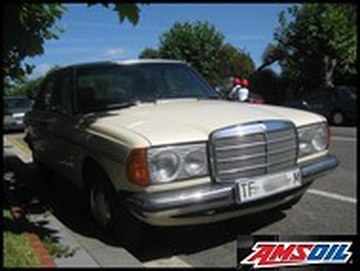
Maintaining Lubrication Integrity for the 1980 Mercedes Benz 240D 2.4L
Proper engine care for a vehicle like the 1980 Mercedes Benz 240D requires a disciplined approach to fluid management and mechanical inspection. With the 2.4L diesel engine (engine code 616.912) at the heart of this machine, maintaining the correct lubrication standards is a primary factor in long-term operational stability. Because diesel engines operate under specific thermal and pressure conditions, the quality and consistency of the engine oil used can significantly influence how the engine performs over time.
Monitoring Fluid Condition and Potential Seepage
A proactive approach to maintenance involves regular visual assessments of the engine bay. For an engine of this era, observing the cleanliness of the engine block and surrounding components is a practical way to monitor for potential issues. Rather than waiting for a significant leak to occur, owners should look for signs of minor seepage around various sealing surfaces.
When performing routine checks, pay close attention to:
- The area around the oil pan and its sealing surfaces.
- Gaskets and seals that may show signs of age-related weeping or moisture accumulation.
- Any evidence of fluid residue on the underside of the engine or near mounting points.
- The condition of any visible hoses or connections that might be subject to heat cycles.
It is important to note that a small amount of surface film can sometimes occur due to road grime and environmental factors, but any fresh or accumulating fluid should be investigated. Identifying these signs early allows for more controlled maintenance decisions rather than reacting to unexpected mechanical changes.
Observing Changes in Engine Operation
Beyond visual inspections, the way the engine behaves during startup and operation provides valuable feedback. While symptoms can have many different causes, certain changes in behavior warrant closer attention from an owner or technician. For example, a change in the sound of the engine or a noticeable shift in how it responds to throttle input may indicate that something in the lubrication or fuel system requires investigation.
If you notice any unusual mechanical noises during operation, or if there is a change in the appearance of exhaust emissions, these should not be ignored. Similarly, if the vehicle's oil level appears to be changing more frequently than expected between service intervals, it is a signal to inspect the engine for potential consumption or external leaks. Always remember that a single symptom does not provide a definitive diagnosis; rather, it serves as a prompt to perform a more thorough inspection of the relevant systems.
Prioritizing Maintenance Through Documentation
For long-term ownership of a 1980 Mercedes Benz 240D, establishing a clear history of service is one of the most effective ways to manage maintenance. If you have recently acquired this vehicle and the previous service records are incomplete, your first priority should be to establish a new maintenance baseline. This involves performing a comprehensive inspection of all fluids and filters to confirm their current state.
Keeping a detailed log of every oil change, filter replacement, and mechanical repair provides several benefits:
- It helps identify patterns in fluid consumption or component wear.
- It allows you to distinguish between routine preventive maintenance and necessary repairs.
- It assists in tracking the age of various components that may be subject to degradation over time.
By focusing on the current condition of the vehicle rather than making assumptions based solely on its age, you can prioritize tasks effectively. Addressing active leaks or addressing overdue service items first ensures that the most critical aspects of engine health are managed before moving on to secondary maintenance concerns.
Managing Aging Components and Materials
As vehicles age, the materials used in various systems—such as rubber, plastic, and various sealants—can undergo changes due to prolonged exposure to heat and environmental stressors. When maintaining a 1980 model, it is useful to adopt a condition-based inspection strategy. This means looking at the actual state of components rather than simply replacing them because they have reached a certain age.
For instance, if equipped, any accessible drive belts should be inspected for signs of cracking, glazing, or fraying. Similarly, inspecting electrical connections and wiring harnesses for brittleness or corrosion can prevent unexpected issues. This approach to maintenance is more efficient than a "replace everything" philosophy, as it directs resources toward components that actually show evidence of deterioration.
The Role of Clean Lubrication in Engine Health
Engine oil performs several vital roles that are essential for the continued operation of the 2.4L diesel engine. Beyond simply reducing friction between moving parts, the lubricant acts as a medium for heat management, helping to carry thermal energy away from high-temperature zones within the engine. Furthermore, the oil helps to suspend and carry away microscopic particles that could otherwise lead to the buildup of deposits or sludge.
Maintaining the cleanliness of this fluid is paramount. Over time, even high-quality lubricants can become saturated with combustion byproducts or environmental contaminants. Regular service ensures that the chemical properties of the oil—such as its ability to resist oxidation and maintain stable viscosity—remain effective. This consistent lubrication helps ensure that the engine components remain protected throughout their operational life.
Practical Guidance for Buying Engine Oil for your 1980 Mercedes Benz 240D 2.4L
When you are ready to replenish the lubricant in your 1980 Mercedes Benz 240D 2.4L, it is essential to select a product that aligns with the specific requirements of the 616.912 diesel engine. To ensure the best results, do not rely on general automotive knowledge or assumptions based on the vehicle's age; instead, match your selection directly to the application-specific viscosity and lubricant information provided on this webpage.
Before completing your purchase, follow these practical steps:
- Verify that the oil you are buying matches the exact viscosity listed in the technical specifications above.
- Check the product labeling to ensure it meets the appropriate quality standards or certifications required for your specific engine application.
- Consider whether a conventional, synthetic blend, or full synthetic formulation is most suitable based on the information provided in the application data.
- If you are managing an older engine with higher mileage, you may choose to look at formulations that include seal-conditioning additives, but always prioritize the viscosity and specification requirements first.
By strictly adhering to the technical details displayed in the vehicle's specific database record, you can ensure that your lubrication choices support the continued health and performance of your Mercedes Benz diesel engine.