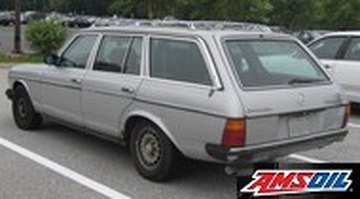
Maintenance and Lubrication for the 1981 Mercedes Benz 300TD 3.0L
Maintaining a diesel engine from this era requires a disciplined approach to fluid management and regular inspections. The 1981 Mercedes Benz 300TD is equipped with the 617.952 3.0L Diesel Turbo engine, a powerplant that relies heavily on the quality and consistency of its lubrication to manage the unique thermal and mechanical stresses associated with turbocharging.
Monitoring Engine Fluid Integrity
For owners of this vehicle, observing the condition of engine oil is a primary method for monitoring internal engine health. Because diesel combustion can introduce various elements into the crankcase, the appearance and consistency of the lubricant should be checked regularly. If the oil appears excessively dark or shows signs of significant thickening, it may indicate that the service interval has been exceeded or that the oil is struggling to manage soot and other combustion-related particulates.
When performing routine checks, look for any signs of unexpected fluid loss. While some level of consumption can occur as engines age, a noticeable drop in oil levels between services warrants investigation. Additionally, if you observe any unusual odors or changes in the texture of the oil, such as a milky appearance, this could be associated with other system issues that require professional diagnosis. Always use the application-specific oil quantity already displayed on this page when checking or replenishing levels to ensure accuracy.
Observing Potential Warning Signs
Identifying mechanical irregularities early can prevent more extensive repairs. While many engine issues manifest through various symptoms, certain signs related to lubrication should never be ignored. If the vehicle exhibits unusual mechanical noises that coincide with changes in oil temperature or load, it is advisable to have the system inspected.
Changes in exhaust characteristics can also serve as an indicator of internal engine state. For instance, if you notice a change in the color or density of the exhaust smoke, this may be related to how the engine is managing its fuel-to-air ratio or how it is consuming fluids. It is important to remember that these symptoms can have multiple causes; therefore, they should be treated as prompts for a thorough inspection rather than definitive proof of a specific component failure. An oil pressure warning indicator, if equipped and illuminated, requires immediate attention to prevent potential damage.
Systematic Inspection of Aging Components
As vehicles from the early 1980s continue to operate, the condition of auxiliary components becomes increasingly important. Rather than relying on age alone to dictate replacement, maintenance should be based on the actual physical condition of the parts. This approach helps distinguish between necessary preventive maintenance and the unnecessary replacement of functional components.
During routine service, it is practical to inspect several areas:
- Sealing Surfaces: Inspect various gaskets and seals for signs of age-related seepage or leakage. Even if a leak is not currently dripping, "sweating" around a seal can indicate that the material is beginning to lose its effectiveness.
- Hoses and Connections: If present, examine any visible hoses for signs of cracking, softening, or bulging. Ensure that all electrical connections and wiring harnesses appear secure and free from significant corrosion or fraying.
- Drive Components: If equipped, inspect accessible drive belts for evidence of glazing, cracking, or fraying. A belt that shows signs of deterioration can lead to issues with accessory operation if it fails.
- Cooling System: Check for any visible evidence of coolant leakage around the radiator, water pump, or connections, as thermal management is critical for a turbocharged diesel engine.
Establishing a Maintenance Baseline
For many owners of a 1981 Mercedes Benz 300TD, the vehicle may have been acquired with an incomplete service history. In these instances, the first priority is establishing a maintenance baseline. This involves performing a comprehensive inspection of all fluids and major mechanical systems to determine the current state of the vehicle.
Reviewing any available repair records can provide insight into what has already been addressed, such as previous gasket replacements or belt changes. If no records exist, an owner should prioritize addressing any active leaks or visible signs of wear first. Once a baseline is established through thorough inspection and documented service, it becomes much easier to monitor the vehicle's long-term health and identify when actual maintenance is required versus when components are simply aging gracefully.
Prioritizing Long-Term Engine Care
Effective ownership involves moving from reactive repairs to proactive monitoring. For a 3.0L turbo diesel, this means keeping a detailed log of every oil change, filter replacement, and significant repair. Documenting the specific products used—such as the type of oil and the brand of filters—helps ensure consistency in future service.
As the vehicle ages, maintenance priorities may shift. While a newer engine might focus on routine fluid changes, an older 617.952 engine may require more frequent visual inspections of seals and cooling components. The goal is to use the current condition of the vehicle to guide your efforts. If the engine is running smoothly and shows no signs of seepage or consumption, maintenance can remain focused on standard intervals. However, if changes in fluid behavior are noted, those should become the immediate priority for investigation.
Practical Guidance for Buying Engine Oil for your 1981 Mercedes Benz 300TD 3.0L
When it is time to replenish your engine's lubricant, accuracy in selection is paramount. Because different formulations offer different properties, you should always match the engine oil to the application-specific viscosity information shown above on this page.
Before making a purchase, consider the following practical steps:
- Verify Labeling: Always check the product packaging to ensure it meets the appropriate API certifications for diesel service.
- Evaluate Formulations: Depending on your specific needs and the current condition of your engine, you may choose between conventional, synthetic blend, or full synthetic oils. Some high-mileage oil formulations contain additives intended for use in aging engines, including seal-conditioning additives that may be beneficial for older seals.
- Avoid Assumptions: Do not assume that a modern oil grade is the same as what was originally used when the vehicle was manufactured. Always defer to the specific viscosity and application details provided in the technical data on this webpage.
By following the specific guidance provided in the application information, you ensure that your 1981 Mercedes Benz 300TD receives lubrication that is appropriate for its mechanical requirements.