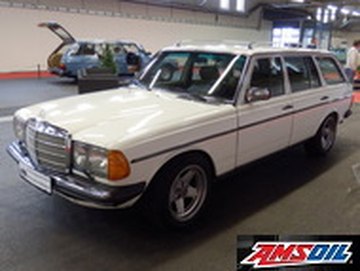
Maintenance and Lubrication for the 1980 Mercedes Benz 300TD 3.0L
Owning a vehicle with the 616.912 Diesel engine requires a disciplined approach to routine service. Because diesel engines operate under different mechanical stresses than gasoline counterparts, maintaining proper lubrication and monitoring the condition of various engine components is essential for long-term operation. This guide focuses on practical maintenance strategies, inspection priorities, and lubricant selection for this specific 3.0L application.
Monitoring Fluid Integrity and Potential Seepage
A primary aspect of maintaining an older diesel engine involves regular visual inspections to identify any changes in fluid behavior. Rather than assuming a component is failing, owners should look for evidence of seepage or active leaks during routine service intervals. This includes examining the areas around various gaskets and seals for signs of age-related moisture or oil presence.
When performing an inspection, pay close attention to the following:
- Sealing Surfaces: Check for any dampness or residue on mating surfaces that could indicate a slow seep.
- Drain Areas: Inspect the areas beneath the engine for any fresh fluid accumulation that might suggest a leak from above.
- Fluid Appearance: If you are checking levels, observe the color and consistency of the lubricant. Significant changes in appearance can sometimes be associated with contamination or thermal breakdown.
It is important to note that finding a small amount of residue does not always indicate an immediate failure, but it does provide a baseline for monitoring whether a leak is active or stable. Documenting these observations helps in distinguishing between a minor seepage and a developing issue that requires more urgent attention.
Observing Operational Indicators
Beyond visual inspections of the engine bay, the way the vehicle behaves during operation can provide useful information regarding its mechanical health. While symptoms can have multiple causes, certain changes should warrant closer investigation by a technician.
Changes in the sound of the engine or unusual mechanical noises may indicate that lubrication is not reaching specific components effectively or that a component is beginning to wear. Similarly, if you notice an unusual odor during operation, it could be associated with oil contacting a hot surface. If any warning indicators appear on the dashboard related to fluid levels or pressure, these require immediate investigation to prevent potential damage.
Furthermore, monitoring exhaust characteristics can be useful. While diesel engines naturally produce different emissions than gasoline engines, sudden or significant changes in smoke color or volume should be investigated as they may be linked to various internal engine conditions or combustion processes.
Prioritizing Long-Term Maintenance Decisions
As a vehicle ages, the strategy for maintenance often shifts from strictly following a schedule to a more condition-based approach. For an owner of a 1980 Mercedes Benz 300TD, this means using the current physical state of the engine to determine where to focus resources.
If you do not have a complete service history for the vehicle, establishing a maintenance baseline is a logical first step. This involves performing a thorough inspection of all major systems—including checking the condition of accessible belts (if equipped), hoses, and electrical connections—to understand the current state of the machine. Once this baseline is established, you can prioritize tasks based on actual need rather than just chronological age.
Effective long-term ownership involves:
- Reviewing Records: Consistently documenting every oil change, filter replacement, and repair helps identify patterns in component wear or fluid consumption.
- Addressing Active Issues First: If an inspection reveals an active leak or a worn belt, these should take precedence over purely preventive tasks.
- Monitoring Consumption: Keeping track of how much lubricant is added between service intervals can provide insight into the engine's internal condition.
Managing Aging Engine Components
Components made of rubber, plastic, or specialized polymers naturally undergo changes over several decades. For a 1980 model, it is practical to inspect these materials for signs of deterioration such as cracking, hardening, or fraying.
If the engine is equipped with various drive belts, inspect them for glazing or surface cracks. Similarly, if hoses are present in the engine compartment, check them for excessive softness or brittleness. While it is tempting to replace parts simply because they are old, a condition-based inspection allows you to distinguish between a part that is aging gracefully and one that is nearing the end of its functional life. This approach ensures that maintenance efforts are directed toward components that actually pose a risk to the vehicle's operation.
The Role of Lubrication in Diesel Engines
In any internal combustion engine, the lubricant performs several vital roles that extend beyond simple friction reduction. It acts as a medium for heat management, helping to carry thermal energy away from high-temperature zones within the engine block. Additionally, the lubricant is responsible for cleaning the internal environment by suspending microscopic particles and carrying them to the filter.
Maintaining the chemical integrity of the oil is crucial for preventing the buildup of deposits or sludge. As oil undergoes thermal cycles, it can eventually lose its ability to resist oxidation and maintain its protective properties. Regular service ensures that the lubricant remains capable of providing a consistent film between moving parts, which is essential for minimizing wear and maintaining mechanical efficiency.
Practical Guidance for Buying Engine Oil for your 1980 Mercedes Benz 300TD 3.0L
When it is time to replenish the engine lubricant, accuracy in selection is paramount. Because this vehicle utilizes a specific diesel engine configuration, you must ensure that any product you purchase is compatible with the application requirements.
To select the correct oil, match the engine oil to the application-specific viscosity information already displayed on this webpage. Do not rely on general automotive knowledge or assumptions based on the vehicle's age to determine the correct grade. Instead, use the specific SAE viscosity and any other technical specifications provided in the application data above.
When shopping for products, consider the following practical steps:
- Verify Product Labels: Always double-check that the bottle in your hand matches the viscosity and service requirements listed in your vehicle's documentation.
- Evaluate Formulations: Depending on your specific needs and the engine's condition, you may choose between conventional, synthetic blend, or full synthetic oils. Some high-mileage oil formulations also contain additives intended for use in aging engines, including seal-conditioning additives.
- Check Certifications: Ensure the oil meets the appropriate modern API service categories that are compatible with your engine's design.
By strictly adhering to the application-specific information provided on this page, you can ensure that your 1980 Mercedes Benz 300TD receives the correct lubrication for its continued operation.