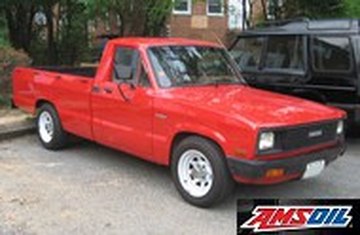
Engine Lubrication Maintenance for the 1981 Mazda B2000 PICKUP 2.0L
Maintaining the lubrication system of a 1981 Mazda B2000 PICKUP requires consistent attention to detail and an understanding of how aging mechanical components interact with engine fluids. For a vehicle of this era, the 2.0L engine relies on clean, high-quality oil to manage friction and heat during operation. Because older engines often exhibit different sealing characteristics than modern vehicles, a proactive approach to monitoring fluid levels and condition is essential for long-term serviceability.
Monitoring Fluid Condition and Consumption
One of the most effective ways to monitor the health of the 2.0L engine in this pickup is through regular observation of oil behavior. Rather than waiting for a warning light, owners should develop a routine of checking the dipstick to assess both the quantity and the physical appearance of the lubricant. Changes in how much oil the engine uses between service intervals can be an important indicator of internal or external changes.
When inspecting the oil, look for several specific indicators:
- Color and Clarity: While used oil naturally darkens over time due to heat and operational exposure, extremely dark or gritty oil may suggest that service intervals are being stretched too far.
- Consistency: The presence of any milky or cloudy appearance in the oil can indicate that other fluids, such as coolant, may be entering the lubrication system. This warrants immediate investigation.
- Odor: Strong or unusual smells coming from the crankcase might suggest contamination or excessive heat exposure.
If you notice a significant change in how much oil is required to reach the proper level, it is important to investigate the cause. While some consumption can occur as engines age, consistent loss should be addressed through inspection of various seals and gaskets.
Observing Potential Warning Signs
Identifying issues early can prevent more extensive mechanical complications. For a 1981 Mazda B2000 PICKUP, several symptoms may indicate that the lubrication system requires attention. It is important to remember that many different factors can cause similar symptoms, so observations should be treated as starting points for further inspection rather than definitive diagnoses.
Visible signs of fluid seepage around the engine block or near various gaskets and seals are common indicators that a component may need attention. If you notice oil accumulating on the exterior of the engine or dripping onto the ground after the vehicle has been parked, this is a clear sign to inspect the sealing surfaces. Additionally, any unusual mechanical noises that coincide with engine operation should be monitored closely; while these can stem from many sources, ensuring proper lubrication levels is a fundamental first step in troubleshooting.
If the vehicle exhibits signs of overheating, it is vital to check all cooling-related components and ensure that the oil level is within the appropriate range. Heat management is a shared responsibility between the cooling system and the engine oil, as the lubricant plays a significant role in dissipating thermal energy from internal components.
Prioritizing Long-Term Maintenance Decisions
As vehicles age, maintenance strategies often shift from purely preventive measures to condition-based monitoring. For owners of a 1981 Mazda B2000 PICKUP, the most effective way to manage longevity is to base service decisions on the actual state of the vehicle rather than just its age or mileage.
Establishing a maintenance baseline is particularly useful if the previous service history of the truck is unknown. By documenting current fluid levels, the frequency of oil consumption, and the condition of various seals, an owner can create a reliable record that makes it easier to spot deviations from the norm. This historical data becomes invaluable when deciding whether a component needs replacement or if it simply requires continued monitoring.
When managing maintenance priorities, address active concerns first. If there is evidence of a slow leak or a change in how the engine sounds, these should take precedence over general aesthetic or non-essential repairs. Furthermore, keeping detailed records of every oil change, filter replacement, and fluid top-off allows you to distinguish between routine upkeep and emerging mechanical trends.
Inspecting Aging Components and Seals
Over several decades, the materials used in gaskets, seals, and various hoses can undergo changes due to heat cycles and environmental exposure. For a 1981 Mazda B2000 PICKUP, regular visual inspections of these components are a practical way to stay ahead of potential issues.
When performing routine service, take the time to look for:
- Gasket and Seal Integrity: Inspect accessible areas for signs of seepage. Even if a leak is not currently dripping, "wet" looking surfaces can indicate that a seal is beginning to lose its effectiveness.
- Hose Condition: If the vehicle is equipped with various rubber hoses, check them for signs of cracking, softening, or bulging. Brittle hoses are more prone to failure under pressure or temperature changes.
- Electrical Connections: Ensure that wiring and electrical connectors near the engine remain secure and free from excessive corrosion or fraying, as these can impact sensor accuracy and overall engine management.
- Drive Belts: If equipped, inspect accessible drive belts for signs of wear such as glazing, cracking, or fraying. A belt that shows significant deterioration may eventually slip or fail, affecting the operation of various accessories.
By combining these visual checks with regular fluid monitoring, you can develop a comprehensive understanding of your vehicle's current mechanical state.
Selecting Lubricants for Aging Engines
When it comes to choosing an engine oil, there are several formulations available that may be relevant to an older engine. While modern synthetic oils offer excellent thermal stability and resistance to oxidation, some owners of older vehicles consider high-mileage formulations. These specific products often include seal-conditioning additives intended to help maintain the flexibility of aging gaskets and seals.
The choice between conventional oil, synthetic blends, or full synthetic oil should be based on the specific needs of your engine and the application information provided for your vehicle. Synthetic oils are known for their ability to flow more easily during cold starts, which can provide better protection during the initial moments of engine operation. However, the most important factor is ensuring that any lubricant you select meets the appropriate quality standards and specifications required for this specific 2.0L Mazda application.
Practical Advice for Buying Engine Oil for your 1981 Mazda B2000 PICKUP 2.0L
To ensure the continued health of your engine, you must match the lubricant to the specific requirements of your vehicle. When you are ready to purchase new oil, do not rely on general assumptions about what an older truck might need. Instead, refer directly to the application-specific viscosity and oil type information already displayed on this webpage.
Before completing your purchase, always check the product labeling to verify that the oil meets the necessary quality certifications. Whether you decide to use a conventional oil or a high-mileage formulation, the primary goal is to select a product that aligns with the technical data provided for your 1981 Mazda B2000 PICKUP 2.0L. Matching the lubricant to the documented application details is the most reliable way to ensure proper engine protection and performance.