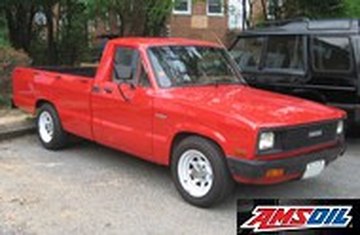
Maintaining Lubrication Integrity for the 1980 Mazda B2000 PICKUP 2.0L
Effective engine management for a vehicle like the 1980 Mazda B2000 PICKUP involves more than just periodic fluid changes. Because this pickup utilizes a 2.0L (1970cc) engine, maintaining the correct lubrication standards is essential for managing the mechanical stresses associated with long-term operation. Proper maintenance ensures that internal components remain protected against friction and heat, which are inherent to any combustion process.
Monitoring Fluid Condition and Potential Leaks
A proactive approach to maintenance involves regular visual inspections of the engine bay and undercarriage. For an older vehicle, observing the condition of various seals and gaskets is a practical way to monitor health. While many components are designed to last for years, age-related changes can occur in rubber and composite materials.
When performing routine checks, look for the following:
- Evidence of seepage: Check around sealing surfaces for any signs of fluid weeping or dampness. Even small amounts of moisture or oil near gaskets may indicate that a seal is beginning to lose its effectiveness.
- Fluid appearance: If you are checking the oil level, take note of the color and consistency. While some discoloration is normal due to use, significant changes in texture or an unusual smell can warrant further investigation.
- External cleanliness: A clean engine environment makes it much easier to identify new leaks immediately. Accumulated grime can often mask slow-developing seepage.
If you notice any unexpected fluid loss or changes in how the vehicle operates, these symptoms should be investigated. It is important to remember that a single symptom, such as a small puddle or an unusual odor, can be associated with several different causes. Professional diagnosis is often necessary to pinpoint the exact source of a concern.
Managing Long-Term Engine Health
For owners of a 1980 Mazda B2000 PICKUP, establishing a maintenance baseline is one of the most effective ways to ensure longevity. If you have recently acquired the vehicle or do not have access to a complete service history, your first priority should be documenting the current state of all vital systems.
Reviewing any available repair records can provide insight into what has already been addressed. If no records exist, treat the current condition of the engine as your starting point. This involves checking the status of aging components—such as hoses or electrical connections, if present—and noting their current state. By documenting these observations, you can distinguish between necessary repairs and routine preventive maintenance.
As a vehicle ages, maintenance priorities often shift from simple interval-based tasks to condition-based monitoring. Rather than replacing parts based solely on the age of the vehicle, focus on components that show actual signs of wear or deterioration. This approach helps in prioritizing tasks, such as addressing an active leak before moving on to more cosmetic or non-essential service items.
Observing Operational Warning Signs
Beyond visual inspections, paying attention to how the 2.0L engine behaves during operation is a critical part of ownership. Changes in the way the vehicle feels or sounds can serve as early indicators that something requires attention.
Be mindful of any unusual mechanical noises that occur during startup or while idling. Similarly, if you notice changes in how the engine responds to throttle inputs, it may be worth investigating the fuel or ignition systems, if applicable. While these signs do not definitively point to a single failed component, they are important signals that the vehicle's operating parameters have shifted.
Additionally, keep an eye on any dashboard indicators. If a warning light appears, it should be treated as a priority for investigation. Monitoring these signs allows you to address potential issues before they escalate into more significant mechanical concerns.
The Role of Lubrication in Engine Protection
Engine oil performs several vital roles that are necessary for the continued operation of the 1980 Mazda B2000 PICKUP. Primarily, it acts as a barrier between moving parts to reduce friction. This reduction in friction is essential for managing the heat generated during the combustion process and preventing premature wear on internal components.
Furthermore, the lubricant helps to carry away heat from areas that are difficult for the cooling system to reach directly. It also plays a role in keeping the engine clean by suspending small particles of debris, which are then captured by the oil filter during circulation. Maintaining the quality and cleanliness of this fluid is one of the most impactful maintenance tasks an owner can perform.
Practical Inspection of Auxiliary Components
While much focus is placed on the engine itself, other components in the engine compartment deserve regular attention. If equipped, inspect accessible drive belts for signs of cracking, glazing, or fraying. These belts are essential for powering various accessories, and their condition can impact the overall reliability of the vehicle.
Similarly, if the vehicle is equipped with various hoses, check them for signs of brittleness, swelling, or leaks. Maintaining the integrity of these connections ensures that the cooling and vacuum systems function as intended. Checking electrical connectors for corrosion or loose fitment can also prevent intermittent issues with the ignition or sensor systems, if applicable.
Buying Engine Oil for your 1980 Mazda B2000 PICKUP 2.0L
When it is time to replenish your engine lubricant, the most important step is to ensure that the product you select matches the specific requirements of your engine. Because different engines have unique operating needs, you should never rely on general knowledge or assumptions based on the vehicle's age.
To make an informed purchase, follow these guidelines:
- Consult the application data: Always refer to the specific viscosity and oil type information provided on this webpage for your exact 1980 Mazda B2000 PICKUP. Match your selection directly to the information shown above.
- Verify API certification: Look for the appropriate API service symbol on the product label to ensure the oil meets modern quality standards for lubrication and deposit control.
- Consider formulation types: Depending on your specific needs, you may choose between conventional, synthetic blend, or full synthetic oils. Some high-mileage formulations also contain additives intended for use in aging engines, including seal-conditioning additives.
- Check the label carefully: Before completing your purchase, double-check that the SAE viscosity grade on the bottle is exactly what is required by your application.
By strictly adhering to the application-specific information provided for your 2.0L engine, you ensure that the lubricant provides the necessary protection and thermal stability required for your vehicle's operation.