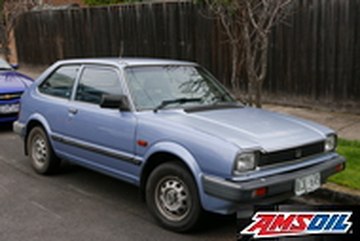
Engine Oil Maintenance for your 1983 Honda CIVIC 1.5L
Maintaining the lubrication system is one of the most important aspects of long-term vehicle care. For a 1983 Honda CIVIC with the 1.5L engine, regular attention to oil and filtration ensures that internal components remain properly lubricated during operation.
What oil filter does my 1983 Honda CIVIC 1.5L need?
For this specific vehicle, the WIX Oil Filter part number 51392-EA is listed.
The Role of the Oil Filter
The oil filter serves as a critical component in the engine's lubrication circuit. As engine oil circulates through the motor to reduce friction and carry heat away from moving parts, it inevitably picks up microscopic debris, metal shavings, and combustion byproducts. The oil filter is designed to capture these contaminants before they can recirculate through the engine.
If a filter becomes restricted or fails to perform its function, these particles can cause premature wear on bearings, piston rings, and cylinder walls. Replacing the filter during every oil service helps maintain consistent flow and ensures that the fluid remains as clean as possible throughout its service life.
Understanding Oil Changes
An oil change involves two primary steps: removing the old, depleted lubricant and replacing it with fresh oil and a new filter. Over time, engine oil loses its ability to protect metal surfaces due to thermal breakdown and contamination. Fresh oil contains active additives that help neutralize acids and prevent sludge buildup.
To determine how often you should perform an oil change, consult your owner's manual or follow the manufacturer's recommended maintenance schedule. Adhering to these established intervals helps prevent the accumulation of contaminants that can lead to engine issues.
Monitoring Oil Levels
Regularly checking the oil level using the engine's dipstick is a fundamental maintenance habit. Low oil levels can lead to increased friction, overheating, and potential mechanical failure. When checking the level, ensure the vehicle is parked on a level surface and the engine is in the appropriate state (either recently shut off or at operating temperature) as specified by the manufacturer.
If you notice that the oil level is frequently dropping between scheduled services, it may indicate an internal leak or an external leak from a gasket or seal. Addressing these issues promptly can prevent more significant engine damage.
Inspecting for Leaks
Visual inspections are a highly effective way to monitor the health of your lubrication system. Periodically check the area around the oil filter, the oil drain plug, and various engine gaskets for signs of weeping or active drips. Oil leaks can lead to low fluid levels and can also coat other engine components, creating a fire hazard or attracting dirt.
A clean engine bay makes it much easier to spot new leaks. If you observe fresh oil pooling on your driveway or staining the underside of the engine, investigate the source immediately. Common areas for leaks include the valve cover gasket and the oil pan gasket.
Managing Oil Contamination
Engine oil can become contaminated by several factors. One common issue is moisture accumulation, which often occurs if the vehicle is driven only short distances, preventing the engine from reaching full operating temperature to evaporate condensation. This moisture can lead to the formation of sludge.
Combustion gases can also bypass piston rings and enter the oil, a process known as dilution. Maintaining the correct service intervals helps ensure that these contaminants are removed before they reach levels that could compromise the lubricating properties of the oil.
What coolant does my 1983 Honda CIVIC 1.5L take?
The following products are listed for this vehicle:
- ANTPC1G-EA — Passenger Car & Light Truck Antifreeze & Coolant
- ANT1G-EA — Low Toxicity Antifreeze and Engine Coolant
BUYING ENGINE OIL
When you are ready to purchase supplies, check your owner's manual for any specific requirements regarding fluid types. When shopping for oil, look for reputable brands and ensure the containers are properly sealed. It is also a good practice to purchase a new oil filter at the same time as your oil to ensure you have all necessary components for a complete service.