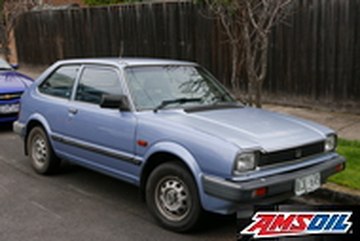
Engine Oil Maintenance for your 1983 Honda CIVIC 1.3L
Maintaining proper lubrication is one of the most important aspects of preserving the longevity and operational integrity of an internal combustion engine. For owners of a 1983 Honda CIVIC with the 1.3L engine, staying consistent with oil service helps ensure that moving parts remain coated in a protective film, reducing friction and heat buildup during operation.
When should I change the oil in my 1983 Honda CIVIC 1.3L?
To determine the correct interval for an oil change, you should follow the owner's manual or the manufacturer maintenance schedule provided for your vehicle. Do not rely on estimated mileage or timeframes, as the specific requirements established by the manufacturer are the only accurate guide for your engine.
Understanding Engine Oil Functions
Engine oil serves several critical roles within the 1.3L engine. Primarily, it acts as a lubricant to prevent metal-on-metal contact between components such as pistons, crankshaft bearings, and camshafts. Beyond lubrication, the oil assists in cooling the engine by carrying heat away from high-temperature zones and transporting it to the oil pan. Additionally, oil helps clean the internal engine surfaces by suspending microscopic debris and contaminants, which are then captured by the oil filter.
Monitoring Oil Levels Regularly
Even when following a strict maintenance schedule, it is a good practice to check the oil level manually using the dipstick. Regular checks allow you to identify potential issues such as slow leaks or unexpected consumption before they lead to mechanical complications. When checking the level, ensure the vehicle is parked on a level surface and that the engine has been allowed to sit for several minutes after running so the oil can settle in the pan.
The Role of the Oil Filter
Every time the engine oil is changed, the oil filter should also be replaced. The filter is designed to trap particulates, such as carbon deposits and metal shavings, that naturally accumulate in the oil during operation. If a filter becomes saturated with contaminants or fails to provide adequate flow, it can impede the lubrication process. Replacing the filter alongside the oil ensures that the fresh lubricant enters the engine without being immediately contaminated by old debris.
Identifying Potential Oil Leaks
Owners should remain vigilant for signs of oil leaks, which can lead to low oil levels and increased engine temperature. Common indicators include dark spots on driveway surfaces or a noticeable smell of burning oil while the vehicle is running. If you notice these signs, it is important to inspect the engine area for wetness around gaskets and seals. Maintaining a clean engine bay can make it easier to spot new leaks as they develop.
Maintaining Engine Health Through Cleanliness
While internal cleanliness is managed by the oil and filter, external cleanliness also plays a role in maintenance. Keeping the exterior of the engine relatively free from heavy buildup of dirt and grime can assist in spotting fluid leaks more quickly. Furthermore, ensuring that the oil filler cap and dipstick are seated correctly after every service prevents contaminants like dust or moisture from entering the lubrication system.
What oil does my 1983 Honda CIVIC 1.3L take?
The following oils are listed for this vehicle:
- AMOQT-EA — Premium Protection 10W-40 Synthetic Motor Oil
- XLOQT-EA — XL 10W-40 Synthetic Motor Oil
What oil filter does my 1983 Honda CIVIC 1.3L need?
The following oil filter is listed for this vehicle:
- WIX Oil Filter: 51392-EA
What coolant does my 1983 Honda CIVIC 1.3L take?
The following products are listed for this vehicle:
- ANTPC1G-EA — Passenger Car & Light Truck Antifreeze & Coolant
- ANT1G-EA — Low Toxicity Antifreeze and Engine Coolant
BUYING ENGINE OIL
When you are ready to purchase supplies for your maintenance routine, ensure you select a product that meets the requirements of your vehicle. For this specific 1983 Honda CIVIC 1.3L, the database allows for the use of 10W-40. When shopping, look for products that clearly state their viscosity and meet the necessary standards for your engine type. Always verify that you are purchasing the correct amount required for a full service as specified in your documentation.