
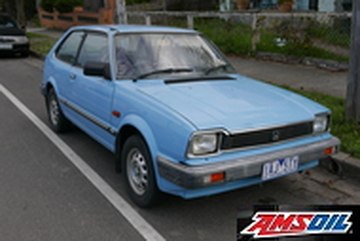



Lubrication Maintenance for the 1982 Honda CIVIC 1.3L
Maintaining a vehicle from the early 1980s requires a proactive approach to fluid management and mechanical inspection. For the 1982 Honda CIVIC equipped with the 1.3L engine, consistent attention to lubrication is a fundamental aspect of long-term engine health. Because older engines often operate with different tolerances and seal compositions than modern vehicles, understanding how to monitor and service these systems is essential for any owner.
Monitoring Fluid Integrity and Consumption
One of the most effective ways to gauge the condition of an engine is through regular observation of its fluids. For this 1.3L application, owners should periodically check the level and appearance of the engine oil. Changes in how much oil the engine uses over a specific period can be an important indicator of internal or external conditions.
When performing these checks, look for several key indicators:
- Fluid Color and Texture: While new oil is translucent, older oil will darken due to use. However, if the oil appears milky or has a frothy texture, this warrants immediate investigation as it may indicate contamination from other fluids.
- External Seepage: Inspecting the area around the engine for signs of wetness or residue can help identify where gaskets or seals might be losing their effectiveness. Even small amounts of seepage should be noted to prevent larger issues later.
- Consistency of Levels: If you notice that the oil level is dropping more rapidly than expected between service intervals, it is important to determine if this is due to an external leak or internal consumption.
It is important to remember that various factors can influence these observations. A change in fluid appearance or a sudden increase in consumption does not always point to a single specific failure; rather, these symptoms serve as signals that the vehicle requires a more detailed inspection.
Prioritizing Service Based on Vehicle Condition
As vehicles age, maintenance strategies often shift from following a rigid calendar to responding to the actual physical condition of the components. For a 1982 Honda CIVIC, establishing a baseline of what is currently functioning correctly is the first step in effective ownership.
If you are operating this vehicle without a complete service history, your first priority should be to document the current state of all major service items. This includes reviewing any available records of past repairs or fluid changes. If no records exist, treat the current condition as your starting point. By observing how the engine behaves under various driving conditions and noting any emerging trends in fluid usage or mechanical noise, you can create a personalized maintenance plan.
When deciding which tasks to address first, prioritize active concerns. An active leak or an unusual sound should take precedence over general preventive measures. This condition-based approach ensures that resources are directed toward the most pressing needs of the 1.3L engine, helping to prevent minor issues from escalating into more significant mechanical requirements.
Inspecting Aging Engine Components
Over several decades, various materials used in engine compartments can undergo changes due to heat cycles and age. While many components are designed for longevity, regular visual inspections can help identify parts that may be approaching the end of their service life.
When performing routine maintenance, consider inspecting the following areas:
- Sealing Surfaces: Inspect various gaskets and seals for signs of age-related seepage. Even if a leak is not currently dripping onto the ground, evidence of "sweating" or residue on sealing surfaces can indicate that a component is beginning to degrade.
- Rubber Components: If equipped, inspect accessible belts for signs of cracking, glazing, or fraying. Similarly, check any visible hoses for signs of brittleness, swelling, or soft spots. Rubber components are particularly sensitive to temperature fluctuations over long periods.
- Electrical Connections: Ensure that wiring and electrical connectors remain secure and free from significant corrosion or fraying, as these can affect the overall reliability of engine-related systems.
The goal of these inspections is not to replace parts simply because they are old, but to identify components that show actual signs of deterioration. This distinction helps avoid unnecessary expenditures while maintaining a high standard of vehicle readiness.
Understanding Lubrication Functions
Engine oil performs several vital roles that go beyond simple lubrication. In the 1.3L engine, the lubricant is responsible for managing the intense environment created during operation. One of its primary tasks is friction reduction, which helps the internal components move smoothly against one another.
Beyond reducing friction, the oil plays a significant role in heat management. As it circulates through the engine, it carries heat away from critical areas, helping to maintain a more stable operating temperature. Furthermore, modern oil formulations are designed with high levels of additives intended to manage contamination and prevent the buildup of deposits. These deposits can form when oil breaks down or becomes contaminated by combustion byproducts, so using a high-quality lubricant is essential for keeping internal passages clear.
Practical Steps for Long-Term Ownership
Successful long-term ownership of a classic vehicle like the 1982 Honda CIVIC relies on consistency. Keeping a dedicated log of all maintenance performed—including the dates, mileage, and specific products used—is one of the most valuable tools an owner can possess. This documentation allows you to spot patterns, such as how often certain components need attention or how the engine's oil consumption changes over years of service.
Additionally, avoid the temptation to rely solely on general automotive advice. What works for a modern vehicle may not be appropriate for an engine designed in the early 1980s. Always prioritize information that is specific to your exact engine and model year. By combining documented history with regular, observant inspections, you can make informed decisions that support the continued operation of the vehicle.
Buying Engine Oil for the 1982 Honda CIVIC 1.3L
When it is time to replenish your engine oil, the most important step is to ensure the product matches the specific requirements of your engine. Because different engines require different chemical properties and thicknesses, you should not rely on general assumptions based on the vehicle's age or size.
To select the correct lubricant, match the engine oil to the application-specific viscosity information already displayed on this webpage. Before making a purchase, carefully check the product labeling to verify that it meets the necessary standards for your specific 1.3L application. Depending on your needs and the current condition of your engine, you may encounter various options, including conventional oils, synthetic blends, or full synthetic formulations. Some high-mileage oil formulations also contain additives intended for use in aging engines, which may be worth considering if you notice minor seepage.
Always verify that the oil you choose is compatible with the information provided in your vehicle's documentation. By following the specific viscosity and application guidance shown on this page, you ensure that your 1982 Honda CIVIC receives the exact type of lubrication it needs for optimal performance.
