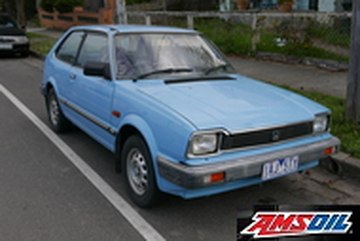
Engine Lubrication and Maintenance for the 1982 Honda CIVIC 1.5L
Maintaining a vehicle from the early 1980s requires a shift in perspective compared to modern automotive care. For owners of a 1982 Honda CIVIC with the 1.5L engine, routine service is not just about following a schedule; it is about monitoring the physical condition of aging components and ensuring that the lubrication system remains effective. Because this vehicle has been in operation for several decades, the focus often shifts from simple part replacement to careful observation and preventive inspection.
Monitoring Fluid Integrity and Consumption
One of the most practical ways to monitor the health of a 1.5L engine is through regular observation of its fluids. As engines age, the way they interact with lubricants can change. It is helpful to establish a baseline by checking the oil level frequently using the dipstick. If you notice that the oil level is dropping between service intervals, this warrants further investigation into potential causes.
Changes in the appearance of the lubricant can also provide useful information. For example, if the oil appears excessively dark or contains visible particulates shortly after a change, it may indicate that the engine is accumulating more deposits than expected. Similarly, any signs of contamination—such as a milky appearance—should be investigated immediately, as this can be associated with various internal issues. By paying close attention to how the oil looks and how much is being used, an owner can often identify needs before they become significant mechanical concerns.
Observing Potential Warning Signs
While modern vehicles rely heavily on electronic sensors and dashboard lights, older engines often communicate through physical symptoms. When maintaining a 1982 Honda CIVIC, staying alert to unusual sensations or sounds is vital. A change in the way the engine sounds during startup or while idling can be an early indicator that something requires attention.
If you notice any unusual odors, such as a burning scent, this may indicate that lubricant is contacting a hot surface. It is important to remember that symptoms like these can have multiple causes; for instance, a leak could be originating from a gasket or a seal, or it could be related to an external component. Rather than attempting to diagnose a specific failure based on a single symptom, use these signs as a prompt to perform a thorough visual inspection of the engine bay. If you observe any active dripping or pooling of fluid beneath the vehicle, this should be addressed promptly to prevent further complications.
Age-Related Inspection Priorities
As a vehicle reaches a certain age, certain materials naturally undergo changes due to heat cycles and time. For an owner of a 1982 Honda CIVIC, prioritizing inspections of flexible components is a sensible approach to long-term maintenance. This includes checking any visible hoses for signs of hardening, cracking, or swelling. If hoses feel excessively brittle or show deep cracks when flexed, they may be nearing the end of their service life.
Similarly, if the engine is equipped with accessible drive belts, these should be inspected for glazing, fraying, or surface deterioration. Rubber components are highly susceptible to environmental factors and age-related degradation. Furthermore, inspecting electrical connections and wiring for signs of corrosion or insulation breakdown can help prevent unexpected electrical issues. Rather than replacing parts based solely on the calendar, a condition-based approach—where you inspect what is actually there and assess its current state—is often the most efficient way to manage an older vehicle.
Establishing a Maintenance Baseline
For many owners of classic or older vehicles, the complete service history may not always be available. In these instances, the first priority should be establishing a maintenance baseline. This involves performing a comprehensive inspection of all fluids and major service items to determine their current condition. Once you know the state of the oil, the cooling system, and the various belts and hoses, you can create a more accurate plan for future care.
Keeping detailed records of every service performed from this point forward is highly beneficial. Documenting when the oil was changed, which products were used, and any observations made during inspections allows you to track trends over time. For example, if you notice that a specific seal has been slowly seeping for several months, having a record helps you decide whether it requires immediate repair or can be monitored. This organized approach transforms maintenance from a reactive task into a proactive strategy for long-term ownership.
Managing Gaskets and Seals
The integrity of various gaskets and seals is fundamental to maintaining a clean and efficient engine environment. Over time, the materials used in these components may lose their ability to provide a perfect seal. When performing routine inspections, look for signs of seepage or "wetness" around sealing surfaces. This does not always mean a component has failed completely, but it can indicate that the material is beginning to age.
If you find evidence of minor seepage, it is often helpful to clean the area and monitor it during subsequent oil checks. This helps determine if the seepage is active or if it is merely old residue. Addressing small leaks early can prevent them from becoming more significant issues that could lead to fluid loss or contamination of other engine components. Always approach these observations with a focus on gradual changes rather than assuming an immediate failure.
Practical Steps for Buying Engine Oil for your 1982 Honda CIVIC 1.5L
When it is time to replenish the lubrication in your 1982 Honda CIVIC 1.5L, the most important step is to ensure that the product you select matches the specific requirements of your engine. Rather than relying on general assumptions about older vehicles, always refer to the application-specific viscosity and lubricant information provided on this webpage.
When shopping for products, consider the following practical tips:
- Match the Application: Ensure the oil grade aligns exactly with the vehicle-specific information displayed in the technical data above.
- Verify Quality: Look for appropriate API certifications on the product label to ensure the oil meets modern standards for detergent and anti-wear properties.
- Evaluate Formulations: Depending on your specific needs, you may choose between conventional, synthetic blend, or full synthetic oils. Some high-mileage formulations also contain additives intended for use in aging engines, including seal-conditioning additives that may be useful for vehicles showing signs of minor seepage.
- Check the Label: Always read the physical container before purchase to confirm that the viscosity and specifications are exactly what your 1.5L engine requires.
By following the specific guidance provided in the application data, you can ensure that your lubrication choices support the continued operation of your vehicle.