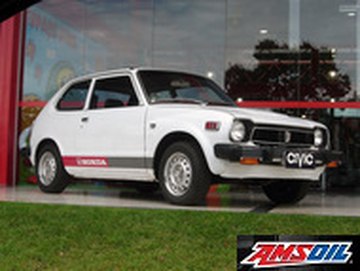
Lubrication Maintenance for the 1981 Honda CIVIC 1.5L
Maintaining a vehicle from the early 1980s requires a proactive approach to fluid management and mechanical inspection. For the 1981 Honda CIVIC equipped with the 1.5L engine, consistent attention to lubrication is a fundamental aspect of long-term ownership. Because older engines often operate under different thermal and mechanical stresses than modern counterparts, understanding how to monitor and manage your engine oil is essential for preserving the health of the powertrain.
Monitoring Fluid Integrity and Consumption
One of the most effective ways to stay ahead of potential issues is through regular observation of the vehicle's operating condition. Rather than waiting for a warning light, an owner can gain significant insight by performing routine checks of the engine oil level and appearance. If you notice that the oil level is dropping more frequently than expected between service intervals, it warrants a closer investigation into the engine's current state.
Changes in the physical characteristics of the lubricant can also serve as indicators for maintenance needs. For example, if the oil appears excessively dark or shows signs of significant thickening, it may suggest that the fluid is no longer providing the necessary protection against contaminants. Similarly, any unusual odors or changes in how the engine sounds during startup or idling should be noted. While these symptoms can have many different causes—ranging from simple age-related wear to external environmental factors—they are important signals that the lubrication system requires attention.
Observing Potential Warning Signs
When performing routine maintenance, it is helpful to look for specific signs that indicate a need for further diagnostic work. While no single symptom provides a definitive diagnosis, certain observations can guide your next steps:
- Visible Seepage: Inspect the areas around the engine block and sealing surfaces for any evidence of fluid leakage or seepage. Even small amounts of oil appearing on the exterior of the engine can indicate that gaskets or seals are beginning to age.
- Exhaust Observations: While exhaust color can be influenced by many factors, certain changes in smoke density may be associated with how the engine is managing its internal fluids.
- Thermal Indicators: If you notice signs of overheating or if the engine temperature fluctuates more than usual, it is important to ensure that the cooling system and lubrication systems are both functioning as intended.
If any of these signs become apparent, they should be investigated promptly to prevent minor issues from evolving into more significant mechanical concerns.
Prioritizing Maintenance Through Condition-Based Care
For an owner of a 1981 Honda CIVIC, deciding which maintenance tasks to prioritize can be challenging, especially if the vehicle's full service history is not known. Rather than following a rigid schedule based solely on the age of the car, it is often more effective to adopt a condition-based approach. This means focusing your efforts on the actual state of the components currently installed on the vehicle.
If you are unsure about the previous maintenance performed on the 1.5L engine, a good starting point is to establish a baseline. This involves performing a thorough inspection of all fluids and accessible mechanical components to document their current condition. Once this baseline is established, you can more easily identify changes over time. For instance, if you notice that a component that was previously dry is now showing signs of seepage, or if the oil consumption rate has increased, you can adjust your maintenance frequency accordingly.
Addressing active concerns—such as an existing leak or a noticeable change in fluid quality—should always take precedence over general preventive tasks. By focusing on what the vehicle actually needs based on its current physical state, you can manage maintenance costs and focus your attention where it will have the most impact on the engine's longevity.
Managing Aging Components and Materials
As vehicles age, the materials used in their construction—such as rubber, plastic, and various sealants—can undergo changes due to heat cycles and time. When maintaining a 1981 model, it is wise to inspect these age-sensitive areas during every oil service. This includes checking any accessible hoses or belts that may be present on the engine for signs of cracking, glazing, or fraying.
Furthermore, electrical connections and wiring should be inspected for signs of brittleness or corrosion. While these are not directly related to lubrication, they are part of the broader ecosystem that keeps the engine running smoothly. A well-maintained vehicle is one where all systems, from the lubrication to the electrical architecture, are monitored as a cohesive unit. Keeping a detailed log of what you find during these inspections—such as when a hose was checked or when a seal showed minor seepage—is an invaluable tool for long-term ownership.
The Role of Documentation in Long-Term Ownership
One of the most overlooked aspects of maintaining a classic vehicle is the habit of record-keeping. For the 1981 Honda CIVIC, having a clear history of oil changes, filter replacements, and any repairs performed can significantly assist in troubleshooting future issues. If you encounter a new symptom, being able to look back and see exactly when the last service was performed or what specific products were used can provide vital context for a mechanic or for your own decision-making.
A maintenance log does not need to be complex; even a simple notebook detailing the date, mileage, and any observations made during an inspection is highly beneficial. This practice helps distinguish between a sudden mechanical change and a gradual progression of wear, allowing for more informed and cost-effective maintenance decisions over the years.
Practical Guidance for BUYING ENGINE OIL for your 1981 Honda CIVIC 1.5L
When it is time to replenish your engine's lubricant, the most important step is to ensure that the product you select matches the specific requirements of your application. Because different engines have unique needs regarding fluid thickness and additive packages, you should always refer to the vehicle-specific oil viscosity and application information provided on this webpage before making a purchase.
When browsing available products, consider the following practical tips:
- Verify the Label: Always double-check that the product in your hand matches the viscosity and service specifications listed in your vehicle's documentation or the information displayed here.
- Evaluate Formulations: Depending on your engine's current condition, you may encounter various options such as conventional oil, synthetic blends, or full synthetic oils. Some high-mileage formulations also include seal-conditioning additives which are designed for use in aging engines.
- Check Certifications: Look for appropriate API (American Petroleum Institute) certifications on the bottle to ensure the oil meets modern quality and performance standards.
By matching your purchase directly to the application-specific information shown above, you ensure that you are providing the 1981 Honda CIVIC 1.5L with the correct level of protection for its specific mechanical needs.