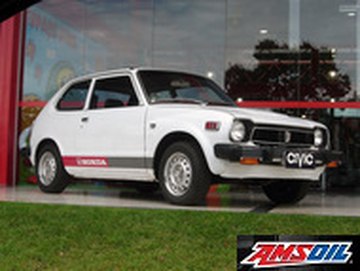
Lubrication Maintenance for the 1981 Honda CIVIC 1.3L
Maintaining a vehicle from the early 1980s requires a shift in perspective toward consistent monitoring and proactive inspection. For the 1981 Honda CIVIC with the 1.3L engine, regular lubrication service is a fundamental component of long-term mechanical health. Because older engines often operate with different tolerances and material compositions than modern counterparts, staying attentive to fluid condition and potential leaks is essential for preventing unexpected issues.
Monitoring Fluid Integrity and Consumption
One of the most effective ways to monitor the health of a 1.3L engine is through regular observation of its lubricant. Rather than waiting for a scheduled service interval, an owner can gain significant insight by checking the oil level and appearance frequently. Changes in how much oil the engine uses over a specific period can be an important indicator of internal or external changes.
When inspecting the oil, look for several key characteristics:
- Color and Clarity: While used oil naturally darkens, extremely thick or sludge-like consistency may indicate extended service intervals or issues with thermal stability.
- Contamination: The presence of milky or frothy textures in the oil can suggest that other fluids are entering the lubrication system, which warrants immediate investigation.
- Level Fluctuations: If you notice the oil level dropping more rapidly than expected between checks, it is important to investigate the cause rather than simply adding more fluid.
It is also useful to observe any signs of unusual exhaust smoke. While different driving conditions can affect exhaust appearance, persistent changes may be associated with how the engine is managing its lubrication.
Systematic Inspection of Seals and Connections
As vehicles age, the materials used in gaskets and seals can undergo changes due to heat cycles and time. For a 1981 Honda CIVIC, performing routine visual inspections around the engine block and various connection points is a practical maintenance habit. Instead of assuming a component is failing, look for evidence of seepage or active leaks.
During a routine inspection, you might examine:
- Sealing Surfaces: Check areas where different engine components meet for any signs of dampness or oily residue.
- External Connections: Inspect various fittings and mounting points to ensure they remain secure and free from weeping fluids.
- Hoses and Lines: If the vehicle is equipped with various fluid-carrying hoses, check them for signs of cracking, softening, or bulging.
Identifying a small seepage early can often prevent more significant issues later. If you find evidence of a leak, it should be investigated to determine if it is a simple matter of tightening a connection or if a seal requires attention.
Prioritizing Maintenance Through Documentation
For long-term ownership of an older vehicle, establishing a maintenance baseline is highly beneficial. If the service history of the 1.3L engine is unknown, your first priority should be to document every service performed moving forward. This creates a reliable record that can help you distinguish between normal aging and new mechanical developments.
A well-maintained logbook should include:
- Dates and Mileage: Record exactly when each service was performed and the odometer reading at that time.
- Fluid Types: Note the specific lubricants and additives used during each change.
- Observations: Document any minor leaks, unusual noises, or component wear noted during inspections.
By reviewing these records, you can identify patterns. For example, if you notice that a certain seal has been slowly seeping for several months, you can plan a repair proactively rather than reacting to an emergency. This methodical approach allows you to distinguish between necessary preventive maintenance and unnecessary parts replacement.
Managing Aging Engine Components
When maintaining a vehicle of this era, it is more effective to base your service priorities on the current condition of the engine rather than strictly on its age. An engine that has been consistently serviced may require different attention than one with an inconsistent history. If you are working with a vehicle where the previous maintenance is unclear, focus on addressing any active warning signs or visible leaks first.
If applicable, inspect other age-sensitive components such as electrical connections and wiring harnesses. Ensuring that connectors are clean and free from corrosion helps maintain the integrity of the engine's electrical systems. Similarly, if the vehicle is equipped with various belts, check them for signs of glazing, fraying, or cracking, as these can impact the operation of accessory drives.
Effective Lubrication Strategies
The role of engine oil extends beyond simple lubrication; it also plays a part in managing heat and helping to control the buildup of deposits within the engine. For an older 1.3L engine, selecting a lubricant that maintains its properties under operating temperatures is vital. Some high-mileage oil formulations contain additives intended for use in aging engines, including seal-conditioning additives that may help manage minor seepage.
When considering different types of lubricants, such as conventional, synthetic blends, or full synthetics, remember that the goal is to match the specific needs of your engine's current state. Modern oil standards provide high levels of protection against oxidation and deposit formation, which can be beneficial for maintaining a clean internal environment.
Buying Engine Oil for your 1981 Honda CIVIC 1.3L
When you are ready to purchase new lubricant, the most important step is to match the oil to the application-specific information already displayed on this page. Do not rely on general automotive knowledge or assumptions based on the vehicle's age to select a viscosity; instead, use the specific viscosity and application details provided in the technical data above.
Before completing your purchase, always check the product labeling to ensure it meets the appropriate quality standards and certifications. If you are looking for specialized options, such as high-mileage formulations, verify that they are compatible with your specific engine requirements. By following the guidance provided in the application information on this page, you can ensure you are providing the correct lubrication for your 1981 Honda CIVIC 1.3L.