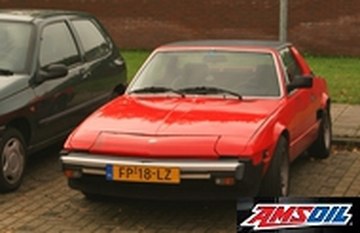
Lubrication Maintenance for the 1980 Fiat X1/9 1.5L
Understanding the 1.5L Engine Context
The 1980 Fiat X1/9 features a 1.5L engine, a component central to the vehicle's mechanical operation and driving dynamics. As an enthusiast-oriented vehicle from this era, maintaining the integrity of the lubrication system is a fundamental aspect of ownership. Proper care ensures that the internal components remain protected against friction and thermal stress during operation.
The Role of Engine Oil in Component Protection
Engine oil performs several vital functions that extend beyond simple lubrication. It acts as a medium for heat management, helping to dissipate thermal energy away from high-friction areas. Furthermore, the oil helps to suspend and carry away microscopic debris, preventing the buildup of deposits that can interfere with engine performance. Maintaining clean, fresh lubricant is essential for minimizing internal friction and ensuring the longevity of the engine's moving parts.
Selecting Lubricants for Your Engine
When choosing a replacement lubricant, it is important to prioritize quality and compatibility. While modern oil formulations offer various benefits—such as improved oxidation resistance or specialized additives for high-mileage engines—the most critical factor is matching the specific requirements of your engine. Some high-mileage oil formulations contain additives intended for use in aging engines, which may assist in maintaining seal integrity.
To ensure you are using the correct product, match the engine oil to the application-specific viscosity information shown above on this page. Always verify that any selected oil meets the appropriate API service classifications to ensure it provides the necessary level of protection for a 1980 model year application.
Observing Potential Maintenance Indicators
Being attentive to how the vehicle behaves can help identify when the lubrication system requires attention. Owners should be aware of several indicators that may warrant further investigation:
- Fluid Leaks: Any visible signs of oil pooling under the vehicle or seeping from various engine areas should be addressed promptly.
- Changes in Oil Appearance: If the oil appears excessively dark, gritty, or shows signs of contamination, it may indicate a need for a change or an investigation into the cause.
- Unusual Noises: Changes in the mechanical sound of the engine can sometimes be associated with changes in lubrication quality or levels.
- Consumption Trends: If you notice a frequent need to top off the oil, this may indicate that the engine is consuming lubricant at an unusual rate.
It is important to remember that these symptoms can have multiple causes, and a single observation does not definitively diagnose a specific mechanical failure. Professional inspection is often necessary to determine the root cause of such signs.
Routine Inspection Points
During routine service or oil changes, performing a visual inspection of the surrounding engine area can provide valuable information about the vehicle's condition. Consider checking the following:
- Gaskets and Seals: Inspect accessible gaskets and seals for signs of age-related seepage or leakage.
- Hoses and Connections: If present, check the condition of various hoses and electrical connections for signs of wear, cracking, or deterioration.
- Drive Components: If equipped, inspect accessible drive belts for cracking, glazing, fraying, or other signs of age-related wear.
- External Cleanliness: A clean engine bay makes it significantly easier to identify new leaks or seepage as they develop.
Long-Term Ownership and Record Keeping
For a vehicle of this age, establishing a clear maintenance baseline is highly beneficial. If you do not have access to the previous service history, begin documenting every oil change, filter replacement, and mechanical repair immediately. Detailed records allow you to track fluid consumption trends and identify patterns that might otherwise go unnoticed.
Consistent record-keeping helps distinguish between routine maintenance needs and emerging issues. As a vehicle ages, your focus may shift from strictly following intervals to monitoring the actual condition of components and fluids based on observed performance and physical evidence.
Prioritizing Maintenance Tasks
Effective maintenance for an older vehicle involves prioritizing tasks based on current condition rather than age alone. If you encounter active leaks or notice changes in how the engine operates, these should be addressed before proceeding with non-essential cosmetic or secondary repairs. Reviewing your existing service records can help you determine if any significant maintenance tasks have been deferred.
Rather than replacing parts simply because they are old, use visual inspections and fluid analysis to make informed decisions. This approach allows for a more practical and cost-effective way to manage the long-term health of the 1.5L engine.
Practical Advice for Buying Engine Oil for the 1980 Fiat X1/9 1.5L
When you are ready to purchase new lubricant, do not rely on general assumptions about what an older engine might need. Instead, refer directly to the application-specific viscosity and oil type information provided in the technical data section of this page. Before completing your purchase, check the product labels to ensure the oil meets the necessary standards and matches the specific requirements listed for your vehicle. Whether you choose a conventional, synthetic blend, or full synthetic formulation, the most important step is ensuring it aligns with the specifications displayed here.