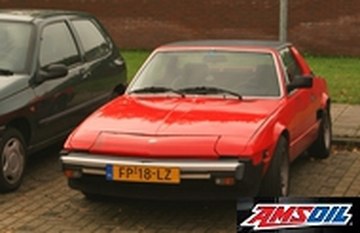
Lubrication Maintenance for the 1980 Fiat X1/9 1.5L
Understanding the 1.5L Engine Context
The 1980 Fiat X1/9 features a 1.5L engine (engine code 138BS031) that serves as a central component of this vehicle's mechanical operation. As an owner of a vehicle from this era, maintaining the internal lubrication system is a fundamental aspect of preserving the engine's functional integrity. Because these engines have specific requirements for how they manage heat and friction, staying attentive to fluid health is a practical necessity for long-term operation.
The Role of Engine Oil in Component Protection
Engine oil performs several vital tasks that go beyond simple lubrication. It acts as a medium for heat management, helping to carry thermal energy away from high-friction areas within the engine block. Furthermore, the oil helps to suspend and transport microscopic debris, preventing it from settling and forming deposits that could interfere with mechanical movement. Maintaining clean, fresh lubricant ensures that the internal surfaces remain protected against unnecessary wear caused by friction and oxidation.
Selecting an Appropriate Lubricant
When choosing a replacement lubricant for this 1.5L engine, it is essential to prioritize compatibility with the application requirements. Rather than relying on general automotive trends, you should match the engine oil to the application-specific viscosity information shown above on this page.
Modern lubricant technology offers various formulations, including conventional, synthetic blends, and full synthetics. Some high-mileage oil formulations contain additives intended for use in aging engines, such as seal-conditioning agents that may help maintain the integrity of older gaskets. Regardless of the formulation chosen, always verify that the product meets the appropriate API certification standards to ensure it provides the necessary level of protection and deposit control.
Observing Potential Warning Signs
Being proactive involves recognizing when the lubrication system requires immediate attention. While many issues are not apparent until they become significant, certain indicators warrant closer investigation:
- Fluid Leaks: Any visible pooling of oil under the vehicle or seepage around engine components should be addressed promptly.
- Changes in Appearance: If the oil appears excessively dark, gritty, or shows signs of contamination, it may indicate that a service interval has been exceeded or that an internal issue is present.
- Unusual Noises: Changes in the mechanical sound of the engine can sometimes be associated with changes in lubrication quality or levels.
- Consumption Trends: If you notice a need to frequently add oil between services, this may indicate unusual consumption that requires diagnosis.
It is important to remember that these symptoms can have multiple causes; therefore, they should be investigated rather than used as a definitive diagnosis of a specific part failure.
Routine Inspection and Age-Related Care
For a vehicle produced in 1980, routine maintenance should include regular visual checks of the engine compartment. When performing an oil change or other service, take the opportunity to inspect the following:
- Gaskets and Seals: Inspect accessible gaskets and seals for signs of age-related seepage or leakage.
- Hoses and Connections: If present, check the condition of various hoses and electrical connections for signs of cracking, brittleness, or wear.
- Drive Components: If equipped, inspect accessible drive belts for signs of glazing, fraying, or deterioration.
- Air Filtration: Ensure the air filtration system is clean to prevent contaminants from entering the combustion process.
Establishing a Maintenance Baseline
If you have recently acquired this Fiat X1/9 or do not have access to its full service history, establishing a maintenance baseline is a wise first step. This involves documenting all recent fluid changes, filter replacements, and mechanical repairs. By creating a clear record of what has been done, you can better monitor the vehicle's condition over time and distinguish between normal aging and actual mechanical issues. Consistent record-keeping allows you to identify patterns in fluid consumption or leakage that might otherwise go unnoticed.
Prioritizing Long-Term Engine Health
As a vehicle ages, maintenance priorities may shift from strictly following a schedule to responding to the actual condition of the components. Rather than replacing parts based solely on their age, focus on addressing active leaks, unusual noises, or changes in fluid behavior first. Using the current physical condition of the engine as your guide allows for more efficient and effective maintenance decisions. Always prioritize tasks that directly impact the engine's ability to operate smoothly and stay properly lubricated.
Practical Advice for Buying Engine Oil for your 1980 Fiat X1/9 1.5L
When you are ready to purchase new lubricant, do not make assumptions based on the vehicle's age or general engine size. The most reliable way to ensure a correct match is to consult the application-specific viscosity and oil information provided in the technical data section of this page. Before completing your purchase, check the product labels to confirm that the oil meets the necessary quality standards and matches the specific requirements for your 1.5L engine. This ensures that the lubricant you select provides the appropriate thermal stability and protection required for your specific application.