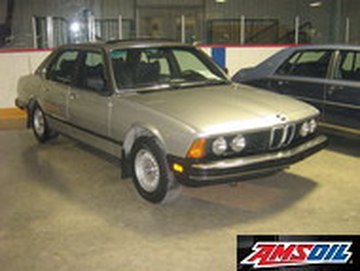


Maintaining Lubrication Standards for the 1983 BMW 733i 3.2L
Proper engine care for a vehicle like the 1983 BMW 733i requires an understanding of how mechanical components interact over decades of operation. The M30 B32 engine is a significant component of this vehicle's identity, and maintaining its internal health depends heavily on consistent lubrication practices and attentive monitoring of fluid conditions.
Monitoring Fluid Integrity and Potential Seepage
As vehicles age, the integrity of various seals and gaskets can change due to thermal cycling and the natural aging of rubber and composite materials. For an owner of a 1983 BMW 733i, regular visual inspections are a fundamental part of a proactive maintenance strategy. Rather than waiting for a visible puddle to form on the driveway, it is more effective to look for signs of early-stage seepage.
When performing routine checks under the hood or beneath the vehicle, look for the following:
- Surface Seepage: Look for dampness or "wet" looking areas around engine junctions. This can indicate that a seal is beginning to allow minute amounts of fluid to escape.
- Residue Accumulation: Dust and road grime often cling to areas where a small amount of oil has escaped, creating a dark, gritty buildup. Identifying these spots early allows for better planning of future repairs.
- Fluid Color and Consistency: If you are checking the oil level via the dipstick, observe the color. While oil naturally darkens with use, extremely thick or unusual textures can warrant further investigation into the engine's operating condition.
It is important to note that many different components can contribute to fluid loss. A single symptom, such as a small stain on the ground, does not automatically point to one specific part; it simply serves as a signal that a closer inspection of all relevant seals and gaskets is necessary.
Managing Long-Term Engine Health
For those managing the long-term ownership of an M30 B32 powered vehicle, the goal is often to move from reactive repairs to a more structured maintenance baseline. If you do not have access to a complete service history for the 1983 BMW 733i, establishing your own record of recent work is a vital first step.
A reliable maintenance approach involves documenting every fluid change, filter replacement, and mechanical inspection. This creates a roadmap that helps you distinguish between normal aging and unexpected changes in vehicle behavior. For example, if you notice a slight increase in lubricant consumption over several months, having a record of exactly when the last oil change occurred can help determine if the rate of consumption is accelerating.
When prioritizing tasks, focus on addressing active concerns first—such as visible leaks or unusual noises—before moving into preventive measures. As the vehicle continues to age, your inspection priorities may shift from purely mechanical components to more sensitive items like electrical connections and the condition of various hoses and belts, if equipped.
Observing Operational Indicators
Beyond visual inspections, an owner can learn a great deal by paying attention to how the engine behaves during different stages of operation. Changes in the way the vehicle runs can be early indicators that lubrication or other vital systems require attention.
If you notice changes in the smoothness of the engine's idle or if there are unusual mechanical sounds that were not previously present, these should be investigated. Similarly, any unexpected odors during or after operation can be associated with various factors, including fluids contacting hot surfaces. Because symptoms like smoke or noise can have many different underlying causes, they should be treated as prompts for a professional diagnostic check rather than definitive proof of a specific component failure.
Monitoring the dashboard for any warning indicators is also essential. If an oil-related indicator illuminates, it warrants immediate investigation to ensure the engine is receiving adequate lubrication under all operating conditions.
The Role of High-Mileage Formulations
As engines accumulate significant years of service, some owners consider different lubricant technologies. Some high-mileage oil formulations contain additives intended for use in aging engines. These specialized products often include seal-conditioning additives designed to help maintain the flexibility of various gaskets and seals.
While these formulations can be a useful tool in a maintenance toolkit, they are not a substitute for addressing significant mechanical leaks. They are best viewed as a way to support the continued integrity of aging components rather than a method for repairing existing damage. The decision to use such a product should be based on the current condition of the engine and the specific goals of the owner.
Practical Inspection of Auxiliary Components
While much focus is placed on the internal engine, the components that support its operation also require regular scrutiny. For the 1983 BMW 733i, this includes checking any accessible drive belts, if equipped, for signs of wear such as cracking, glazing, or fraying. Similarly, inspecting hoses for brittleness or swelling can prevent unexpected cooling or vacuum issues.
Electrical integrity is another important factor in long-term maintenance. Ensuring that wiring and electrical connectors remain clean and free from corrosion helps maintain the reliability of sensors and ignition components. A systematic approach—checking these items during every oil service—ensures that small issues are caught before they escalate into more significant mechanical interruptions.
Buying Engine Oil for your 1983 BMW 733i 3.2L
When it is time to replenish the lubrication in your engine, accuracy in selection is paramount. To ensure the best possible protection and performance for the M30 B32, you must match the engine oil to the application-specific viscosity information shown above on this page.
Before making a purchase, follow these practical steps:
- Verify Viscosity: Do not rely on general knowledge or assumptions based on the vehicle's age. Always use the specific SAE viscosity listed in the application data provided here.
- Check API Certification: Ensure the product carries a current and appropriate API certification to confirm it meets modern standards for detergent and anti-wear properties.
- Evaluate Oil Type: Depending on your maintenance goals, you may choose between conventional, synthetic blends, or full synthetic oils. Review the product labeling carefully to ensure the oil is suitable for the specific requirements of your engine.
- Inspect Packaging: Always check the product label at the point of purchase to confirm that the viscosity and specifications match exactly what your vehicle requires.