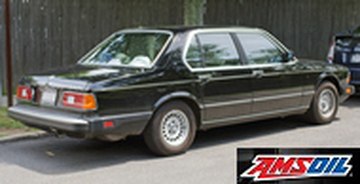


Engine Lubrication Care for the 1981 BMW 733i 3.2L
Maintaining a high-performance engine from the early 1980s requires a disciplined approach to fluid management and routine inspections. The M30 B32 engine found in this vehicle is a significant component of its mechanical identity, and ensuring it receives proper lubrication is central to long-term operational stability. Because older engines operate under different thermal and mechanical stresses than modern counterparts, owners should focus on consistent monitoring and high-quality lubricant selection.
Monitoring Fluid Integrity and Condition
Regularly checking the condition of engine oil is one of the most effective ways to monitor the internal health of the 3.2L powerplant. Rather than simply looking at the level, an observant owner should examine the physical characteristics of the lubricant. Changes in color or texture can provide early indicators of various mechanical or chemical processes occurring within the engine.
If the oil appears excessively dark or contains visible particulate matter, it may indicate that the lubricant is reaching the end of its effective service life or that internal components are shedding microscopic debris. Furthermore, any milky or cloudy appearance in the oil warrants immediate investigation, as this can be associated with the presence of other fluids entering the lubrication system. Maintaining a clean and consistent oil state helps ensure that the engine's moving parts remain protected against friction and heat.
Observing Potential Warning Signs
While many mechanical issues develop gradually, certain symptoms serve as important signals that require closer attention. When performing routine checks, look for any evidence of fluid seepage around the engine block or associated sealing surfaces. Even small amounts of oil appearing on the exterior of the engine can indicate that gaskets or seals are beginning to lose their effectiveness due to age or heat cycles.
Beyond visible leaks, pay attention to how the vehicle behaves during operation. Unusual mechanical noises that coincide with changes in engine speed may be related to lubrication levels or quality. Additionally, if you notice an increase in lubricant consumption—requiring more frequent top-offs than usual—it is important to investigate the cause. These symptoms do not always point to a single specific failure; they can be associated with various factors ranging from aging seals to changes in operating temperature. Addressing these signs early can prevent more significant mechanical complications.
Prioritizing Maintenance Based on Current Condition
For an owner of a 1981 BMW 733i, the most effective maintenance strategy is often based on the actual condition of the vehicle rather than strictly following age-based assumptions. While time inevitably affects rubber components and fluids, every vehicle's history is unique. A practical approach involves establishing a baseline by thoroughly inspecting all accessible service points.
If you are stepping into ownership without a complete service history, your first priority should be to verify the current state of all vital fluids and aging materials. This includes checking the condition of hoses, if present, and inspecting any accessible belts for signs of cracking, glazing, or fraying. By addressing active leaks or visible wear immediately, you create a stable foundation for future preventive maintenance. Once the vehicle is in a known, stable condition, you can transition from reactive repairs to a more structured schedule of observation and routine service.
The Role of Lubrication in Engine Longevity
Engine oil performs several critical roles that extend far beyond simple lubrication. It acts as a primary medium for heat management, helping to carry thermal energy away from high-friction areas within the engine. This helps maintain more stable operating temperatures, which is vital for the longevity of internal components.
Furthermore, modern lubricant formulations are designed with advanced additives that assist in deposit control. These additives help prevent the buildup of sludge and other contaminants that can accumulate over time due to heat and combustion processes. By maintaining clean oil, you ensure that the engine remains free from internal buildup that could otherwise impede mechanical efficiency. Consistent lubrication also provides a protective barrier that reduces friction, which is essential for minimizing wear during both cold starts and sustained high-speed operation.
Managing Aging Components and Seals
As vehicles age, the materials used in gaskets and seals can undergo changes in elasticity. In an engine like the M30 B32, it is wise to perform periodic visual inspections of the sealing surfaces. Rather than assuming a component will fail, look for signs of seepage or "sweating" around the edges of covers and junctions. This proactive monitoring allows you to distinguish between a minor, stable seep and a developing leak that could lead to significant fluid loss.
It is also beneficial to inspect electrical connections and wiring harnesses for any signs of brittleness or corrosion. While not directly related to oil, the overall electrical health of the vehicle supports the sensors and monitoring systems that help you keep track of engine performance. A holistic view of the engine bay—looking at everything from fluid levels to the integrity of various hoses and belts—ensures that no single neglected component compromises the entire system.
Practical Guidance for Buying Engine Oil for your 1981 BMW 733i 3.2L
When it is time to replenish your engine's lubricant, the most important step is to ensure the product matches the specific requirements of your engine. To select the correct oil, match the engine oil to the application-specific viscosity information already displayed on this webpage.
As you shop for products, consider the following practical tips:
- Verify the Label: Always check the product packaging to ensure the SAE viscosity and API service classifications align with the data provided in your vehicle's application information.
- Evaluate Formulations: Depending on your specific needs, you may choose between conventional, synthetic blends, or full synthetic oils. Some high-mileage oil formulations contain additives intended for use in aging engines, including seal-conditioning additives that may be beneficial for older sealing surfaces.
- Check Quality Standards: Look for modern API certifications on the bottle to ensure the oil meets current standards for cleanliness and additive performance.
- Avoid Assumptions: Do not rely on general knowledge or similar engine types to determine viscosity; always refer back to the specific application details listed on this page to ensure a proper match for your 1981 BMW 733i 3.2L.