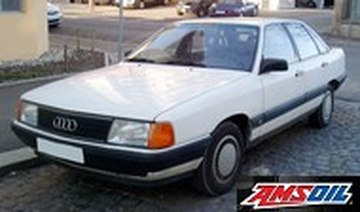
Lubrication Maintenance for the 1983 Audi 5000 2.2L
Maintaining the engine lubrication system in a 1983 Audi 5000 with the 2.2L engine requires consistent attention to fluid condition and component integrity. As vehicles age, the way they manage heat and internal friction becomes increasingly dependent on the quality of the lubricants used and the cleanliness of the engine environment. For owners of this specific Audi model, proactive monitoring can help identify potential issues before they escalate into more significant mechanical concerns.
Monitoring Fluid Integrity and Condition
One of the most effective ways to monitor the health of the 2.2L engine is through regular observation of the engine oil itself. The appearance and consistency of the lubricant can provide important clues regarding the internal state of the engine. When performing routine checks, it is useful to look for several specific indicators:
- Color and Clarity: While oil naturally darkens as it accumulates microscopic debris and undergoes thermal cycles, an extremely rapid change in color or a milky appearance may warrant further investigation.
- Consistency: The texture of the oil should remain relatively uniform. Significant thickening or the presence of unexpected particulates can indicate that the lubricant is no longer performing its intended role effectively.
- Odor: Unusual smells associated with the engine oil can sometimes be linked to external factors, such as fluids contacting hot surfaces, and should not be ignored.
If any significant changes in the oil's appearance or smell are noted, it is advisable to investigate the cause rather than simply performing an oil change. These symptoms can have multiple origins, ranging from simple contamination to more complex mechanical issues that require professional diagnosis.
Observing Potential Warning Signs
Beyond the physical properties of the oil, owners should remain vigilant for external signs that the lubrication system or related engine components may require attention. Because many systems are interconnected, a single symptom often requires a thorough inspection to determine the actual source.
Visible fluid seepage is a primary indicator that warrants attention. If you notice wetness around various sealing surfaces or on the underside of the engine, it may indicate that gaskets or seals are beginning to show signs of age-related wear. Similarly, if the vehicle exhibits unusual mechanical noises during operation, this can be associated with various lubrication or mechanical conditions and should be investigated promptly.
It is also important to monitor for any changes in how the engine operates following a service interval. If an unusual sound or behavior emerges shortly after maintenance has been performed, it is helpful to review the service steps taken to ensure all components were correctly reassembled and that the correct fluids were utilized. Always remember that symptoms like smoke or unusual noises are not definitive diagnoses but rather signals that a closer inspection is necessary.
Prioritizing Long-Term Engine Care
As a 1983 Audi 5000 moves through its later years of service, maintenance priorities often shift from purely scheduled tasks to condition-based monitoring. Rather than following a rigid timeline, an effective approach involves assessing the actual state of the vehicle's components.
Establishing a maintenance baseline is particularly helpful if the previous service history of the 2.2L engine is incomplete or unknown. By documenting every fluid change, filter replacement, and inspection, you create a reliable record that helps distinguish between normal aging and unexpected changes in performance. This documentation allows you to notice subtle trends, such as a gradual increase in lubricant consumption or a slow change in how the engine responds to different operating conditions.
When managing an older vehicle, it is often more productive to address active signs of wear—such as minor seepage or slight changes in fluid quality—rather than replacing parts that are still functioning within acceptable parameters. This distinction between preventive maintenance and unnecessary replacement helps ensure that resources are directed toward the areas that most impact the engine's continued operation.
Inspecting Aging Engine Components
A comprehensive approach to maintaining a 1983 Audi 5000 includes inspecting various peripheral components that support the engine's operation. While the oil is central to lubrication, other parts of the engine bay must be kept in good condition to prevent secondary issues.
If equipped, accessible drive belts should be inspected regularly for signs of deterioration such as cracking, glazing, or fraying. Similarly, if the vehicle is equipped with various hoses, checking them for softness, brittleness, or leaks is a prudent part of a routine inspection. Electrical connections and wiring harnesses should also be examined for signs of corrosion or damage, as stable electrical signals are vital for proper engine management.
Furthermore, ensuring that the air filtration system is clean is essential. A restricted air intake can affect how the engine breathes, which in turn influences the combustion environment and the overall cleanliness of the engine oil. Keeping these supporting systems in good repair helps maintain a stable environment for the lubrication system to function as intended.
Effective Record Keeping for Ownership
For the long-term owner of an Audi 5000, maintaining a detailed service log is one of the most valuable tools available. A well-kept record should include not only the dates and mileage of oil changes but also specific details regarding the products used and any observations made during inspections.
If you notice a small leak or a minor change in engine sound, recording it immediately—even if no repair is performed right away—allows you to track whether that issue is stable or progressing. This historical data is invaluable when deciding when a component truly needs replacement versus when it simply requires continued monitoring. Consistent record-keeping transforms maintenance from a reactive process into a controlled, informed strategy for vehicle preservation.
Buying Engine Oil for the 1983 Audi 5000 2.2L
When you are ready to replenish the lubrication in your 1983 Audi 5000 2.2L, it is essential to select a product that aligns with the specific requirements of your engine. To ensure proper protection and performance, match the engine oil to the application-specific viscosity information already displayed on this page.
Before making a purchase, always verify the product labeling to confirm it meets the necessary standards for your vehicle. Depending on your specific needs and the current condition of your engine, you may choose between conventional oils, synthetic blends, or full synthetic formulations. Some high-mileage oil formulations also contain additives intended for use in aging engines, including seal-conditioning additives that may be beneficial for vehicles showing signs of minor seepage.
Avoid making assumptions based solely on the age of the vehicle or general automotive trends. The most reliable way to select the correct lubricant is to follow the specific viscosity and application guidance provided in the technical data above. By adhering to these documented specifications, you ensure that the oil provides the appropriate level of protection for your 2.2L engine's unique operating requirements.