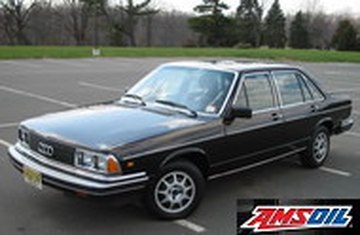
1980 Audi 5000 2.0L Oil Change and Maintenance Guide
ABOUT THIS VEHICLE AND ENGINE
The 1980 Audi 5000 represents a specific era of Audi's development in the executive sedan segment. This particular vehicle is equipped with a 2.0L diesel engine, identified by the CN engine code. Diesel engines from this period operate under different mechanical principles than their gasoline counterparts, requiring specific attention to lubrication and filtration to maintain performance and longevity.
As a diesel-powered model, the 1980 Audi 5000 relies on compression ignition. Maintaining the integrity of the engine's internal components through proper fluid management is a fundamental aspect of long-term ownership for this vehicle type.
CHOOSING ENGINE OIL
Selecting the correct lubricant for your Audi 5000 diesel engine is critical for its continued operation. Because different engines have unique requirements regarding additive packages and chemical compositions, you should match the engine oil to the application-specific viscosity information shown above on this page.
When choosing an oil, consider the following factors:
- Oil Type: Depending on your specific needs, you may choose between conventional mineral oils, synthetic oils, or synthetic blends.
- API Certification: Ensure the oil meets the appropriate API (American Petroleum Institute) service categories for diesel engines to ensure adequate protection against soot and oxidation.
- High-Mileage Formulations: Some high-mileage oil formulations contain additives intended for use in aging engines, including seal-conditioning additives that may assist with maintaining the integrity of older gaskets.
- Thermal Stability: Diesel combustion environments can be demanding; selecting an oil with high thermal stability helps prevent the breakdown of the lubricant under heat.
WHY ENGINE OIL MAINTENANCE MATTERS
Regular maintenance is essential for any engine, but it serves several vital functions in a diesel application. Engine oil acts as the primary medium for reducing friction between moving internal parts. Without adequate lubrication, metal-on-metal contact can lead to rapid wear of bearings and other critical components.
Beyond lubrication, the oil plays a significant role in heat management by helping to carry thermal energy away from high-temperature zones within the engine. Furthermore, clean oil helps manage contaminants. Over time, combustion processes can introduce particulates into the lubricant; regular changes prevent these particles from forming sludge or deposits that could otherwise restrict fluid flow and impede engine efficiency.
AGE-RELATED MAINTENANCE
Given that a 1980 Audi 5000 is a vintage vehicle, certain age-related inspections are prudent during routine service. As rubber and various seal materials age, they may lose their elasticity or become brittle.
Owners should perform regular visual inspections of the following areas:
- Gaskets and Seals: Inspect for any signs of seepage or fluid leakage around engine components.
- Hoses and Belts: Check all accessible hoses for cracking, softening, or bulging. If equipped, inspect drive belts for signs of fraying, glazing, or deterioration.
- Cooling System: Monitor the condition of the cooling system to ensure there is no evidence of leaks or previous overheating.
- Electrical Connections: Inspect wiring and connectors for signs of corrosion or age-related wear.
- Air Filtration: Ensure the air filtration system is clean to prevent debris from entering the engine intake.
WHAT TO INSPECT DURING AN OIL CHANGE
A 1980 Audi 5000 oil change provides an ideal opportunity to perform a broader vehicle health check. When performing your maintenance, consider inspecting these specific areas:
- Drain Plug and Sealing Washer: Verify the condition of the drain plug and ensure the sealing washer is in good condition to prevent leaks.
- Oil-Filter Sealing Area: Inspect the area around the oil filter for any signs of seepage or improper installation.
- Fluid Integrity: Check for any evidence of leaks from accessible gaskets and seals.
- System Components: Look for the condition of accessible belts, hoses, and wiring.
- Maintenance History: Look for any visible signs of neglected maintenance, such as excessive sludge or heavy deposits, which may indicate a need for more frequent service intervals in the future.
OIL-RELATED WARNING SIGNS
While many issues can stem from various sources, certain symptoms should warrant closer investigation during your 1980 Audi 5000 maintenance routine. If you notice any of the following, it may indicate a need for professional inspection:
- Unexplained Oil Loss: A sudden or consistent drop in oil levels without a visible source can be associated with various internal or external factors.
- Visible Leakage: Puddles under the vehicle or wetness on engine components should be investigated.
- Abnormal Oil Appearance: If the oil appears excessively dark, gritty, or contains unexpected particulates, it may indicate contamination.
- Unusual Engine Noise: Changes in the sound of the engine can sometimes be linked to lubrication issues.
- Burning Odors: An odor that suggests oil is contacting hot surfaces should be addressed promptly.
Please note that symptoms can have multiple causes, and a single sign does not always point to one specific failed component.
VEHICLE HISTORY AND LONG-TERM OWNERSHIP
Owning a classic diesel vehicle like the Audi 5000 requires a commitment to documented maintenance. Keeping detailed records of oil changes, filter replacements, and any repairs performed can be invaluable for long-term ownership. When performing repairs or maintenance, verifying that replacement parts are compatible with this specific 2.0L CN diesel engine is essential.
As these vehicles age, the condition of age-sensitive rubber components and the integrity of the cooling system become increasingly important to monitor. Consistent attention to these areas helps mitigate the effects of time on the vehicle's mechanical systems.
MAINTAINING AN OLDER 1980 Audi 5000
Preventative inspection is the cornerstone of maintaining an older vehicle. Rather than waiting for a component to fail, proactive checks can help identify issues before they escalate. For the 1980 Audi 5000, this includes monitoring the service history to ensure no maintenance tasks have been overlooked. Regular attention to air filtration, cooling system integrity, and the condition of electrical connectors ensures that the vehicle remains as reliable as possible despite its age.
BUYING ENGINE OIL FOR THE 1980 Audi 5000 2.0L
When purchasing oil for your 1980 Audi 5000, always prioritize quality and application compatibility. It is vital to match the engine oil to the application-specific viscosity information already displayed on this page.
To ensure proper protection, look for reputable brands that offer appropriate API certifications for diesel engines. Depending on your vehicle's current condition and your maintenance goals, you may choose between conventional oils or more advanced synthetic and synthetic-blend options. If the engine has high mileage, you might consider high-mileage formulations which include seal-conditioning additives. Always ensure that the product you select is intended for use in your specific 2.0L diesel application.