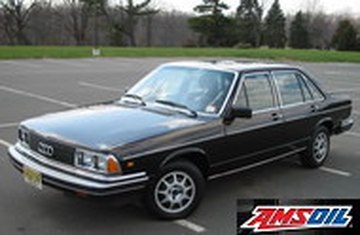
1980 Audi 5000 2.1L Oil Change and Maintenance Guide
ABOUT THIS VEHICLE AND ENGINE
The 1980 Audi 5000 represents a specific era of Audi's development in the executive sedan segment. This particular vehicle is equipped with a 2.1L engine, identified by the engine code WE. As a model from the early 1980s, it features engineering characteristic of its time, emphasizing a balance of performance and refinement for the period.
Maintaining an older vehicle like this requires an understanding of how mechanical components age over several decades. Proper care of the 2.1L engine is essential for preserving the operational integrity of the powertrain and ensuring the longevity of the various interconnected systems within the engine bay.
CHOOSING ENGINE OIL
Selecting the correct Audi 5000 engine oil is a critical step in routine maintenance. Because different formulations offer varying levels of protection, it is important to choose an oil that meets the specific needs of this 2.1L engine. When selecting a lubricant, consider the following options:
- Conventional Oil: A standard mineral-based lubricant suitable for many older engine designs.
- Synthetic and Synthetic Blends: These formulations often provide enhanced thermal stability and better resistance to oxidation compared to conventional oils.
- High-Mileage Formulations: Some high-mileage oil formulations contain additives intended for use in aging engines, including seal-conditioning additives that may assist with maintaining the integrity of older components.
To ensure compatibility, match the engine oil to the application-specific viscosity information shown above on this page. Additionally, look for oils that meet current API certifications to ensure the lubricant provides modern standards of deposit control and engine cleanliness.
WHY ENGINE OIL MAINTENANCE MATTERS
Regularly changing the oil is one of the most important aspects of 1980 Audi 5000 maintenance. The engine oil serves several vital functions that cannot be overlooked:
- Friction Reduction: Oil creates a protective film between moving internal parts, reducing friction and wear during operation.
- Heat Management: As fluid circulates through the engine, it helps carry heat away from critical components.
- Contamination Control: Fresh oil helps suspend and remove microscopic debris, preventing the buildup of sludge and harmful deposits that can restrict movement or cause internal issues.
- Component Protection: Consistent lubrication is necessary to protect bearings and other moving parts from premature wear caused by metal-on-metal contact.
Neglecting oil changes can lead to increased friction, higher operating temperatures, and the accumulation of contaminants, all of which can compromise engine health over time.
AGE-RELATED MAINTENANCE
Given that this is a 1980 model, certain age-related inspections are highly beneficial during routine service. As rubber and plastic components naturally degrade over decades, proactive monitoring can help identify issues before they lead to significant problems.
- Gaskets and Seals: Inspect accessible gaskets and seals for signs of age-related seepage or leakage.
- Hoses and Belts: Check the condition of visible hoses and, if equipped, inspect accessible drive belts for cracking, glazing, fraying, or other signs of deterioration.
- Cooling System: Monitor the cooling system for any evidence of leaks or signs of previous overheating.
- Electrical Connections: Inspect wiring and electrical connectors for brittleness, corrosion, or damage to the insulation.
- Air Filtration: Ensure the air filtration system is clean to prevent debris from entering the engine intake.
WHAT TO INSPECT DURING AN OIL CHANGE
A 1980 Audi 5000 oil change provides an excellent opportunity to perform a broader visual inspection of the engine compartment. When performing this service, consider checking the following:
- Sealing Areas: Examine the oil-filter sealing area and the condition of the drain plug and its sealing washer.
- Leak Detection: Look for any evidence of active leaks around various engine components or connections.
- Fluid Integrity: Check the appearance of the old oil; abnormal color or texture can sometimes indicate internal issues.
- Peripheral Components: Inspect the condition of accessible hoses, wiring, and connectors that may be affected by heat and age.
- Maintenance History: Look for signs of previous neglect, such as heavy sludge buildup or improper part installations, which may inform future service needs.
OIL-RELATED WARNING SIGNS
While many issues are not immediately apparent, certain symptoms should warrant closer investigation during your 1980 Audi 5000 maintenance routine. It is important to remember that symptoms can have multiple causes and do not always point to a single failed component.
- Unexplained Oil Loss: If the vehicle requires more oil than usual between service intervals, it may indicate a leak or other consumption issue.
- Visible Leakage: Puddles under the vehicle or wetness on engine components should be investigated.
- Burning Odors: A burning-oil odor may indicate oil contacting a hot surface.
- Unusual Engine Noise: Any new or abnormal sounds coming from the engine during operation should be addressed by a professional.
- Abnormal Oil Appearance: Significant discoloration or the presence of metallic contamination in the oil can be a sign of internal wear.
VEHICLE HISTORY AND LONG-TERM OWNERSHIP
Owning a classic vehicle like the 1980 Audi 5000 requires a commitment to detailed record-keeping. Maintaining thorough service history and records of previous repairs is invaluable for understanding the long-term health of the vehicle.
For long-term owners, verifying that replacement parts are correct for the specific 2.1L WE engine is essential. Furthermore, paying close attention to age-sensitive rubber components and the condition of the cooling system can help mitigate the risks associated with operating a vehicle that is several decades old. Consistent monitoring of electrical connections and ensuring proper air filtration will also support the continued operation of the vehicle.
MAINTAINING AN OLDER 1980 Audi 5000
Preventative inspection becomes increasingly important as vehicles age. For an older Audi, waiting for a component to fail can often lead to more complex and expensive repairs. Instead, focusing on regular inspections of the following can help maintain reliability:
- Fluid Integrity: Beyond engine oil, check other vital fluids for proper levels and condition.
- Seals and Hoses: Regularly inspect all visible hoses and seals for signs of hardening or cracking.
- Ignition Components: If applicable, inspect age-sensitive ignition components and electrical connections to ensure reliable starting and running.
- Cooling System Health: Ensure the cooling system is free of leaks and that all components are functioning to prevent overheating.
BUYING ENGINE OIL FOR THE 1980 Audi 5000 2.1L
When purchasing oil for your 1980 Audi 5000, always prioritize quality and compatibility. It is essential to match the engine oil to the application-specific viscosity information already displayed on this page.
Look for reputable brands that offer appropriate API certification to ensure the lubricant meets modern standards for engine protection. Depending on your specific needs and the condition of your engine, you may choose between conventional oil, synthetic oil, or high-mileage formulations which include seal-conditioning additives. Regardless of the type chosen, ensuring the product is designed for your exact vehicle and engine application is the most important factor in successful maintenance.