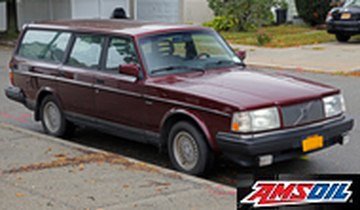
Maintaining Lubrication Standards for the 1981 Volvo 240 SERIES 2.1L
Effective engine management for a vehicle like the 1981 Volvo 240 SERIES requires a disciplined approach to fluid maintenance and component inspection. With the B21FT engine, which incorporates turbocharging technology, the thermal environment and lubrication requirements demand consistent attention to detail. Maintaining the integrity of the lubrication system is a primary factor in ensuring the long-term operational health of this specific powertrain.
Monitoring Fluid Integrity and Potential Leaks
A proactive approach to maintenance involves regular visual assessments of the engine bay to identify any signs of fluid loss. For an engine of this age, inspecting various sealing surfaces is a practical necessity. Owners should look for evidence of seepage or active leaks around gaskets and seals. Even minor amounts of oil appearing on the exterior of the engine block or near connection points can indicate that a seal is beginning to lose its effectiveness.
When performing routine checks, it is useful to observe the area surrounding the oil drain plug and the filter mounting area. If any residue or wetness is detected, it warrants further investigation to determine if the source is a loose component or a degrading gasket. Additionally, checking for signs of fluid contamination—such as an unusual odor or a significant change in the color and texture of the lubricant—can provide early indications that the oil has exceeded its effective service life or has been compromised by external elements.
Managing Engine Components and Aging Materials
As vehicles age, the materials used in various auxiliary systems may undergo changes in their physical properties. For the 1981 Volvo 240 SERIES, this means being mindful of components that are subject to heat and mechanical stress. If equipped, accessible drive belts should be inspected periodically for signs of deterioration, such as cracking, glazing, or fraying. Similarly, any visible hoses should be checked for softness, swelling, or brittleness, which could indicate they are nearing the end of their reliable service life.
Electrical connections and wiring harnesses also benefit from regular observation. Ensuring that connectors are secure and free from corrosion can prevent intermittent issues that might otherwise complicate engine performance. By addressing these secondary components during routine lubrication services, an owner can move from a reactive maintenance style to a more organized, preventive approach.
Observing Potential Operational Warning Signs
Understanding the symptoms that may indicate a need for immediate service is vital for any owner. While many issues can have multiple underlying causes, certain indicators should never be ignored. For instance, if an unusual mechanical noise develops during engine operation, it could be associated with various internal or external components and should be investigated promptly.
Changes in how the engine behaves—such as difficulty starting or unexpected changes in idling smoothness—can sometimes be linked to the condition of the lubrication or the efficiency of the air filtration system. Furthermore, if any warning indicators appear on the dashboard related to oil levels or pressure, the vehicle should be inspected immediately. It is important to remember that a single symptom does not provide a definitive diagnosis; rather, it serves as a signal that a professional assessment or a more thorough inspection is required to identify the actual cause.
Establishing a Maintenance Baseline through Documentation
For many owners of a 1981 Volvo 240 SERIES, the history of the vehicle may not be fully documented. In such cases, the first priority should be establishing a maintenance baseline. This involves performing a comprehensive inspection of all fluids and major service items to determine their current state. Once this baseline is set, the owner can begin keeping detailed records of every oil change, filter replacement, and mechanical repair.
Maintaining a consistent log of service dates, observed conditions, and parts used allows for better decision-making over time. This documentation makes it easier to identify patterns, such as how quickly certain components are wearing or if the engine is consuming more lubricant than expected. A well-kept history is one of the most effective tools for managing the long-term needs of a classic vehicle, allowing the owner to distinguish between routine maintenance and necessary repairs.
Prioritizing Service Tasks Based on Condition
Effective maintenance is not about replacing every part at a specific age; it is about prioritizing tasks based on the actual condition of the vehicle. An owner should focus on addressing active leaks, overdue fluid changes, or visible signs of wear before moving on to more speculative preventive measures. If the engine oil appears heavily contaminated or if there are signs of significant seepage, these issues take precedence over other non-critical inspections.
By focusing on the most immediate needs first, maintenance efforts are used more efficiently. This condition-based approach ensures that resources are directed toward maintaining the core functionality and safety of the 2.1L B21FT engine. As the vehicle continues to be operated, the owner can adjust their priorities based on what the ongoing inspections reveal, ensuring that the most critical systems always receive the necessary attention.
Practical Guidance for BUYING ENGINE OIL for your 1981 Volvo 240 SERIES 2.1L
When it is time to replenish the lubrication in your 1981 Volvo 240 SERIES 2.1L, the most important step is to ensure the product matches the specific requirements of your engine. Rather than relying on general assumptions about older vehicles or common oil types, you should always refer to the application-specific viscosity and lubricant information provided on this webpage.
Before completing a purchase, carefully check the product labeling to confirm that the oil meets the necessary standards for your specific application. You may encounter various formulations, including conventional, synthetic blends, or full synthetic oils. While some high-mileage formulations contain additives intended for use in aging engines, such as seal-conditioning agents, the choice should ultimately be guided by the technical specifications listed in your vehicle's documentation and the information displayed here. Always verify that the oil you select is appropriate for the 2.1L B21FT engine to ensure optimal performance and protection.