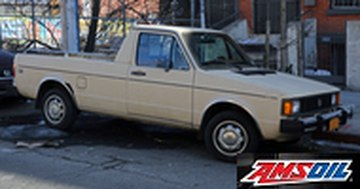
Maintaining Lubrication Standards for the 1981 Volkswagen RABBIT 1.7L
Proper engine care for a vehicle like the 1981 Volkswagen RABBIT 1.7L involves more than just periodic fluid changes; it requires an understanding of how aging mechanical systems respond to different lubricants and environmental factors. As these engines continue to operate, maintaining the integrity of the lubrication system becomes a primary focus for ensuring continued performance and minimizing unexpected mechanical issues.
Monitoring Fluid Integrity and Potential Seepage
For owners of a 1981 Volkswagen RABBIT, regular visual inspections are one of the most effective ways to monitor the health of the engine. Rather than waiting for a significant event, a proactive approach involves looking for subtle signs of fluid movement around the engine block and associated components.
When performing routine checks, pay close attention to the following areas:
- Gasket and Seal Condition: Inspect various sealing surfaces for any evidence of seepage. Over time, heat cycles can affect the ability of gaskets to maintain a tight seal. Any dampness or dark residue around mating surfaces may indicate that a seal is beginning to age.
- External Fluid Patterns: Look for fresh wet spots on the underside of the engine or on the ground where the vehicle is parked. It is important to distinguish between minor, non-active seepage and active leaks that could lead to low fluid levels.
- Drain Areas: Ensure that the areas around the oil drain plug and filter mounting surfaces are clean. Accumulated grime can often hide small leaks, making it difficult to identify exactly where a fluid might be escaping.
If you notice changes in how fluids behave or see new signs of moisture near engine components, these observations should be investigated to prevent more significant issues down the road.
Observing Changes in Engine Behavior
Beyond visual inspections, an owner can learn a great deal about the lubrication state by paying attention to how the vehicle operates. Changes in the way the 1.7L engine sounds or performs can be early indicators that the lubrication system requires attention.
Unusual mechanical noises during startup or while idling may warrant closer inspection. While many sounds are normal for a vehicle of this age, any new or persistent rhythmic tapping or knocking should not be ignored. Similarly, if you notice an unusual odor that seems related to heat, it could indicate that fluid is contacting a hot engine component. Such symptoms can have multiple causes, ranging from minor seepage to more complex issues, and they always benefit from a professional diagnostic review.
Furthermore, monitoring the consistency of fluid levels is vital. If you find yourself needing to add lubricant more frequently than in the past, this change in consumption pattern should be documented and investigated. Consistent monitoring allows you to establish what is "normal" for your specific engine, making it easier to spot deviations.
Prioritizing Maintenance Through Documentation
Effective long-term ownership of a 1981 Volkswagen RABBIT relies heavily on the quality of maintenance records. Whether you are the original owner or have recently acquired the vehicle, establishing a baseline is essential for making informed service decisions.
If the previous service history is unknown, your first priority should be to establish a clear record of all current and future maintenance. This includes documenting the dates and details of every oil change, filter replacement, and any repairs performed. Having a reliable history allows you to distinguish between routine preventive maintenance and necessary repairs prompted by actual wear.
When deciding which tasks to prioritize, consider the following hierarchy:
- Address Active Concerns: Any identified leaks, unusual noises, or changes in fluid levels should be addressed before moving on to general preventive tasks.
- Review Recent Service: Use your records to ensure that no critical service intervals have been overlooked and to avoid performing unnecessary work on components that were recently replaced.
- Monitor Aging Materials: As the vehicle ages, focus on inspecting flexible components like hoses (if present) and belts (if equipped) for signs of cracking, glazing, or fraying. These inspections should be based on the actual condition of the parts rather than just their age.
By maintaining a detailed log, you transform maintenance from a reactive chore into a strategic way to manage the vehicle's longevity.
Managing Aging Engine Components
As vehicles move into higher decades of service, the focus often shifts from simple part replacement to condition-based monitoring. For the 1981 Volkswagen RABBIT 1.7L, this means looking at how materials are holding up under real-world use.
Electrical connections and wiring should be inspected for signs of brittleness or corrosion, as these can affect various engine functions. Additionally, if the vehicle is equipped with an air filtration system, ensuring the filter is clean is a fundamental step in preventing contaminants from entering the combustion process. Even simple tasks, like checking that all caps and plugs are seated correctly, contribute to the overall health of the engine environment.
It is also useful to keep an eye on the cooling-system components, if present, for any signs of corrosion or leakage. A well-maintained cooling system works in tandem with a properly lubricated engine to manage the thermal stresses that occur during operation.
Strategies for Effective Lubricant Selection
Selecting the right lubricant involves understanding the specific needs of your engine's current condition. While modern oil technology offers many options, including conventional, synthetic blends, and full synthetics, the choice should always be guided by the application-specific information provided for your vehicle.
Some owners choose high-mileage formulations, which may contain additives intended to help maintain the integrity of aging seals. These can be a useful consideration if you have observed minor seepage or are managing an engine with significant service history. However, the most important factor is ensuring that any lubricant you select matches the requirements listed in your vehicle's technical documentation.
When evaluating products, always check the labels for appropriate certifications and ensure they meet the standards required for your specific 1.7L application. Avoid making assumptions based solely on the age of the car; instead, rely on the verified specifications provided by the service literature or the information displayed on this page.
Buying Engine Oil for your 1981 Volkswagen RABBIT 1.7L
When you are ready to purchase new lubricant, the most reliable method is to match your selection directly to the vehicle-specific oil viscosity and application information already displayed on this webpage. Because different engines have specific requirements for how they flow and protect internal components, following the provided data is essential.
Before completing your purchase, verify that the product packaging clearly states it meets the necessary standards. Whether you opt for a conventional oil or a more advanced synthetic formulation, ensure the viscosity grade aligns with the application details shown above. By prioritizing these specific technical matches over general automotive trends, you ensure that your 1981 Volkswagen RABBIT 1.7L receives the exact type of lubrication it needs to operate effectively.