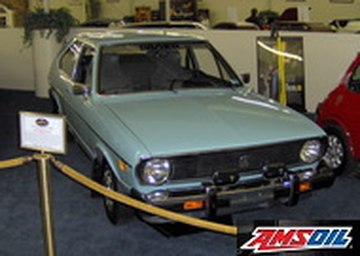
Maintaining Lubrication Standards for the 1980 Volkswagen DASHER 1.5L
Proper engine maintenance is a cornerstone of vehicle longevity, particularly for an engine like the 1.5L CK Diesel found in this 1980 Volkswagen Dasher. Maintaining the correct lubrication profile ensures that internal components operate with minimal friction and optimal thermal management. Because diesel engines operate under specific mechanical stresses, staying attentive to fluid health and component integrity is a vital part of responsible ownership.
Monitoring Fluid Integrity and Potential Seepage
A proactive approach to maintenance involves regular visual inspections of the engine bay to identify any changes in the vehicle's operating condition. For an older vehicle, observing the area around the engine for signs of fluid seepage is a practical starting point. While some level of moisture or residue can occur as gaskets and seals age, identifying new or increasing amounts of fluid can help prevent more significant issues.
When performing routine checks, look for:
- Evidence of fluid accumulation on the underside of various engine components.
- Drips or staining on the ground beneath where the vehicle is parked.
- Changes in the appearance or smell of the lubricant during an oil check.
If you notice unexpected fluid loss, it warrants a closer investigation to determine if the source is a seal, a gasket, or a connection that has loosened over time. Addressing minor seepage early can often prevent more extensive mechanical complications.
Observing Operational Warning Signs
Beyond visual inspections, paying attention to how the vehicle behaves during operation provides critical feedback regarding its health. Changes in engine behavior can sometimes be associated with lubrication or cooling issues. It is important to remember that symptoms are rarely definitive on their own; they often indicate that a system requires professional inspection.
An owner should remain alert to several indicators:
- Unusual Noises: Any new mechanical sounds, such as knocking or tapping, should be investigated promptly.
- Exhaust Observations: Changes in the color or consistency of exhaust smoke can sometimes indicate changes in how the engine is processing fuel or managing internal fluids.
- Temperature Fluctuations: If the vehicle shows signs of overheating, it may be related to the cooling system or the efficiency of heat dissipation within the engine.
If any of these symptoms arise, they should not be ignored. A professional diagnostic check can help determine whether a symptom is caused by a minor adjustment or a component that requires replacement.
Prioritizing Long-Term Maintenance Decisions
As vehicles age, the strategy for maintenance often shifts from strictly following a schedule to managing the actual condition of the machine. For the 1980 Volkswagen Dasher, this means using the current state of the vehicle to dictate where your attention and budget should be directed.
One effective way to manage long-term ownership is to establish a maintenance baseline. If service records from previous years are unavailable, performing a comprehensive inspection of all major systems—including belts (if equipped), hoses, and electrical connections—can help you understand the current health of the vehicle. Once this baseline is established, you can more easily identify when a component is actually deteriorating rather than simply being old.
When deciding which tasks to prioritize, address active concerns first. This includes investigating any visible leaks, addressing warning lights, or resolving unusual noises. Once the immediate needs are met, you can transition into preventive maintenance, such as replacing aging hoses or inspecting electrical connectors for corrosion, to ensure continued reliability.
Managing Aging Engine Components
The materials used in an engine—such as rubber, plastic, and various sealants—are subject to environmental changes and heat cycles over decades. For a 1980 model, it is sensible to monitor these age-sensitive components even if they appear functional.
If equipped, inspect accessible drive belts for signs of cracking, glazing, or fraying. Similarly, check any visible hoses for signs of brittleness or swelling. While it is tempting to replace parts based solely on their age, a condition-based approach—where you replace components that show actual signs of wear—is often more efficient. Keeping a detailed log of when you inspected these items and what condition they were in can be an invaluable tool for predicting future needs.
The Role of High-Mileage Formulations
For engines that have seen significant use over many years, certain lubricant technologies may be worth considering. Some high-mileage oil formulations contain additives intended for use in aging engines. These formulations often include seal-conditioning additives designed to help maintain the integrity of various gaskets and seals. While these are not a substitute for repairing active leaks, they can be a useful component of a maintenance strategy for an older engine that is otherwise performing well.
Buying Engine Oil for your 1980 Volkswagen DASHER 1.5L
When it is time to replenish the lubrication in your 1980 Volkswagen Dasher 1.5L, accuracy in selection is paramount. Because different engines have specific requirements regarding chemical composition and viscosity, you must match the engine oil to the application-specific information provided on this page.
Before making a purchase, follow these practical steps:
- Verify Viscosity: Do not rely on general knowledge or assumptions based on the vehicle's age. Always use the specific viscosity listed in the application information displayed above.
- Check API Certification: Ensure the product carries the appropriate current API certification to guarantee it meets modern standards for detergent and anti-wear properties.
- Evaluate Oil Type: Depending on your maintenance goals, you may choose between conventional, synthetic blend, or full synthetic oils. If the engine shows signs of high mileage, you might consider a formulation specifically designed with seal conditioners.
- Inspect the Label: Always double-check the product packaging against the requirements listed in your vehicle's documentation to ensure a perfect match.
By adhering strictly to the application-specific data provided on this webpage, you ensure that your 1980 Volkswagen Dasher receives the correct lubrication for its specific engine configuration.