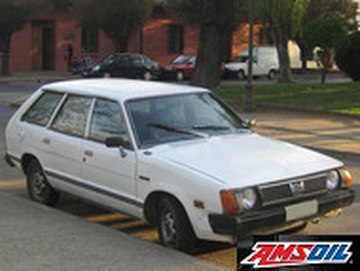
Engine Lubrication and Maintenance for the 1980 Subaru HATCHBACK 1.8L
Maintaining the mechanical integrity of a vehicle from 1980 requires a proactive approach to fluid management and component inspection. For the Subaru HATCHBACK equipped with the 1.8L EA81 engine, consistent attention to lubrication is a fundamental aspect of long-term ownership. Because older engines operate under different wear profiles than modern counterparts, understanding how to monitor and respond to changes in lubrication quality and system condition is essential for any owner.
Monitoring Lubricant Condition and Consumption
One of the most effective ways to gauge the health of an engine is through regular observation of its oil. Rather than relying solely on scheduled intervals, owners should become familiar with the baseline behavior of their specific vehicle. This includes noting how much lubricant is consumed between service periods and observing any changes in the fluid's appearance.
If you notice a significant increase in the amount of oil required to reach the proper level, it warrants an investigation into potential causes. Such changes can be associated with various factors, including aging seals or changes in how the engine operates under load. Similarly, if the lubricant appears excessively dark or contains visible particulates, it may indicate that the fluid is no longer providing adequate protection and requires immediate attention.
It is also useful to monitor for any unusual odors during or after operation. A scent of burning oil can sometimes suggest that lubricant is contacting hot external surfaces. While these symptoms do not point to a single specific failure, they serve as important indicators that the lubrication system or its surrounding components should be inspected more closely.
Practical Inspection Priorities for Aging Systems
As vehicles age, the materials used in gaskets, seals, and various connection points can undergo changes. For a 1980 Subaru HATCHBACK, routine visual inspections are a highly effective preventive measure. Instead of waiting for a visible puddle to form on the driveway, an owner can look for signs of seepage or "wetness" around engine components.
When performing these checks, focus on the following areas:
- Sealing Surfaces: Inspect various gaskets and seals for evidence of age-related seepage. Even if a leak is not actively dripping, a film of oil on a surface can indicate that a seal is beginning to lose its effectiveness.
- Hoses and Connections: If present, examine any visible hoses for signs of cracking, softening, or swelling. Ensuring these components remain pliable is vital for maintaining system integrity.
- Electrical and Wiring: Check accessible electrical connectors and wiring for signs of heat damage or brittle insulation, which can sometimes occur in older engine bays.
- Drive Components: If equipped, inspect any accessible drive belts for evidence of glazing, fraying, or surface cracking.
By identifying these subtle changes early, you can move from a reactive maintenance style to a more controlled, preventive approach. This helps in managing the overall condition of the 1.8L engine and prevents minor issues from escalating into more significant mechanical concerns.
Establishing a Maintenance Baseline
For many owners of a 1980 vehicle, the service history may be incomplete or unknown. In these instances, the first priority is to establish a maintenance baseline. This involves performing a thorough inspection and documenting the current state of all fluids and major components. Once you know how the vehicle behaves under normal operating conditions, any deviation from that "normal" becomes much easier to identify.
Keeping a detailed log of every oil change, filter replacement, and observed leak is invaluable. This record serves two purposes: it provides a roadmap for future service and acts as a diagnostic tool. For example, if you know exactly when a specific seal began showing signs of seepage, you can better predict when more comprehensive repairs might be necessary. Consistent record-keeping allows you to distinguish between the natural aging process of an older engine and actual mechanical deterioration.
Managing Long-Term Engine Health
Effective long-term maintenance for the EA81 engine is about prioritizing tasks based on current condition rather than just chronological age. While some components are naturally subject to wear over decades, not every old part requires immediate replacement. The goal is to distinguish between preventive maintenance—such as changing oil and filters—and unnecessary parts replacement.
When deciding where to focus your efforts, address active signs of concern first. This includes any visible leaks, unusual noises, or changes in how the engine responds to throttle input. If the vehicle has been well-maintained, you may find that many components are still in excellent condition despite their age. Conversely, if there is evidence of previous neglect, such as heavy sludge buildup or poorly maintained cooling components, your priority should be restoring a clean and stable operating environment.
Monitoring fluid consumption is also a key part of this strategy. If the engine requires more frequent top-offs than it did in previous months, this change in behavior should be documented and investigated. This data-driven approach ensures that you are spending time and resources on the areas that will most benefit the vehicle's continued operation.
Selecting Lubricants for Older Engines
When considering different types of engine oil, it is important to understand what various formulations offer. While modern synthetic oils are known for their thermal stability and resistance to oxidation, they may not always be the only option for an older application. Some owners choose conventional oils, while others opt for synthetic blends or high-mileage formulations.
High-mileage oil formulations are specifically designed with certain additives that may be beneficial for aging engines. These seal-conditioning additives are intended to help maintain the elasticity of various gaskets and seals, which can assist in managing minor seepage. However, it is important to remember that these products are not a substitute for repairing significant leaks or addressing mechanical failures.
Regardless of the formulation you choose, always ensure the product meets the appropriate API certification standards. This ensures the oil provides the necessary level of protection against deposits and wear, which is critical for maintaining the internal cleanliness of the 1.8L engine.
Buying Engine Oil for your 1980 Subaru HATCHBACK 1.8L
To ensure the best possible care for your vehicle, you must match your lubricant selection to the specific requirements of your engine. When you are ready to purchase new oil, do not rely on general automotive knowledge or assumptions based on the vehicle's age. Instead, refer directly to the application-specific viscosity and lubricant information provided on this webpage.
Before completing your purchase, always check the product labeling to verify that the oil meets the necessary specifications. Whether you decide on a conventional, synthetic blend, or high-mileage formulation, the most important factor is that the oil aligns with the technical data listed for this exact 1980 Subaru HATCHBACK 1.8L application. By following the specific guidance shown in the application information above, you can ensure your lubrication choices support the continued health of your engine.